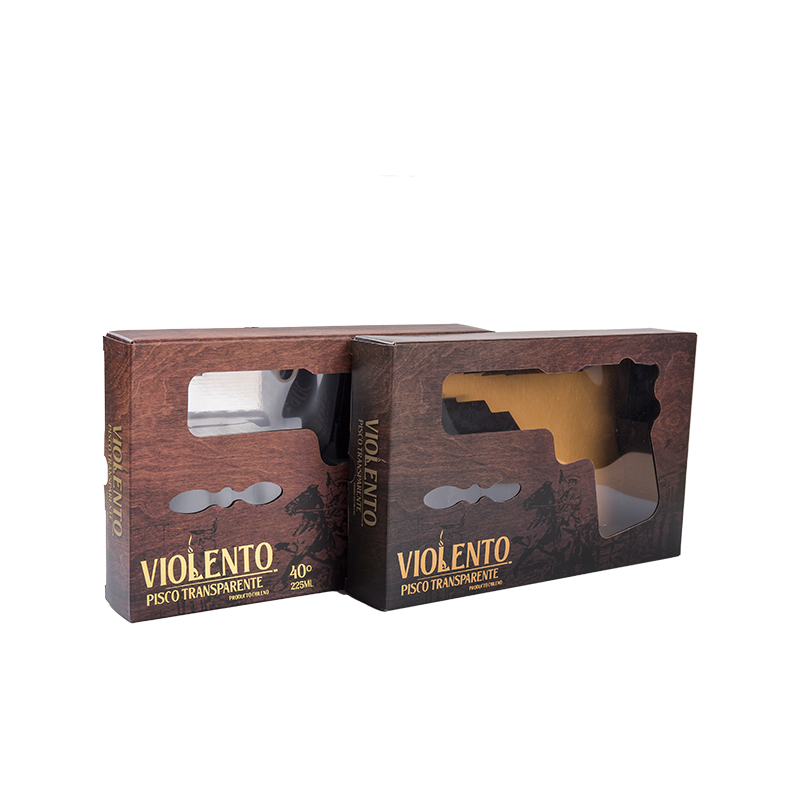
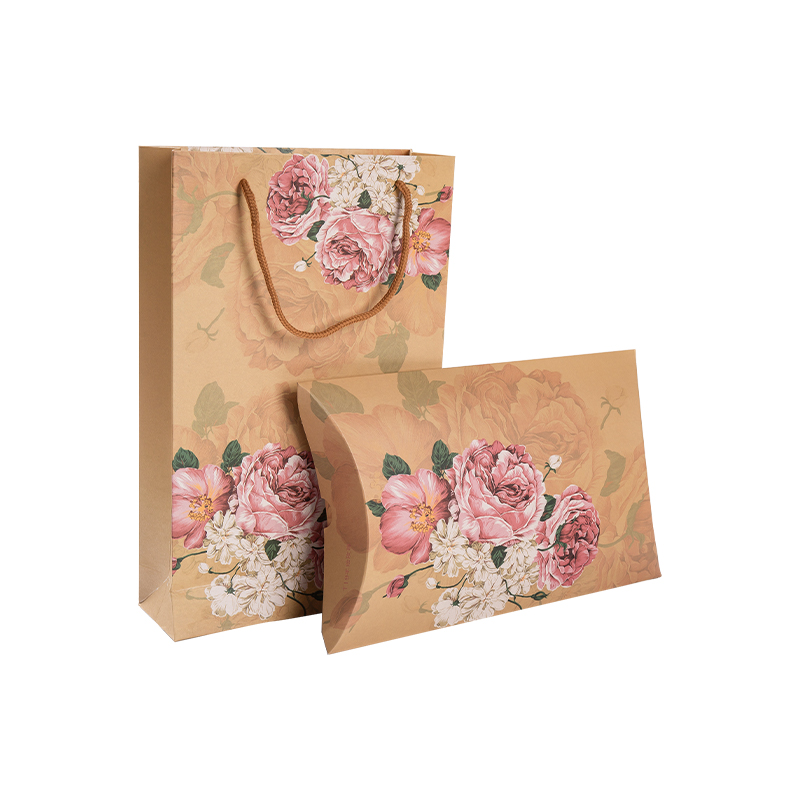
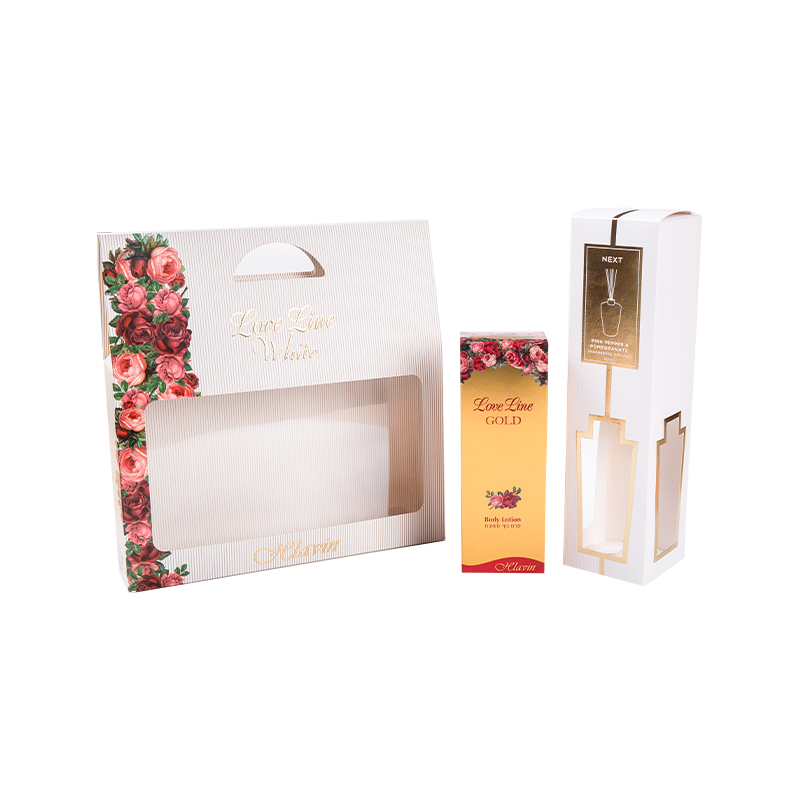
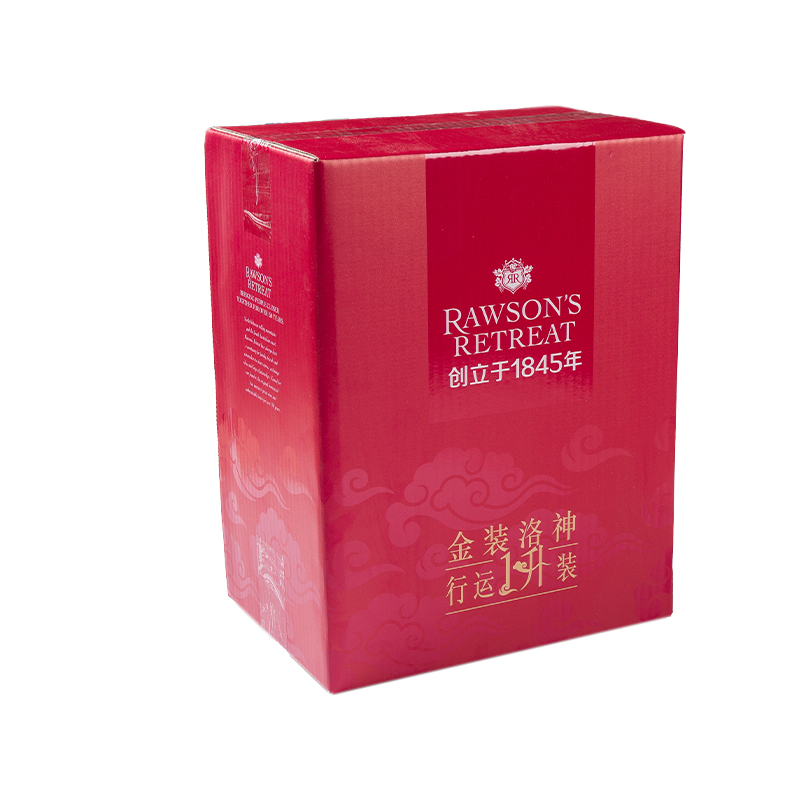
In the modern viticulture industry, the pursuit of environmental stewardship has shifted from the vineyard to the supply chain. As wineries aim for carbon neutrality, the transition to Cardboard Wine Packaging has emerged as a high-impact strategy. Suzhou New Century Color Printing Co., Ltd., a leading enterprise in the Suzhou National High-tech Industrial Development Zone, specializes in advanced corrugated boxes and high-precision color printing. With ISO 14000 environmental management certification and GMI certification, we leverage over two decades of technical expertise to help wineries optimize their logistics. This guide explores the technical mechanisms through which Cardboard Wine Packaging minimizes the environmental impact across the product lifecycle.
1. Logistics Efficiency and Weight-to-Strength Ratio
One of the primary drivers of carbon emissions in the wine industry is transportation. Traditional glass and heavy secondary packaging contribute significantly to the gross vehicle weight (GVW). By comparing cardboard wine packaging vs wooden crates, it becomes evident that corrugated solutions offer a superior weight-to-strength ratio. Utilizing custom cardboard wine boxes for bulk shipping allows wineries to maximize pallet density and reduce the number of transport trips required. Furthermore, the benefits of lightweight corrugated wine packaging include a drastic reduction in fuel consumption during maritime and road transit, particularly for exports via Zhangjiagang or Shanghai ports.
Transportation Impact Analysis
- Load Optimization: Cardboard allows for tighter nesting and interlocking designs compared to rigid materials.
- Deadweight Reduction: Switching to heavy-duty cardboard wine carriers can reduce packaging weight by up to 60% compared to traditional wood.
| Packaging Type |
Relative Weight |
Space Utilization |
Carbon Emission Level |
| Traditional Wooden Crates |
High (2.5kg+) |
Fixed / Rigid |
High |
| Solid Fiberboard |
Medium (1.2kg) |
Moderate |
Medium |
| Corrugated Wine Shipping Boxes |
Low (0.4kg - 0.8kg) |
Optimized (Collapsible) |
Low |
2. Circular Economy and Material Sourcing
The lifecycle of Cardboard Wine Packaging is rooted in the principles of the circular economy. Unlike plastic-based alternatives, high-quality cardboard is biodegradable and has a well-established recycling infrastructure. For wineries asking why use eco-friendly cardboard wine packaging, the answer lies in the sequestration of carbon within the paper fibers. At Suzhou New Century Color Printing, we focus on recycled cardboard wine gift boxes that utilize post-consumer waste without compromising structural integrity. Advanced engineering allows us to produce biodegradable cardboard wine inserts that replace petroleum-based foams, ensuring that 100% of the packaging can be reprocessed by the end-user.
Sustainability Benchmarks
- FSC Compliance: Ensuring raw materials are sourced from responsibly managed forests.
- Closed-loop Recycling: Cardboard fibers can be recycled multiple times, significantly lowering the "cradle-to-grave" carbon score.
| Metric |
Plastic-Based Inserts |
Sustainable Cardboard Wine Packaging |
| Biodegradability |
None (Centuries) |
High (Months) |
| Recycling Rate |
Low / Complex |
Extremely High (>85%) |
| Energy Consumed in Production |
High (Petrochemical) |
Lower (Mechanical/Chemical Pulp) |
3. Advanced Eco-Friendly Printing and Finishing
Carbon footprint reduction also involves the chemical footprint of branding. Traditional solvent-based inks release Volatile Organic Compounds (VOCs) that contribute to atmospheric pollution. Custom printed cardboard wine cartons manufactured at our Suzhou facility utilize soy-based or water-based inks. This technology ensures that branded cardboard wine packaging for wineries remains aesthetically premium while adhering to the ISO 9000 quality management system. Furthermore, how to design luxury cardboard wine packaging today involves using soy-based inks and aqueous coatings that do not interfere with the de-inking process during recycling, a critical factor for long-term sustainability.
Technical Finishing Sequence
- Substrate Selection: Choosing high-GSM linerboard for durability.
- Ink Application: Utilizing low-VOC inks via our advanced printing equipment.
- Structural Engineering: Designing foldable cardboard wine packaging designs that save space during storage and assembly, further reducing warehouse energy use.
Conclusion: A Greener Future for the Wine Industry
The transition to Cardboard Wine Packaging represents more than a trend; it is a technical evolution that addresses the core challenges of modern logistics and environmental responsibility. By optimizing weight, embracing circular materials, and utilizing green printing technologies, wineries can significantly lower their carbon footprints. Suzhou New Century Color Printing Co., Ltd. remains committed to "keeping promises" and "continuous improvement," ensuring that our global customers receive sustainable, high-quality packaging solutions that protect both their product and the planet.
Frequently Asked Questions (FAQ)
1. Is Cardboard Wine Packaging strong enough for international shipping?
Yes. By using heavy-duty cardboard wine carriers with double-wall corrugated structures, the packaging can withstand the vertical compression loads and impacts typical of long-distance export routes.
2. Why use eco-friendly cardboard wine packaging instead of plastic?
Cardboard offers better breathability, is fully biodegradable, and carries a much lower carbon debt during production. It also aligns better with the premium, natural branding of wine products.
3. Can recycled cardboard wine gift boxes maintain high-quality color printing?
Absolutely. With advanced GMI-certified printing processes and premium top-liners, recycled cardboard achieves vibrant color reproduction that is indistinguishable from virgin paperboard.
4. How to design luxury cardboard wine packaging that is also sustainable?
Focus on structural elegance, use water-based coatings instead of plastic lamination, and incorporate biodegradable cardboard wine inserts for a premium, eco-conscious unboxing experience.
5. What are the space-saving benefits of foldable cardboard wine packaging designs?
Foldable designs arrive flat, requiring up to 80% less warehouse space than pre-assembled boxes. This reduces the energy needed for climate-controlled storage and lowers the carbon cost of incoming logistics.
Industry References
- International Organization for Standardization. ISO 14044: Environmental management — Life cycle assessment.
- Jiangsu Printing Industry Association. Technical Standards for Sustainable Corrugated Manufacturing.
- Global Packaging Project (GPP). Carbon Footprint Metrics for Fiber-Based Materials.
- Suzhou New Century Color Printing Internal R&D: "Comparative Lifecycle Analysis of Wine Cartons" (2025).









 Français
 Español
 عربى
عربى