
Article Directory
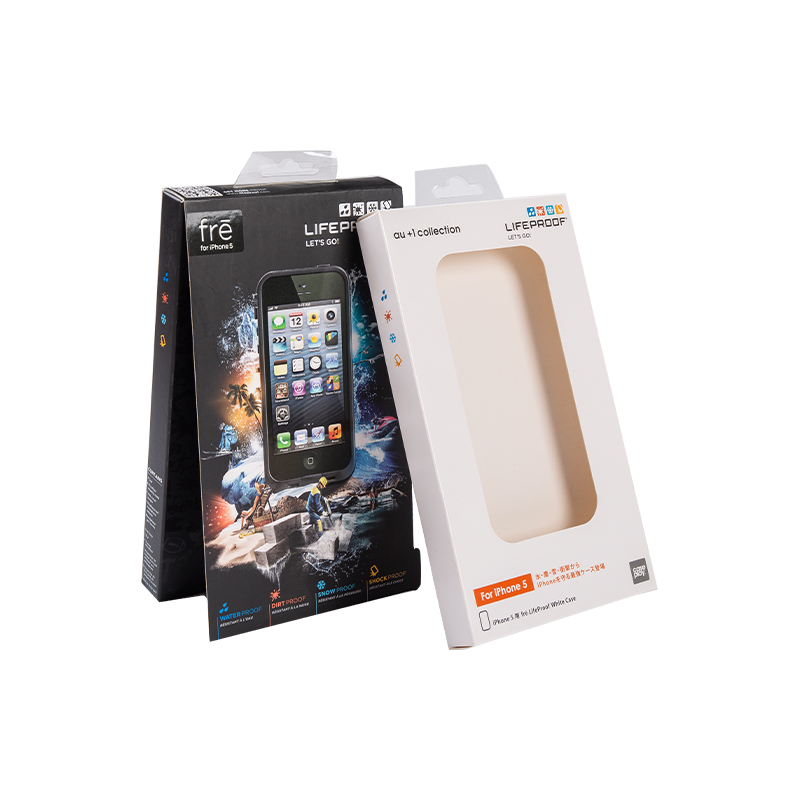
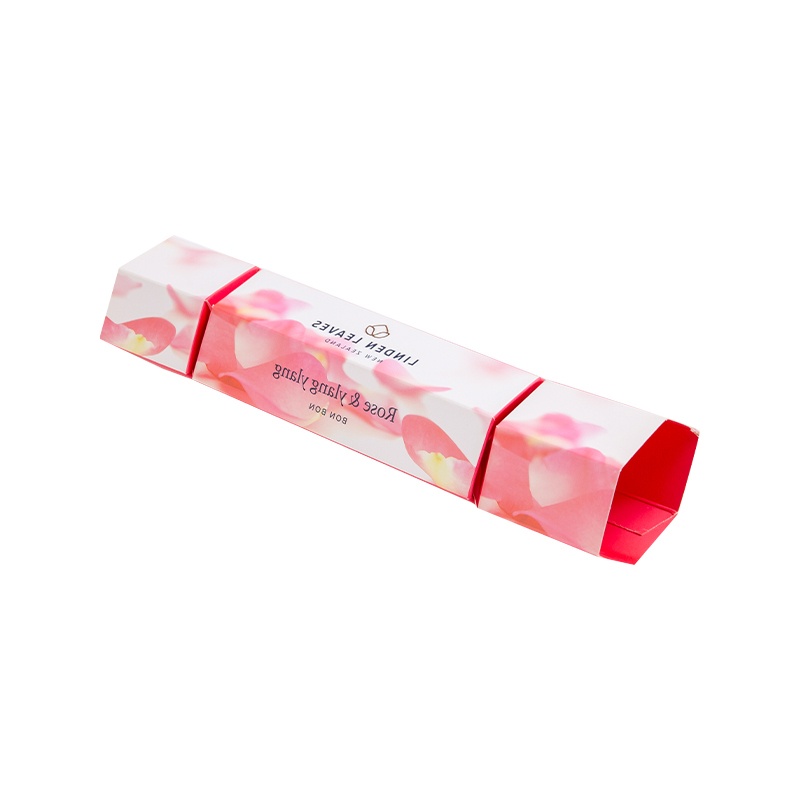
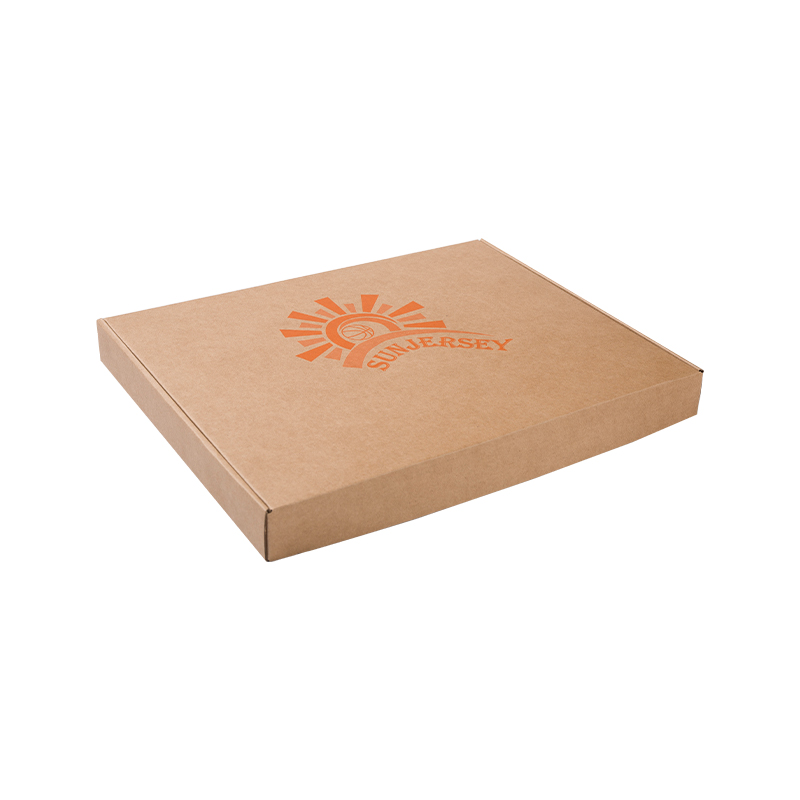
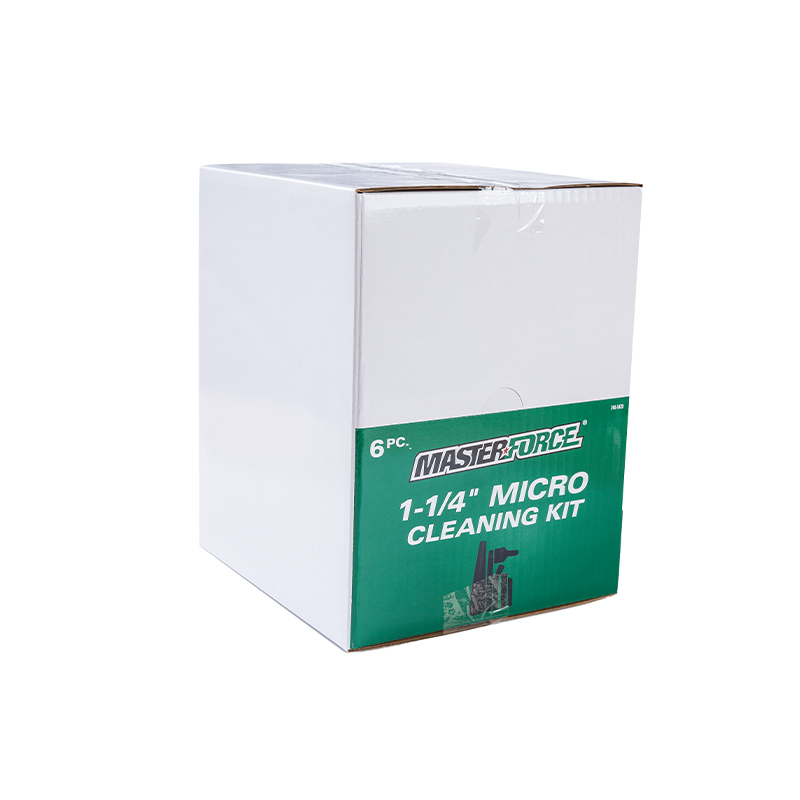
In the modern supply chain, the role of packaging has evolved from simple containment to a dual-purpose tool for logistics protection and brand communication. A Printed Paper Carton for Daily Use must withstand the rigors of palletization, vibration, and stacking while transitioning seamlessly into an attractive, high-visibility retail unit. Suzhou New Century Color Printing Co., Ltd., a governing unit of the Jiangsu Printing Industry Association with over 230 employees and assets exceeding 92 million yuan, has spent over two decades engineering these "Retail-Ready" solutions. By integrating GMI-certified printing quality with advanced corrugated board structures, we ensure that Printed Paper Carton for Daily Use designs fulfill the stringent requirements of the global market. This article provides a deep dive into the engineering features that balance structural integrity with shelf-side convenience.
The primary structural feature for shipping durability is the choice of flute profile. For a custom corrugated box for daily necessities, engineers must calculate the Edge Crush Test (ECT) value to ensure the carton can support the weight of stacked units in a warehouse. While a single-wall C-flute provides excellent cushioning, a B-flute or E-flute is often preferred for printed paper carton for retail display because it offers a smoother surface for high-resolution graphics. When comparing B-flute vs E-flute for daily use cartons, the B-flute offers better vertical strength, whereas the E-flute provides a tighter surface for detailed print but lower stacking capacity. To optimize how to improve corrugated box stacking strength, vertical grain alignment of the fibers is non-negotiable, particularly when dealing with heavy duty paper cartons for shipping.
| Flute Type | Compression Strength (Vertical) | Print Surface Quality |
| B-Flute (2.5mm - 3.0mm) | High (Great for shipping) | Moderate |
| E-Flute (1.1mm - 1.5mm) | Moderate | Excellent (Retail-ready) |
| Double Wall (BC-Flute) | Superior (Heavy industrial) | Low (Prone to washboarding) |
Retail-Ready Packaging (RRP) is the pinnacle of functional design for a Printed Paper Carton for Daily Use. This involves integrating precision-engineered perforations that allow a retailer to convert a shipping carton into a display tray in seconds. The benefits of shelf-ready packaging for daily use include reduced labor costs and improved brand consistency on the shelf. However, adding perforations can weaken the box. Engineers use "tear tape" or specific perforation patterns for durable paper cartons that maintain a high "Box Compression Test" (BCT) during transit but break clean upon arrival. Understanding what is the best paperboard for daily use cartons involves balancing virgin fiber for strength and recycled fiber for cost-efficiency, ensuring the sustainable printed paper packaging for retail movement is upheld without compromising structural safety.
| Feature | Shipping Benefit | Display Benefit |
| Reinforced Corners | Prevents pallet "lean" | Maintains crisp vertical lines |
| Tear-Off Tops | Secures product completely | Instant access for consumers |
| Friction-Lock Flaps | Eliminates need for excess tape | Clean aesthetic on the shelf |
A Printed Paper Carton for Daily Use must serve as a "silent salesman." At Suzhou New Century, our ISO9000 and GMI certifications ensure that the color reproduction is consistent from the first unit to the last. Utilizing high quality offset printing for paper cartons allows for intricate detail that flexographic methods cannot match. One must ask: is matte or glossy finish better for retail cartons? Matte finishes reduce glare under harsh supermarket LEDs, while gloss finishes highlight vibrant colors. For global shipping, we recommend scuff resistant printing for paper cartons to prevent the graphics from rubbing off during the vibration cycles of sea or rail transport. This ensures the Printed Paper Carton for Daily Use arrives looking as professional as it did when it left our Suzhou facility.
Creating a Printed Paper Carton for Daily Use that succeeds in both shipping and retail display requires a meticulous balance of corrugation physics, perforation engineering, and advanced printing technology. By choosing a partner like Suzhou New Century Color Printing Co., Ltd., with our reasonable factory layout and 26,000 square meters of production space, brands can ensure their packaging is a strategic asset. Our commitment to "keeping promises" and "eternal customer satisfaction" runs through every fiber of our high-quality customers' packaging solutions.
The choice depends on the weight of the product and the required print quality. B-flute is the industry standard for durability, while E-flute is preferred for high-end retail appearance.
Yes. By using high-performance liners and optimized corrugated box internal dividers, we can achieve high strength even with recycled fiber content.
ECT (Edge Crush Test) measures the material's strength, while BCT (Box Compression Test) measures the finished carton's ability to resist vertical pressure. Both are critical for heavy duty paper cartons for shipping.
Ensuring correct grain direction, using humidity-resistant adhesives, and incorporating internal support structures are the most effective ways to maintain strength in a Printed Paper Carton for Daily Use.
Gloss is excellent for making colors pop in home textile packaging, whereas matte is often used for daily use items to provide a sophisticated, premium feel and better readability under retail lighting.
Printed PP retail product packaging boxes are a high-quality... View More
Printed Colorful Candy Packaging Carton Box is a high-qualit... View More
Customizable Shapes Corrugated Paper Display Boxes & Car... View More
Tear-off Display Carton is a paper box with a special design... View More
No. 88, Zhiying Street, High-tech Zone, Suzhou City, Jiangsu Province, China.
+(86)-512-6575-0991
+(86)-13776090470

Copyright © SuZhou New Century Color Printing Co., Ltd. Custom Printed Colored Corrugated Boxes





 Français
 Español
 عربى
عربى