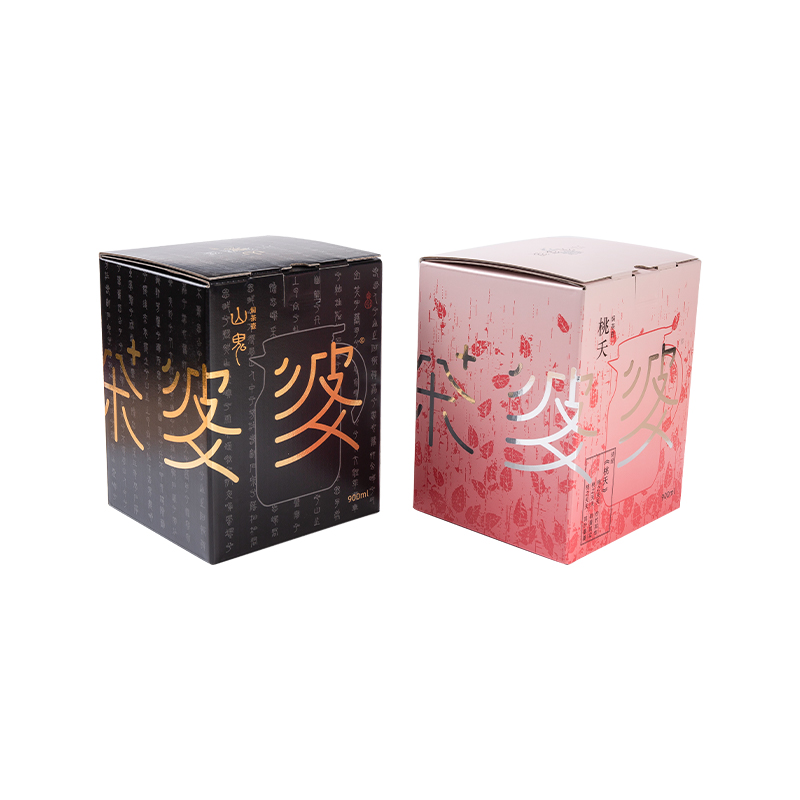
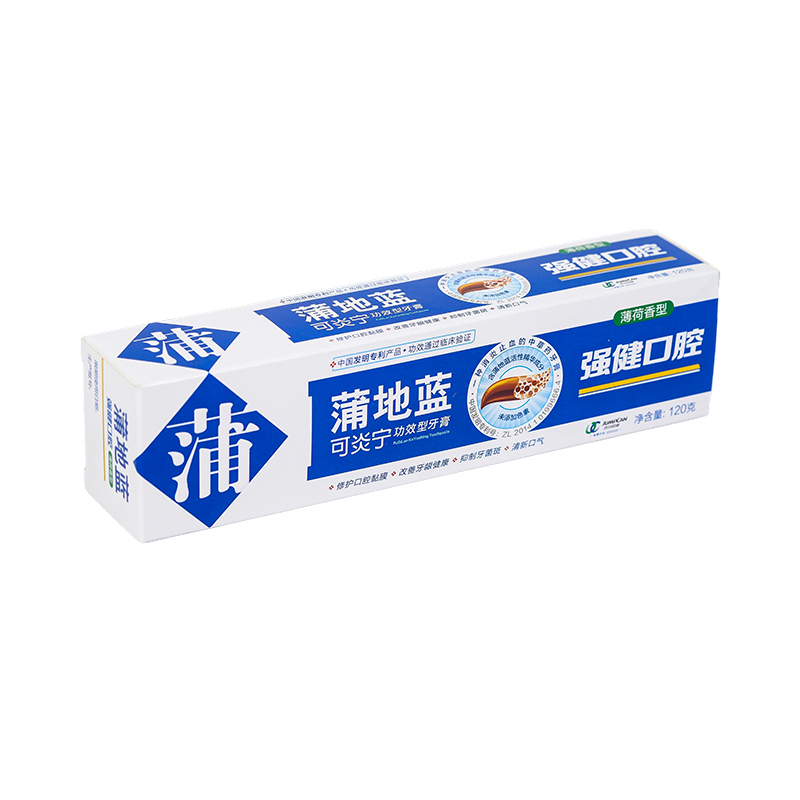
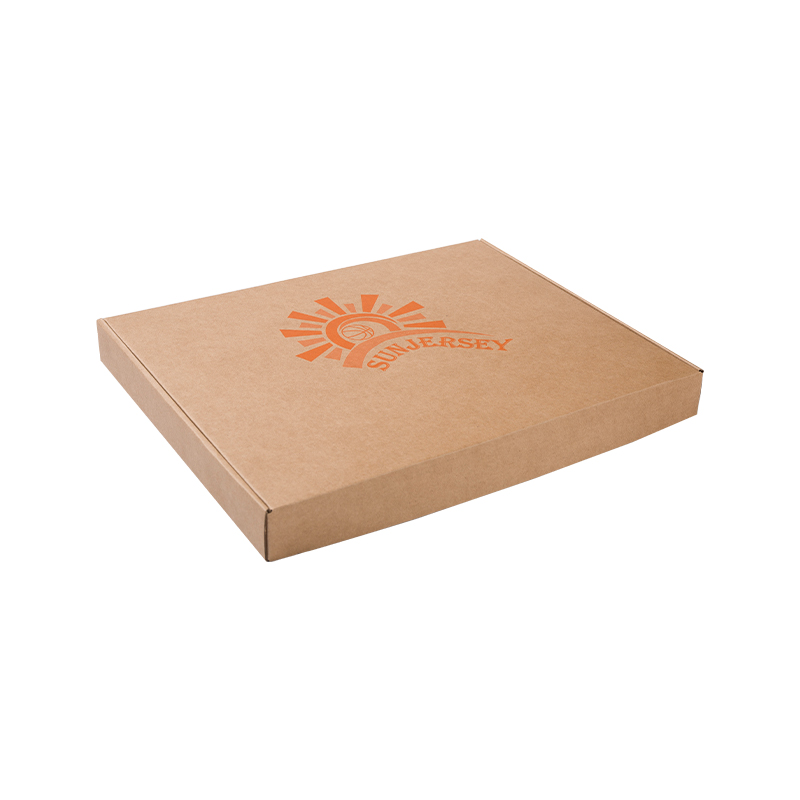
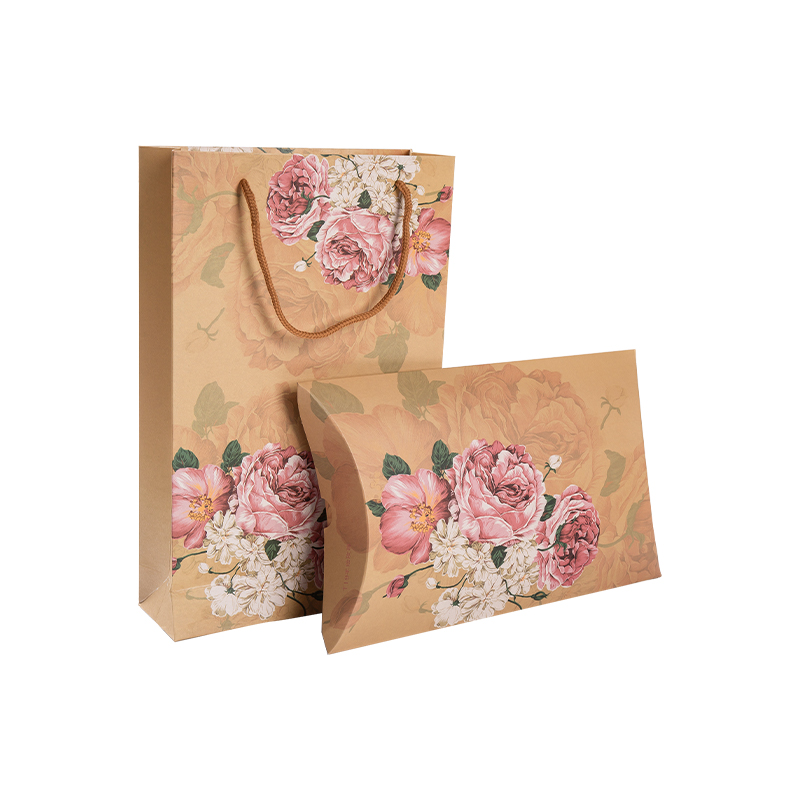
Choosing the right daily necessities packaging carton boxes directly affects shelf appeal, shipping integrity, and total landed cost. This guide covers everything procurement managers and brand owners need to know — from structural format and sustainable materials to print specifications and minimum order thresholds — in one consolidated reference.
78% B2B buyers prioritise recyclable cartons
34% Rise in corrugated box usage since 2021
82% Consumers pay more for sustainable packaging
6.1% CAGR green packaging market 2020-2028
Corrugated vs Folding Carton Boxes: Choosing the Right Structure
The single most consequential decision in carton packaging is structural format. Corrugated boxes use a fluted sheet sandwiched between two linerboards, making them the standard for shipping and heavy-load stacking. Folding cartons are single-layer paperboard — lighter, print-receptive, and built for retail display. Neither is universally superior; each solves a different problem.
Corrugated Carton
- Double-wall BC flute supports stacking above 500 kg
- ECT-rated for pallet distribution and warehouse density
- Suitable for liquid detergents, heavy home textiles, bulk goods
- Can be reopened and resealed multiple times
- Supports foam inserts and corrugated dividers
- AQ or varnish coating available for artwork protection
Folding Carton
- Single paperboard layer, lighter and thinner than corrugated
- Optimal smooth surface for high-resolution offset printing
- Ideal for soap, sponges, personal care, and small retail items
- Delivered flat to minimise storage and shipping cost
- Supports embossing, foil stamping, spot UV, and die cuts
- MOQ starts from 100 units — accessible for small brands
For daily necessities spanning both heavy and lightweight SKUs, many brands run parallel specifications: corrugated for outbound shipping cartons, folding for inner retail-facing units. This dual-format approach keeps freight costs controlled while maintaining brand presentation at point of sale.
Eco Friendly Carton Materials: What to Specify and Why It Matters
Sustainable carton materials are no longer optional in most regulated markets. The EU Single-Use Plastics Directive has driven a measurable shift toward paper-based alternatives, and 82% of global consumers indicate willingness to pay a premium for environmentally responsible packaging.
Definition
Eco-friendly carton packaging uses recyclable, compostable, or post-consumer recycled (PCR) paperboard — certified under FSC, SFI, or equivalent schemes — to reduce virgin fiber demand and support circular material flows.
| Material |
Recycled Content |
Best Application |
Certification |
| Recycled Paperboard (PCR) |
100% post-consumer |
Standard retail cartons |
FSC Recycled |
| Kraft Paperboard |
Varies (unbleached) |
Eco-brand retail, food-adjacent |
FSC Mix / SFI |
| SBS (Solid Bleached Sulfate) |
Virgin fiber |
Premium cosmetic, pharma |
FSC Pure |
| Sugarcane Bagasse Board |
Agricultural residue |
Food-contact, compostable lines |
BPI / DIN CERTCO |
In Europe, 60% of folding boxes are already produced from recycled cardboard. For daily necessities brands targeting EU or UK retail channels, specifying FSC-certified board is effectively a baseline requirement, not a differentiator.
Carton Box Printing Options for Branding and Retail Impact
Print method determines not just appearance but cost per unit, minimum run size, and turnaround speed. Matching the right process to your volume and finish requirements prevents both budget overruns and quality compromises.
- Offset Lithography The standard for high-volume folding carton production. Delivers sharp CMYK output with vibrant color consistency across long runs. Typical economic threshold starts at 5,000 to 10,000 units per SKU. Compatible with clay-coated SBS and recycled paperboard. Add-ons include gloss or matte aqueous coating, spot UV, and embossing.
- Digital Printing No printing plates required, making short runs from 100 to 2,000 units economically viable. Ideal for new product launches, seasonal variants, or regional market tests. Slightly lower color gamut than offset but closing fast with modern HP Indigo and inkjet presses. Eliminates make-ready waste, supporting sustainability goals.
- Flexographic Printing Dominant process for corrugated shipping cartons due to its compatibility with uncoated kraft surfaces. Lower capital cost than offset for large corrugated runs. Best suited for two-to-four color jobs — complex photographic imagery requires offset or digital instead.
- Special Finish Add-Ons Foil stamping, embossing, debossing, and spot UV are applied post-print as finishing operations. Pantone color matching requires separate ink mixing versus CMYK process printing and typically increases MOQ. Window die-cuts are cut and applied at the finishing stage and add 15 to 25% to unit cost depending on complexity.
Custom Carton Box Minimum Order: What to Expect by Format
Minimum order quantities for daily necessities packaging carton boxes vary significantly by production method, board grade, and customisation level. Understanding these thresholds upfront prevents specification mismatches that delay production.
MOQ Reference Guide
Digital Folding Carton 100 units CMYK only, no Pantone
Offset Folding Carton 1,000 - 5,000 units Full finish options available
Corrugated Shipping Box 500 units Standard flexo print
FSC-Certified Board 300 units minimum Certificate copy provided
For brands with multiple SKUs, consolidating orders under a single production run — even with slightly different print files — typically unlocks lower per-unit costs than treating each SKU as an independent order. Discuss gang-run options with your supplier at the inquiry stage.
Frequently Asked Questions
What board grade should I use for heavy liquid detergent packaging?
Double-wall corrugated fiberboard with BC flute is the standard recommendation. It delivers stacking strength above 500 kg and moisture resistance adequate for detergent and cleaning product logistics. Specify an Edge Crush Test (ECT) value appropriate for your pallet load height to prevent bottom-layer collapse in warehousing.
Can folding cartons be certified as eco-friendly for EU retail markets?
Yes. Specify FSC-certified recycled paperboard or FSC Mix board and request the chain-of-custody certificate from your supplier. For food-adjacent daily necessities, confirm that inks and coatings comply with EU Regulation 10/2011 on plastic materials in food contact, which applies to some barrier coatings used on packaging.
What is the lead time for custom-printed carton boxes?
Standard offset-printed folding cartons run 15 to 20 business days after artwork approval. Digital print runs can ship in 7 to 10 business days. Corrugated boxes with full-color flexo print typically require 15 to 20 business days. Factor in 5 to 7 days for physical sample approval before committing to full production.
Is it possible to order different box sizes under one minimum order?
MOQ typically applies per unique box specification — meaning each distinct size and design counts as a separate order. However, suppliers running digital print can batch multiple designs in a single production pass, effectively letting you reach MOQ across SKUs rather than per individual box, which is a significant advantage for product families with many variants.









 Français
 Español
 عربى
عربى