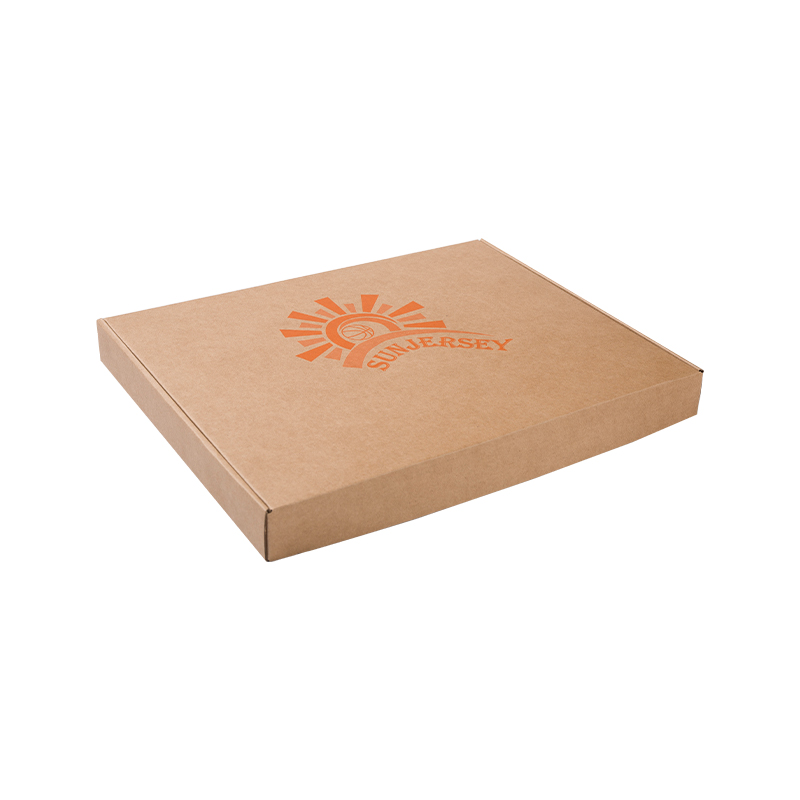
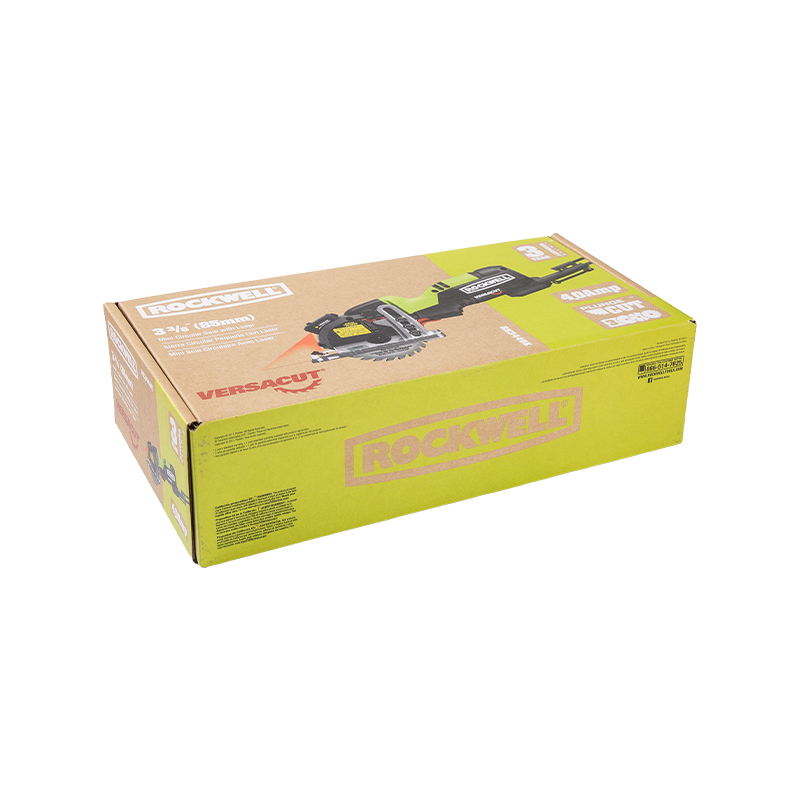
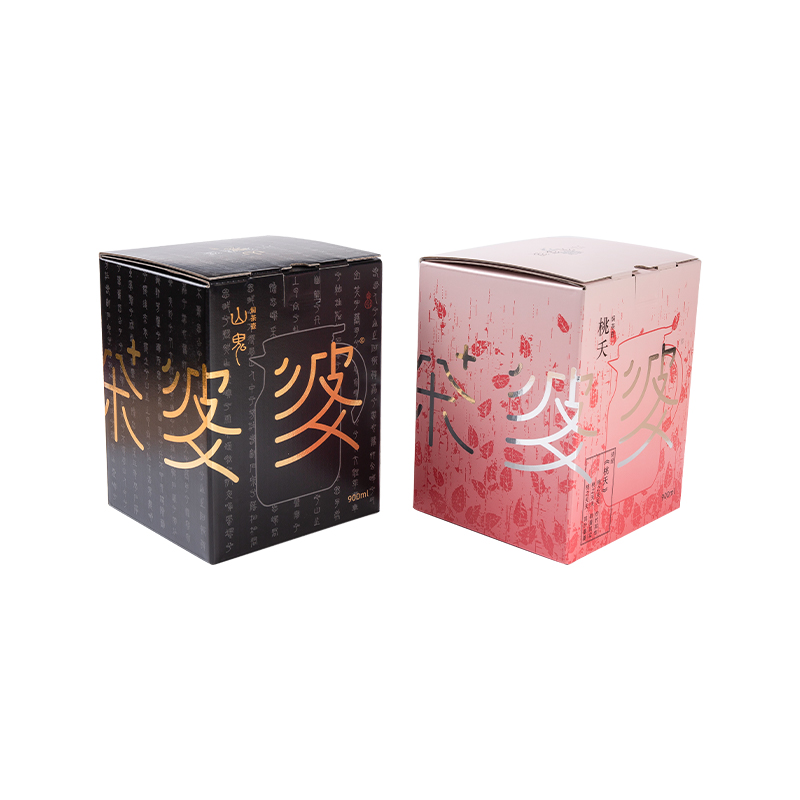
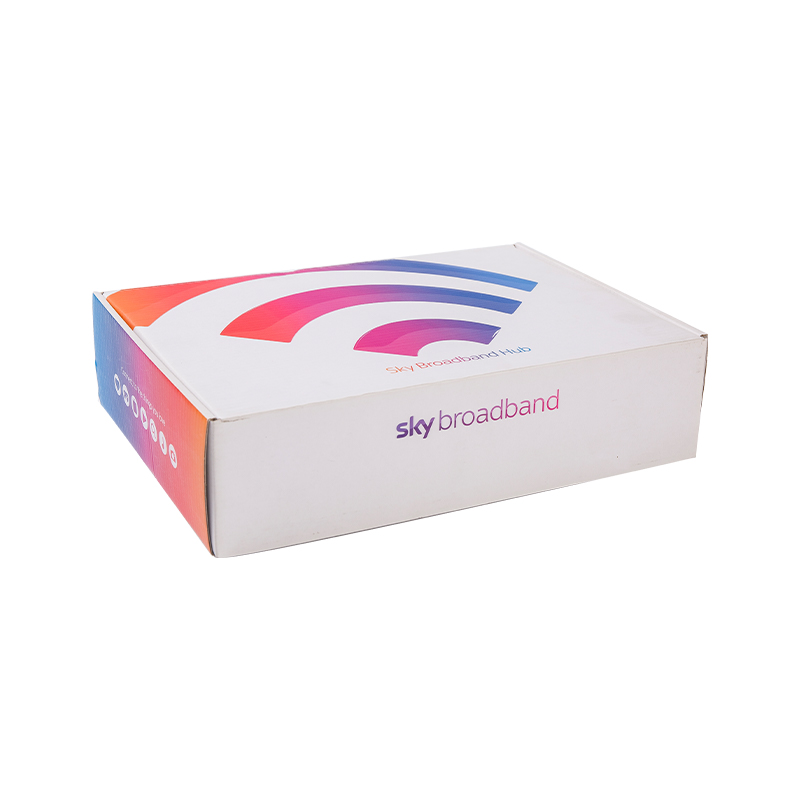
Aromatherapy essential oil packaging boxes do more than contain a product — they protect a fragile glass vessel, communicate brand identity at the point of sale, and survive a logistics chain that subjects parcels to drops, compression, and humidity cycles. The global essential oil market is projected to exceed $14 billion by 2026, and in a sector where unboxing experience and shelf presence drive repeat purchase, packaging specification is a direct revenue variable.
11%
Of e-commerce essential oil shipments arrive damaged without protective insert packaging
$14B
Global essential oil market size projected by 2026
40%
Purchase decisions influenced by packaging design at point of sale
72hr
Maximum humidity exposure corrugated inserts can sustain before structural loss
Which Packaging Protects Essential Oils Best?
Essential oil bottles combine three fragility risk factors simultaneously: they are glass, they contain high-value liquid, and they carry a volatile aromatic compound that contaminates adjacent products if the seal fails. The packaging system must address impact, compression, and chemical compatibility in a single solution.
Best Protection
Rigid Board Box with Moulded Pulp Insert
A 2mm–3mm greyboard outer shell combined with a custom-moulded pulp tray suspends each bottle in an individual cavity, eliminating bottle-to-bottle contact and absorbing drop impacts of up to 1.2 metres — the standard single-parcel drop height in courier networks. The pulp insert is moisture-wicking, biodegradable, and compatible with all glass bottle diameters from 5 ml to 100 ml. This is the specification used by premium aromatherapy brands retailing above $40 per unit.
Strong Protection
Corrugated Mailer with Die-Cut Foam Insert
Single-wall B-flute corrugated outer with a custom die-cut EVA or polyethylene foam insert. Impact resistance is strong — foam absorbs and distributes shock forces — but foam is not biodegradable, which conflicts with consumer sustainability expectations in the aromatherapy category. Best suited for B2B wholesale shipments where sustainability optics are secondary to cost-per-unit protection.
Standard Protection
Folding Carton with Cardboard Partition
A printed folding carton with internal cardboard dividers separates bottles but does not suspend them. Suitable for retail shelf display and low-velocity logistics — in-store replenishment, click-and-collect, and short-chain direct delivery. Not recommended for international air freight or multi-handling courier routes where parcel drop and side-impact events are frequent.
What Materials Suit Aromatherapy Boxes?
Material selection for aromatherapy packaging must account for three factors that are specific to this product category: chemical off-gassing from the essential oil itself, regulatory requirements for food-adjacent and cosmetic products, and the sensory expectations of the aromatherapy consumer who associates natural materials with product authenticity.
| Material |
GSM / Grade |
Print Quality |
Chemical Resistance |
Sustainability |
Best Use |
| Coated Duplex Board |
250–400 GSM |
Excellent — CMYK + spot |
Good — surface coated |
Recyclable |
Retail folding cartons |
| Solid Bleached Board (SBB) |
300–450 GSM |
Superior — white base |
Very good — clay coated |
FSC certified available |
Premium gifting boxes |
| Kraft Board |
200–350 GSM |
Limited — brown base |
Moderate — uncoated |
Excellent — unbleached |
Eco / natural brand positioning |
| Rigid Greyboard |
1,200–2,400 GSM |
Via laminate wrap |
Excellent — dense core |
Recyclable core |
Luxury rigid set-up boxes |
| Corrugated B-Flute |
Single/double wall |
Moderate — flexo print |
Good — outer liner coated |
High — recycled content |
Shipping and e-commerce |
!
Chemical Compatibility Warning
Certain terpene-rich essential oils — particularly citrus, clove, and cinnamon — will migrate through uncoated kraft or recycled board and degrade the adhesive bond in glued carton seams. All boxes intended for direct essential oil bottle contact must use a clay-coated or UV-varnished inner surface to prevent terpene penetration and seam failure.
How to Design Custom Oil Boxes
Custom aromatherapy packaging design is a five-stage process that runs from structural specification through to print-ready artwork approval. Skipping the structural stage and going directly to graphic design is the most common — and most costly — error in packaging development.
01
Define the Bottle Dimensions and Fill Weights
Measure every bottle variant in your range: diameter at widest point, height including cap, and gross weight when filled. Add 2–3 mm clearance per dimension to allow for label thickness and cap variance. A structural die-line built to exact bottle dimensions prevents the two most common fit failures — bottles that cannot be removed without inverting the box, and bottles that rattle loose during transit.
02
Select the Box Style and Closure Mechanism
Straight-tuck end (STE) cartons are the most cost-efficient structure for retail folding cartons — one die, minimal waste. Reverse-tuck end (RTE) adds a second lock point and is preferred for heavier bottles above 50 ml. For gifting and subscription boxes, a magnetic-closure rigid box projects premium positioning at a cost premium of 3–5x versus a folding carton but increases perceived value by 60–80% in consumer perception studies.
03
Apply Surface Finishes Strategically
Matte laminate is the dominant finish choice in the aromatherapy category — it reads as natural, premium, and tactile. Spot UV varnish over matte laminate creates a visual contrast that draws the eye to key brand elements (logo, product name) without requiring metallic foiling. Soft-touch laminate adds a velvet surface texture that reinforces the sensory brand story of aromatherapy products more than any other single finish decision.
04
Specify Regulatory and Compliance Print Areas
Cosmetic essential oil products require batch code, ingredient list (INCI nomenclature), volume in ml, country of origin, and responsible person details under EU Cosmetics Regulation 1223/2009 and equivalent frameworks. Allocate a minimum panel of 40 mm x 60 mm for compliance text at a minimum 6pt font size — not smaller, as regulatory authorities have issued non-compliance notices for illegible mandatory text on packaging in the aromatherapy sector.
05
Order a Physical Sample Before Production
Request a pre-production sample (PPS) built from the actual production substrate, not a digital mock-up or plain white prototype. Fit-test the PPS with every bottle variant in the range, including the heaviest fill. Check that the tuck flaps close without force and that the surface finish meets the approved colour target under both retail fluorescent and natural daylight conditions — metamerism (colour shift between light sources) is a common failure mode on matte-laminated packaging.
Which Packaging Reduces Shipping Damage?
Shipping damage to essential oil products has two distinct failure modes: mechanical impact during handling, and compression failure under stacking load in transit vehicles and warehouse storage. Effective protective packaging addresses both failure modes independently — solving one without the other still results in damaged stock.
Impact Damage Prevention
- Suspended insert systems
Moulded pulp or die-cut foam inserts that hold the bottle clear of all box walls. The bottle must not contact any rigid surface directly — contact points are where impact energy concentrates and glass fractures.
- Double-wall corrugated outers
For multi-unit shipments, double-wall C/B-flute corrugated cases increase drop resistance by 40% over single-wall equivalents. Specify a minimum edge crush test (ECT) rating of 44 for parcels above 2 kg.
- Void fill for partial loads
A box that is 70% full is more vulnerable to impact than a full box — the bottles shift on impact. Kraft paper crumple fill or air pillow void fill eliminates internal movement in partially filled shipments.
Compression Damage Prevention
- Box compression test (BCT) rating
Specify a minimum BCT of 150 N for retail cartons and 400 N for e-commerce shippers. BCT degrades by up to 50% in humid conditions — if your supply chain passes through tropical or maritime routes, uprate the BCT specification by 30%.
- Column-stacking inserts
Corrugated internal columns or partition dividers transfer vertical stacking load through the insert structure rather than onto the bottles themselves. Required for any shipment where more than three boxes will be stacked.
- Palletisation pattern
For wholesale and retail distribution, a column-stacked pallet pattern (boxes aligned vertically) transfers compression load through the box corners — the strongest structural point. Brick-pattern stacking is stronger for pallet stability but concentrates load over the centre of the box lid, which is the weakest compression point.
Packaging Specification Summary
Retail / Gift
300–400 GSM SBB folding carton, matte laminate + spot UV, moulded pulp insert, magnetic or tuck closure
E-Commerce
Double-wall corrugated outer, die-cut foam or moulded pulp insert, ECT 44 minimum, kraft void fill
Eco Brand
FSC kraft folding carton, water-based print, moulded pulp insert, no laminate — full recyclability messaging
Wholesale B2B
Single-wall corrugated with cardboard partition, plain flexo print, BCT 400 N, column-stack certified









 Français
 Español
 عربى
عربى