
Article Directory
A pallet of glass cosmetic bottles reaches a regional distribution center with crushed bottom corners. Inside, a dozen units show hairline fractures that will only surface after customers open the boxes at home. The print quality was excellent. The artwork was perfectly matched to the brand. But the package structure was never engineered for the journey, and the result was product loss, chargebacks, and a damaged delivery reputation.
Packaging structure is the difference between a box that merely contains a product and a box that protects it. In practical terms, a well-designed structure works through four mechanisms: absorbing impact energy, resisting compression loads, limiting vibration and internal movement, and isolating the product from environmental hazards. When any one of these functions fails, the product pays the price.
Structural packaging design starts with a clear view of the threats a product will face between the production line and the consumer's hands. Each hazard requires a different structural response, and most boxes face several at the same time.
| Threat | Typical damage | Structural defense |
|---|---|---|
| Impact and drop | Crushed corners, cracked or broken contents | Cushioning inserts, edge reinforcement, correct internal clearance |
| Compression and stacking | Collapsed boxes, deformed products | Higher ECT board, double-wall construction, optimized box dimensions |
| Vibration and shifting | Surface abrasion, items colliding in transit | Snug-fitting dividers, locking trays, friction-based inserts |
| Puncture and tearing | Holes and tears from sharp neighboring packages | Double-wall board, thicker flutes, reinforced side panels |
| Moisture and humidity | Weakened board, mold, product degradation | Water-resistant coatings, film lamination, secure sealing |
In e-commerce and retail distribution, impact and compression are the two most common causes of packaging failure. A box dropped from a conveyor, a pallet crushed by an overweight stack above it, a parcel thrown into a delivery van, a customer opening a package that has been waiting in a damp porch; all of these are structural problems long before they become product problems.
Before a single fold is drawn, the board itself must be right. For shipping-level protection, corrugated board is the default because its fluted core creates a cushioning layer that solid card cannot match. The flute acts as a spring: it compresses under load, absorbs impact, and rebounds.
Flute choice directly changes how a structure protects the product:
Beyond flute geometry, two measured values predict protective performance. Edge crush test (ECT) quantifies the vertical compression strength of the board itself, while box compression test (BCT) measures the assembled empty box. The relationship between these values matters more than board weight alone, as our guide to RSC, ECT, HSC, and BCT in corrugated boxes explains in detail.
For products that ship individually, a common strategy is the two-box system: a printed retail carton for presentation and a corrugated shipper for protection. For full-pallet operations, the corrugated carton is the first and last defense, so board grade, flute type, and corrugated container construction must be matched to the stacking height and distribution distance.
Once the board is chosen, the geometry of the finished box does the real work. Three classes of structural elements determine how well a package protects its contents.
Dividers keep individual units separated so they cannot collide with each other under vibration. Trays hold products in a fixed position and stop them from sliding toward the box walls, where impacts concentrate. In fragile goods such as glass bottles or electronic devices, a simple E-flute divider can reduce in-box movement by more than 80% compared with an open void.
Crash-lock bottoms create a solid base without manual folding, which improves both assembly speed and bottom rigidity. Double-wall side panels protect against point loads from neighboring packages. Corner posts, formed by folding the blank itself, transfer stacking force down the corners of the box, where the structure is naturally strongest. A well-designed closure also contributes to protection, and the principles behind designing packaging structures that open and close reliably are directly relevant to reusability and product access.
Excess internal space allows movement, and movement converts ordinary vibration into repeated impact. A structure that fits the product tightly, but not forcefully, performs consistently better in drop and vibration testing. The standard rule is to minimize the cube, protect the corners, and leave enough clearance for the product to settle without loading the panels.
Different products fail in different ways, so the structure has to be tailored to the specific risk profile of each product family.
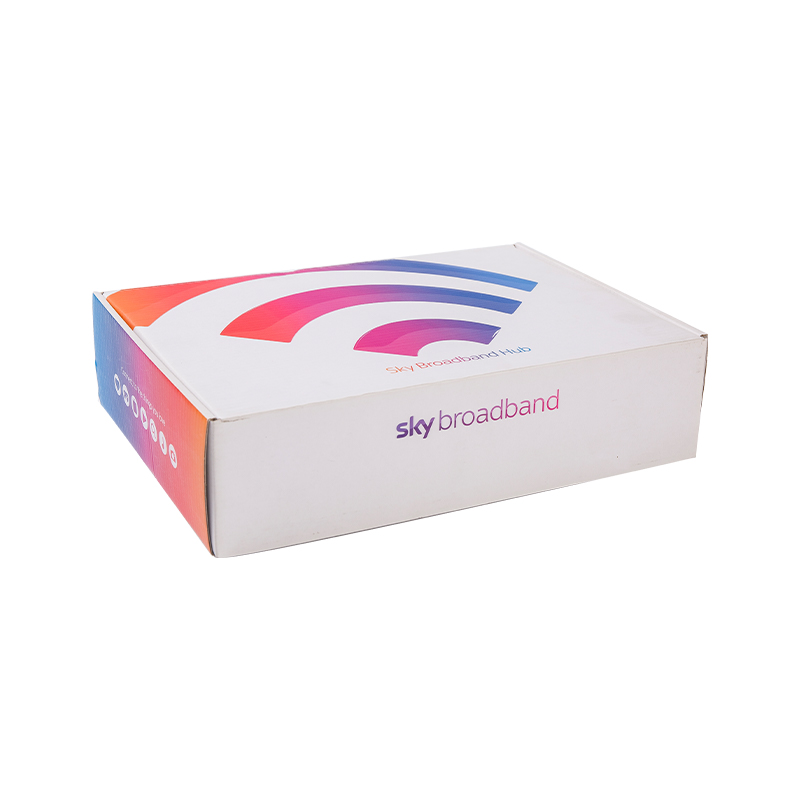
Electronic products combine fragile printed circuit boards, glass screens, and irregular shapes. A device that slides freely inside its box experiences repeated short impacts during sorting and transport. The structural answer is a fixed-fit tray or die-cut insert that locks the device in place and creates a cushioning air gap around it. Our electronic product packaging boxes are built around this principle: the product is held away from the box walls so that impact energy is absorbed by the paper board structure rather than transmitted to the device.
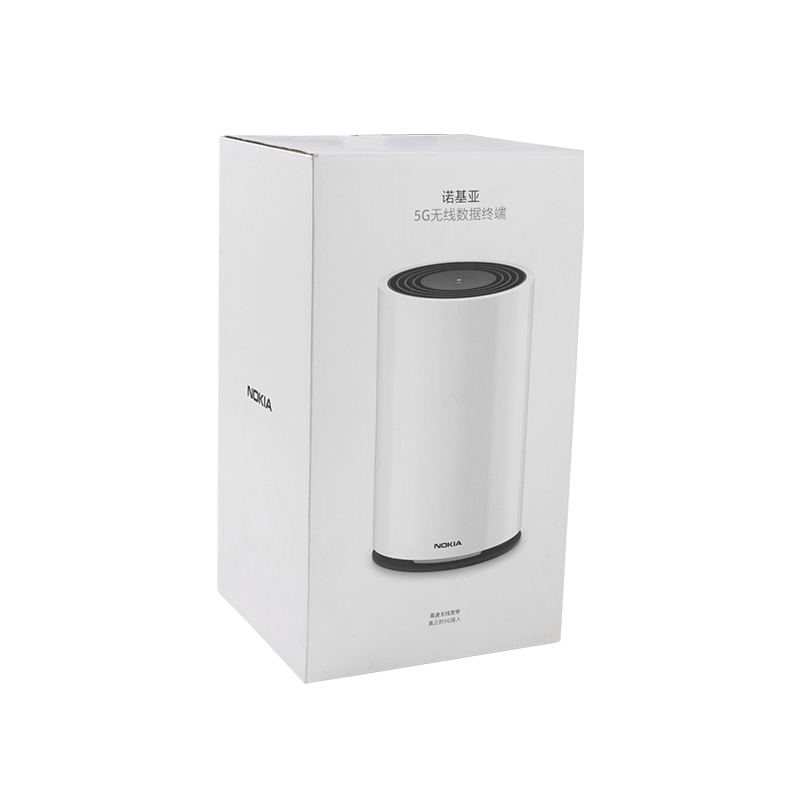 Wholesale Electronic Products Packaging Design Packaging Carton Boxes Packaging SuZhou New Century Is China Wholesale Electronic Products Packaging Design Packaging Carton Boxes Packaging Box Suppliers, Electronic Pro...View Product →
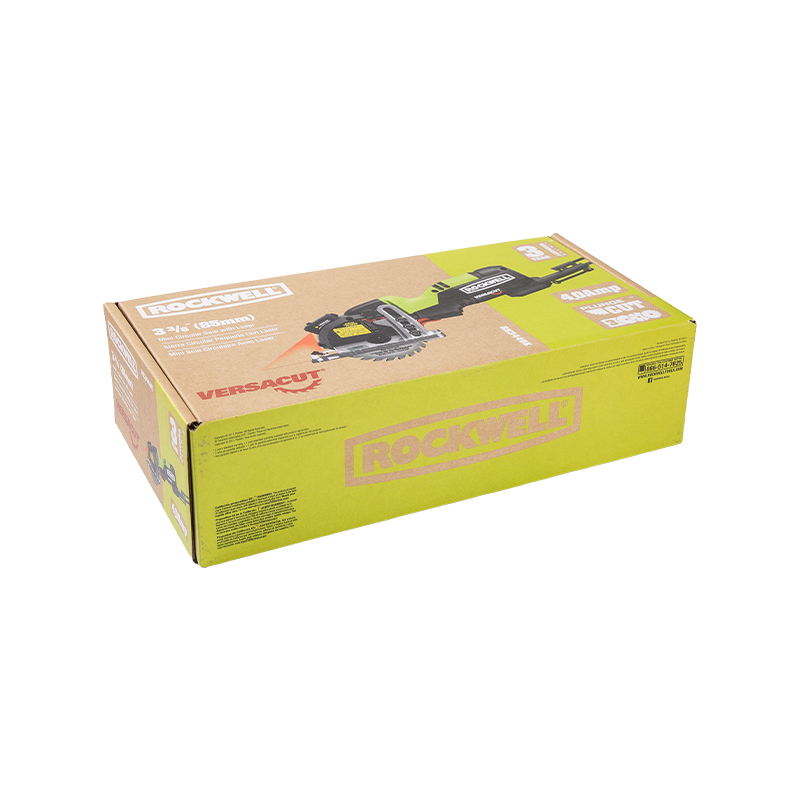
Heavy products introduce a different problem: weight. A drill, a sander, or a small household appliance moving inside a loosely fitted box generates momentum that can tear the box open. The structure must spread the load across the bottom panel, use double-wall or high-ECT board, and lock the product in place so that force cannot concentrate on a single point. Power tool packaging cartons are designed with reinforced bases and fitted inserts because the cost of a damaged tool far exceeds the cost of a stronger box.
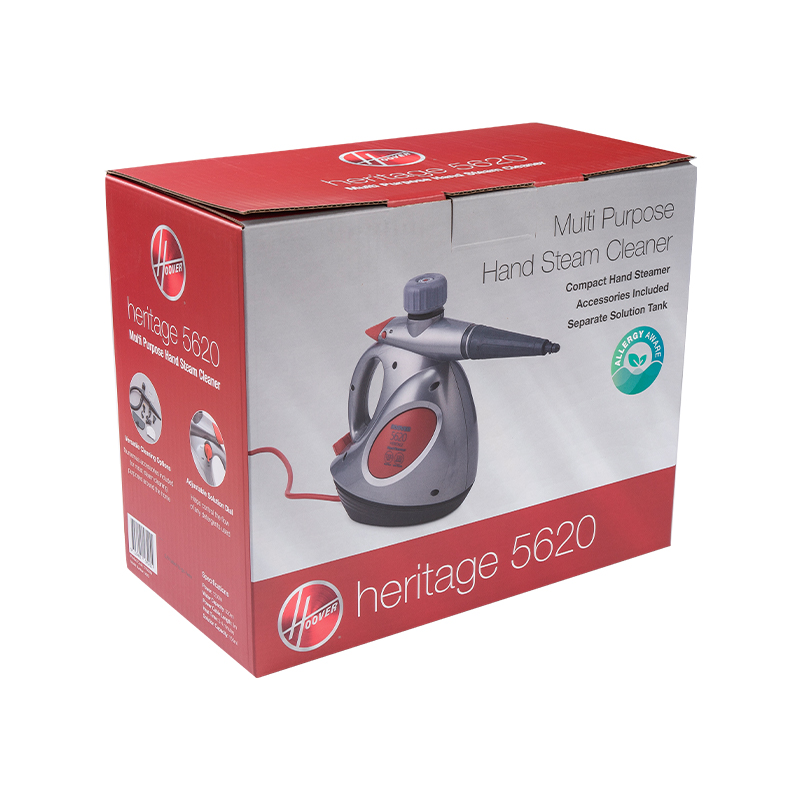 Wholesale Power Tools Corrugated Packaging Packaging Carton Design Packaging BoxSuZhou New Century Is China Wholesale Power Tools Corrugated Packaging Packaging Carton Design Packaging Box Suppliers, Power Tools Corru...View Product →
For palletized shipments, compression becomes the dominant risk. The bottom layer of a pallet can carry the weight of every layer above it, plus the vibration of the truck. The box must transfer that load through its corners and side walls without buckling. For retail and e-commerce parcels, a single offset-printed corrugated carton often has to serve two masters: shipping protection and shelf-ready appearance. That is achievable when the board grade and flute profile are selected for the expected stack height and the printing is designed around the structural constraints of the corrugated surface.
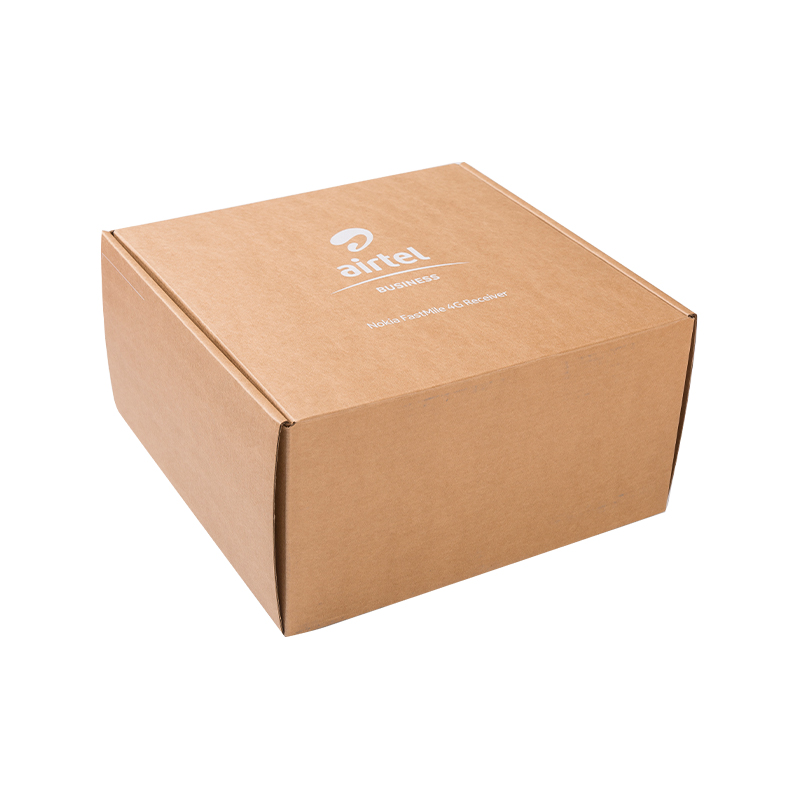 Wholesale Offset Printing Designs Packaging Cartons Packaging Boxes Folding PackSuZhou New Century Is China Wholesale Offset Printing Designs Packaging Cartons Packaging Boxes Folding Packaging Carton Packaging Suppli...View Product →
Structural protection follows a cost curve. Under-packaging produces damage claims; over-packaging produces material waste and unnecessary freight weight. The most efficient structures are right-sized: the smallest cube that holds the product with adequate clearance, made from the lightest board that passes its compression and drop requirements.
Modern printing and converting technology has narrowed the gap between strength and appearance. High-quality multi-color printing on corrugated board, UV coating, and precision die-cutting allow a shipping box to double as the retail package, removing the extra layer of an outer carton. This reduces material use while preserving structural protection, which is why combination structures continue to replace the old two-box approach in many consumer goods categories.
Paper calculations alone are not enough. A packaging structure must be tested under conditions close to the real distribution chain. The standard verification sequence includes:
Structures that pass these checks protect the product across real distribution chains. Structures that do not should be revised before they reach production, not after a claim arrives.
When packaging structure is designed correctly, the product arrives intact, the retailer accepts the shipment without deduction, and the consumer opens a box that still looks the way the brand intended. That is the quiet job of structural packaging: protection that is never noticed because it never fails. And for manufacturers evaluating a packaging partner, the right question is not merely how a box looks on a shelf, but how it behaves on the way there.
Electronic Products Packaging Design Carton Boxes Packaging ... View More
Our custom designed home appliance packaging cartons provide... View More
Adult product packaging boxes are designed to meet a variety... View More
Offset Printing Designs Cartons Packaging Boxes Folding Cart... View More
No. 88, Zhiying Street, High-tech Zone, Suzhou City, Jiangsu Province, China.
+(86)-512-6575-0991
+(86)-13776090470

Copyright © SuZhou New Century Color Printing Co., Ltd. Custom Printed Colored Corrugated Boxes





 Français
 Español
 عربى
عربى