
Article Directory
In the fast-paced retail environment, PDQ Display Boxes (Pretty Darn Quick) are vital for last-mile marketing. Beyond aesthetic appeal, the primary technical consideration for packaging engineers and B2B buyers is structural integrity. The display must resist collapse under the maximum weight of the product and maintain its form when stacked or handled. Achieving optimal stability relies on advanced design in the base and side walls, directly impacting the Load bearing capacity of PDQ base designs.
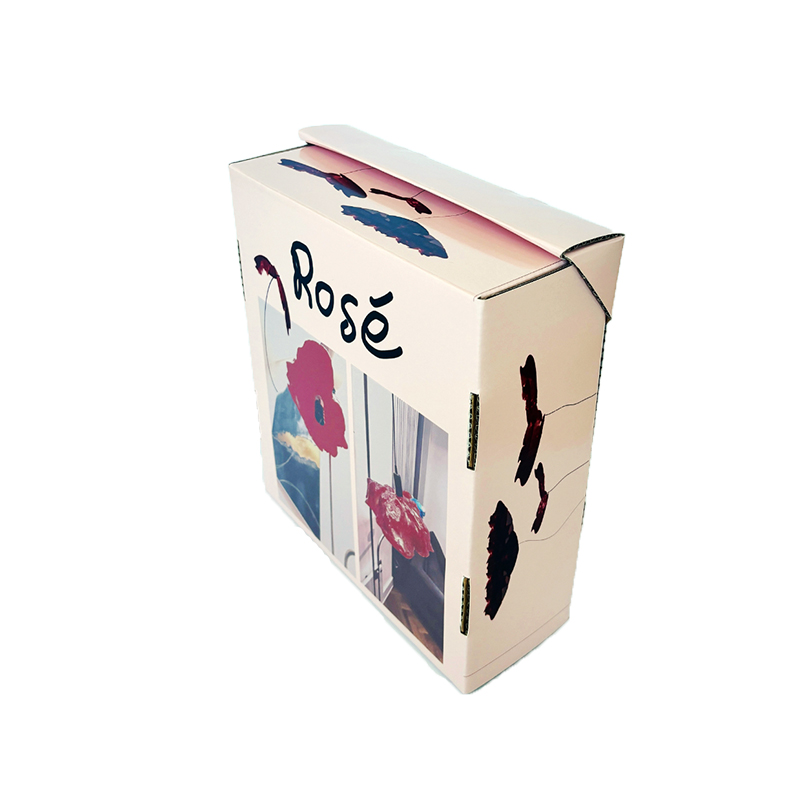
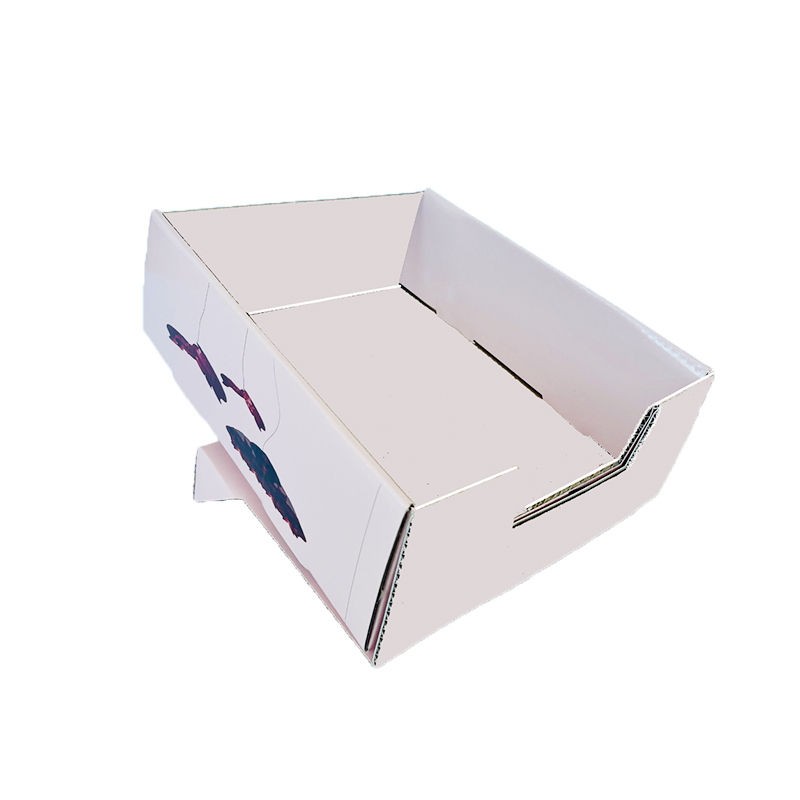
PDQ Quick-Pack Environmentally Friendly Packaging Paper Box, Folding Gift Box
The base structure is the most critical element, as it bears the entire static load and must resist failure due to concentrated point stress from products.
The Edge Crush Test (ECT) value of the corrugated board dictates the ultimate compression strength. When specifying material for the base, a higher ECT rating ensures better resistance to buckling, especially for displays carrying multiple tiers of product weight.
| Base Structure Type | Assembly Time (Relative) | Relative Load Capacity | Material Consumption |
|---|---|---|---|
| Self-Locking (Single-Wall) | Fastest (Aids PDQ goal). | Moderate (Relies heavily on material grade). | Lowest. |
| Double-Walled / Laminated | Slower (Requires more folding). | Highest (Best for demanding Load bearing capacity of PDQ base designs). | Highest (Requires more board). |
Beyond the base, the vertical Structural stability of corrugated retail displays is governed by the side walls, which must withstand both internal pressure and external forces.
Internal support tabs, double-thickness side panels, and integrated locking mechanisms are designed to prevent the side walls from bowing outwards under the pressure of the displayed products. This strategic Engineering side wall support for retail boxes ensures the rectangular form factor is maintained throughout its retail life.
The core specification for PDQ Display Boxes rests on selecting the correct corrugated medium, a key part of the Corrugated board selection for PDQ strength process.
Moisture significantly degrades the strength of corrugated board. Corrugated board selection for PDQ strength in high-humidity or refrigerated environments necessitates using water-resistant coatings or wax impregnation, though this must be balanced against sustainability goals.
The lifecycle of a display box often includes stacking in back rooms or on pallets, making stacking strength crucial.
The Box Compression Test (BCT) determines the maximum load a box can safely withstand when stacked. This test is the final validation that the overall design, from the base to the side wall engineering, meets the rigorous PDQ display box stacking strength requirements for safe and efficient warehousing.
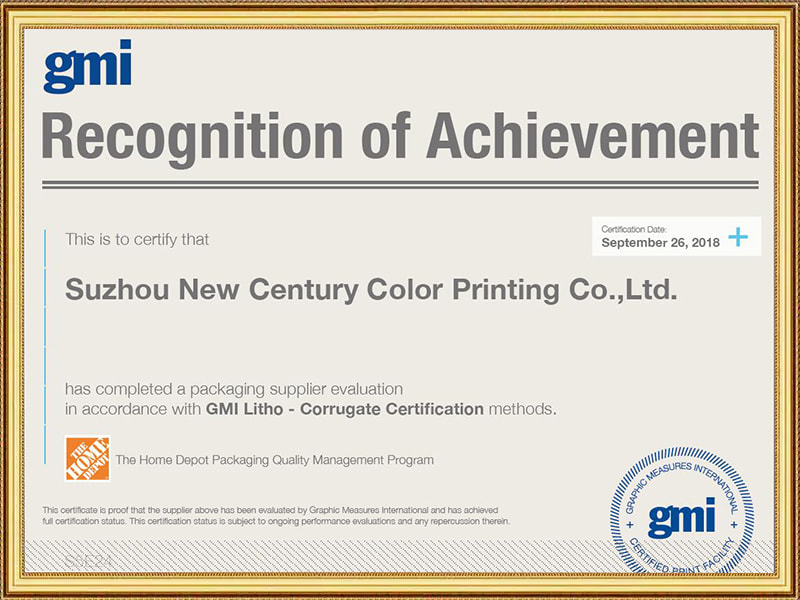
Suzhou New Century Color Printing Co., Ltd., established in 2000, is a large, high-tech enterprise specializing in paper color printing and corrugated boxes, serving as a governing unit of the Jiangsu Printing Industry Association. Located in Suzhou with highly convenient transportation, our company utilizes advanced printing equipment and strong technical force to provide superior packaging solutions. We emphasize comprehensive quality management, being certified under ISO9000, ISO14000, and GMI. Our expertise lies in ensuring the highest PDQ display box stacking strength requirements and optimal Load bearing capacity of PDQ base designs through precise material science and structural engineering. We adhere to the business philosophy of "keep improving product quality and serve customers with honesty and trustworthiness," focusing on full process control and continuous improvement to ensure that every order of PDQ Display Boxes meets your exact technical specifications for structural integrity and print quality.
The key consideration is increasing the material thickness and contact area, typically achieved by utilizing a double-walled or double-laminated base structure rather than a simple single-layer self-locking base.
For maximum vertical stacking strength, the corrugated flutes must run vertically (perpendicular to the base). This allows the flutes to act as vertical columns, providing the highest possible compression strength (BCT value).
The main trade-off is between strength and print quality. Thicker, stronger flutes (like C-Flute) offer high load bearing but result in a rougher surface, while E-Flute offers a smooth surface for high-resolution graphics but lower strength.
Techniques include incorporating internal locking tabs, designing the side walls with double material thickness, or strategically folding the top tray lip down to the box interior to stiffen the upper edges.
The BCT determines the actual maximum load a box can withstand before failure. This value is used to calculate safe stacking heights for the PDQ Display Boxes in the warehouse and transit stages, ensuring they meet the required durability standards.
PDQ Quick-Pack Environmentally Friendly Packaging Paper Box ... View More
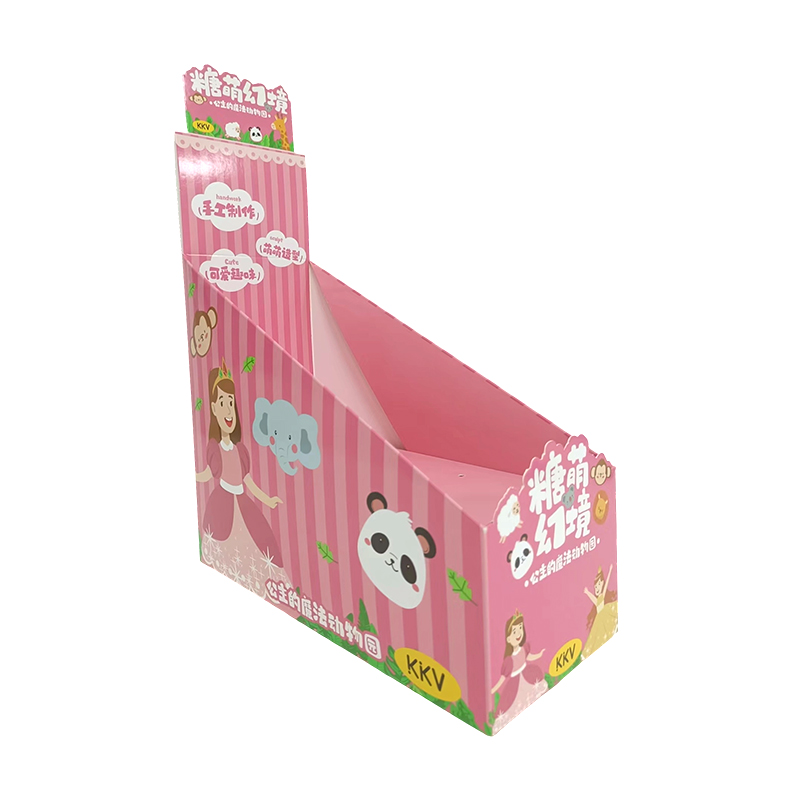
400g white cardboard printed and coated lollipop PDQ display... View More
The Detachable Tear-off Paper Packaging Box is a specialized... View More
Printed PP retail product packaging boxes are a high-quality... View More
No. 88, Zhiying Street, High-tech Zone, Suzhou City, Jiangsu Province, China.
+(86)-512-6575-0991
+(86)-13776090470

Copyright © SuZhou New Century Color Printing Co., Ltd. Custom Printed Colored Corrugated Boxes





 Français
 Español
 عربى
عربى