
Article Directory
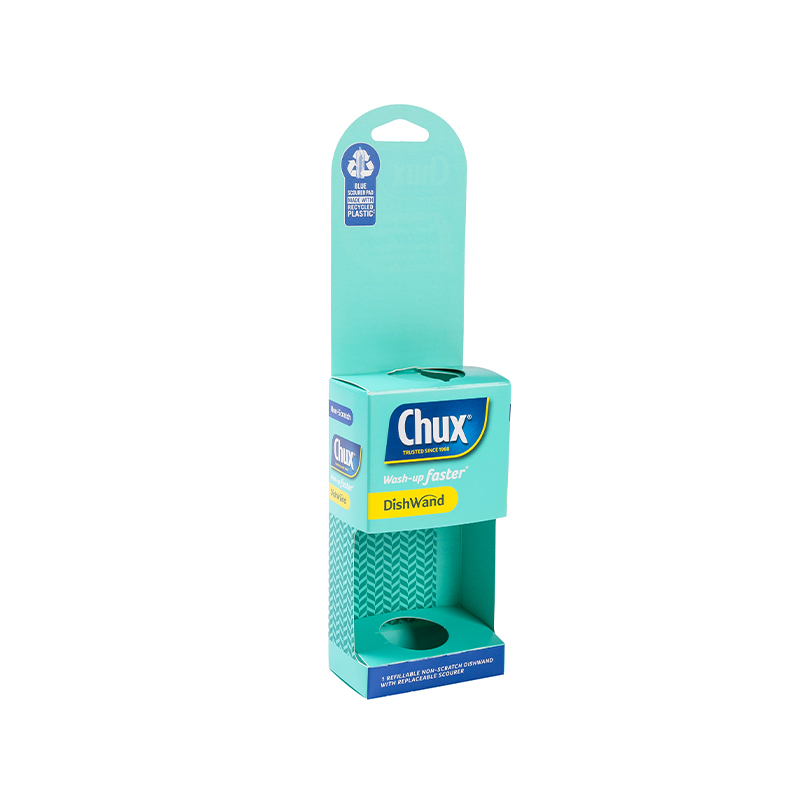
Walk down the personal-care aisle of any supermarket and the same pattern repeats: toothbrushes, face masks, razors and small cleaning tools all hang from pegboard hooks in printed cartons. That carton is the only salesperson the product gets. It has to carry the product through shipping, stop a shopper from three metres away, and still look clean after being handled dozens of times a day.
Every one of those jobs is decided by two things: how the box is printed and how it is finished. Get the combination right and the pack hangs straight, survives handling and sells. Get it wrong and the product sits on the hook for months, or falls off because the hang hole tore on the first pull.
Three structural details matter most:
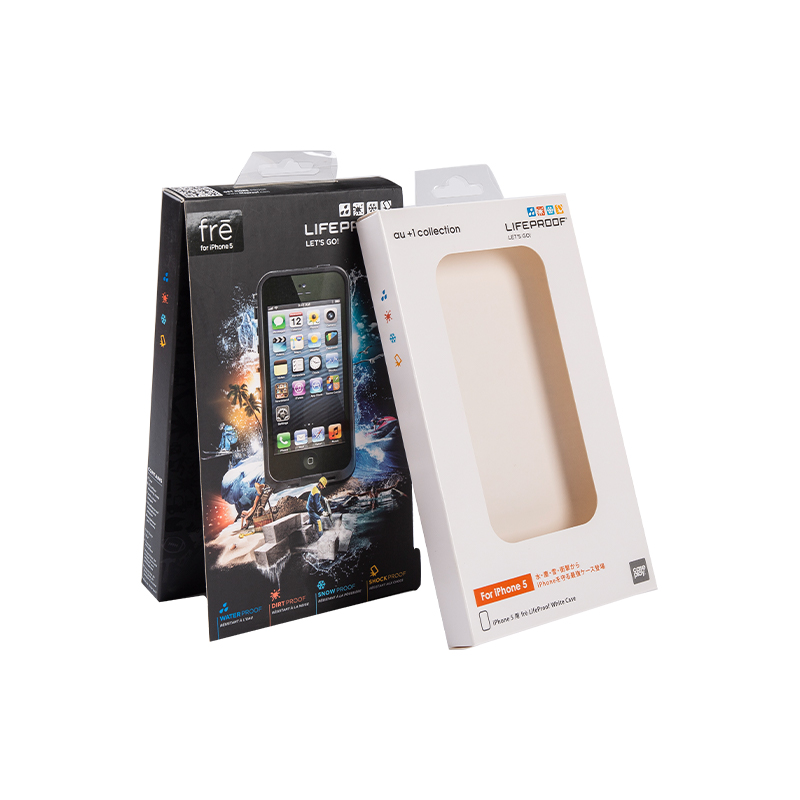 Printed PP Retail Packaging Box with Hanging HoleThis polypropylene-laminated carton suits humid retail settings where moisture protection is essential. Its reinforced hanging hole reduces tear-out risk, making it a durable choice for high-turnover hooks.View Product →
Polypropylene-laminated cartons are a common choice when the product sits in humid environments such as bathrooms, retail chillers or uncovered shelves. The PP film protects the print and reinforces the material around the hole at the same time, which cuts the risk of tear-out on high-turnover retail hooks.
Offset printing is the default for retail hanging boxes in medium and high volumes because it delivers the sharpest graphics at the lowest unit cost above roughly 500 pieces. Flexography is only worth considering when the run is very large or the box is made from corrugated board.
Before you lock the artwork, review how packaging boxes are printed so that file resolution, colour space and bleed match the press used for your run.
| Criterion | Offset printing | Flexographic printing |
| Resolution | 175–200 lpi, smooth gradients | 100–133 lpi, flat colour areas |
| Colour accuracy | High, ideal for photos and skin tones | Good for brand colours and simple artwork |
| Board types | White card, coated paperboard | Corrugated, kraft and film-coated board |
| Economical run | From about 500 units | From about 5,000 units per repeat pass |
| Typical use | Cosmetics, personal care, retail displays | Transport cartons, corrugated POS displays |
Finishing controls two separate things: how the box performs physically and how it reads visually. The two do not always move in the same direction, so each option has to be judged against product weight, shelf layout and brand position.
Relative cost is the fastest filter. The chart below shows typical cost multipliers for a 350 gsm white-card hanging box with CMYK print, using standard matte lamination as the 1.0x baseline.
There is no single best finish. The right choice depends on product weight, shelf lighting, how often the pack is handled and the brand message you need to communicate.
 Gift Tab Retail Carton with Hanging Hole and PVC WindowMade from sturdy 350gsm cardboard, this box combines a hanging hole with a clear PVC window for direct product visibility. It is ideal for cosmetics, crafts, or small electronics on retail displays.View Product →
| Scenario | Recommended finish | Reason |
| Bathroom and cleaning aisles | PP lamination or gloss lamination | Water resistance and easy wipe-down |
| Cosmetics and skincare walls | Matte lamination plus spot UV | Premium contrast, hides fingerprints |
| Electronics accessories | Nano UV, frosted texture | Scratch resistance on frequent handling |
| Gift and promotional hooks | Hot stamping on matte | Metallic reflection drives impulse buys |
Start with product weight, then the hook environment, then the budget per box. Following that order prevents the most expensive mistakes in retail packaging.
Budget logic is usually linear: lamination is the cheapest visible upgrade, spot UV sits in the middle, and hot stamping or nano UV sit at the premium end. If the box has to carry a price point below five euros, keep the finish list short and invest in print sharpness instead.
Hanging box quality is decided in die-cutting precision and finishing consistency, not in artwork dazzle. A one-millimetre shift in the hang hole position can change how the pack hangs, while an uneven lamination seam can make the top edge buckle.
SuZhou New Century Color Printing Co., Ltd. is a full-process packaging manufacturer based in Suzhou National Hi-Tech Industrial Development Zone, with more than 26,000 square metres of plant space and a product range that includes the complete wall-mounted and hanging-hole packaging series. The factory runs offset and flexo presses together with lamination, UV, hot-stamping and PET window-patching lines, which keeps the whole production sequence under one roof.
 Clear Windowed Paper Carton with Hanging HoleThis packaging offers PET or PVC windows with optional printing finishes like UV and hot stamping. It supports custom sizes and shapes, helping brands present products clearly while hanging on retail hooks.View Product →
For brands that need the product visible while it hangs, a PET window combined with a hanging hole is a practical hybrid. The window shows the item, and the finish protects both the printed face and the hook area.
300–350 gsm white card covers most products up to about 300 grams. Go to 400 gsm or add a reinforced header when the product is heavier or the pack is loaded and unloaded repeatedly on the hook.
Yes. A PET window can be patched behind a die-cut opening on the same carton, as long as the hang hole is placed away from the window area to keep the top edge structurally strong.
Gloss or matte polypropylene lamination applied over the full carton gives the best balance of tear resistance and scuff protection. PP lamination is also water-resistant, which matters in bathrooms and chillers.
Offset-printed hanging boxes usually start around 500–1,000 pieces. Runs below that are handled better with digital printing, although the range of finishing options is narrower.
Gift tag retail packaging box carton with hanging hole and t... View More
Printed PP retail product packaging boxes are a high-quality... View More
The Gold and Silver Card Hand Cream Skin Cream Carton is a b... View More
The 350g white cardboard packaging box uses white cardboard ... View More
No. 88, Zhiying Street, High-tech Zone, Suzhou City, Jiangsu Province, China.
+(86)-512-6575-0991
+(86)-13776090470

Copyright © SuZhou New Century Color Printing Co., Ltd. Custom Printed Colored Corrugated Boxes





 Français
 Español
 عربى