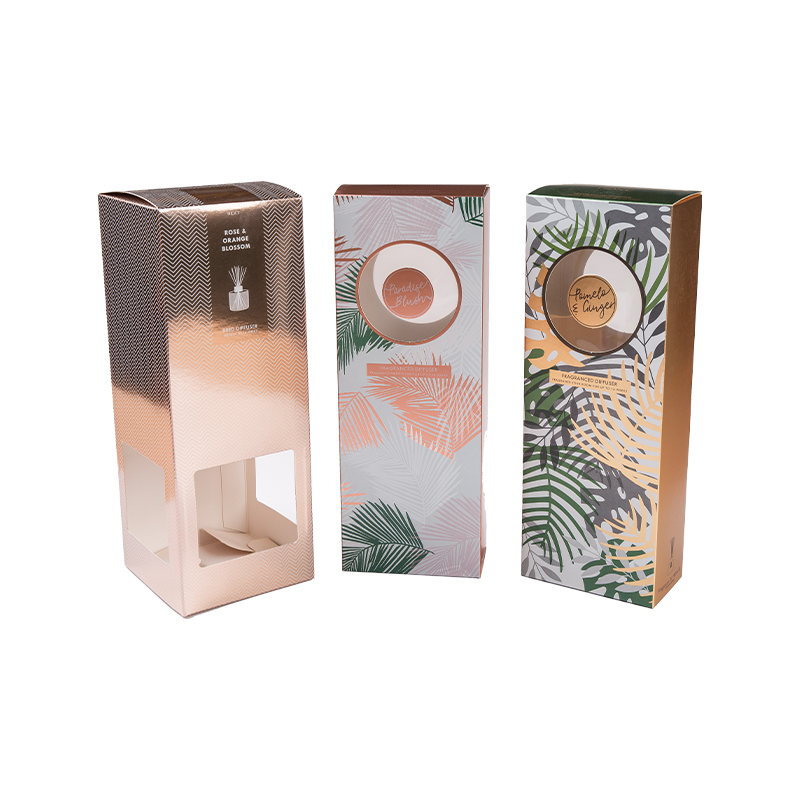
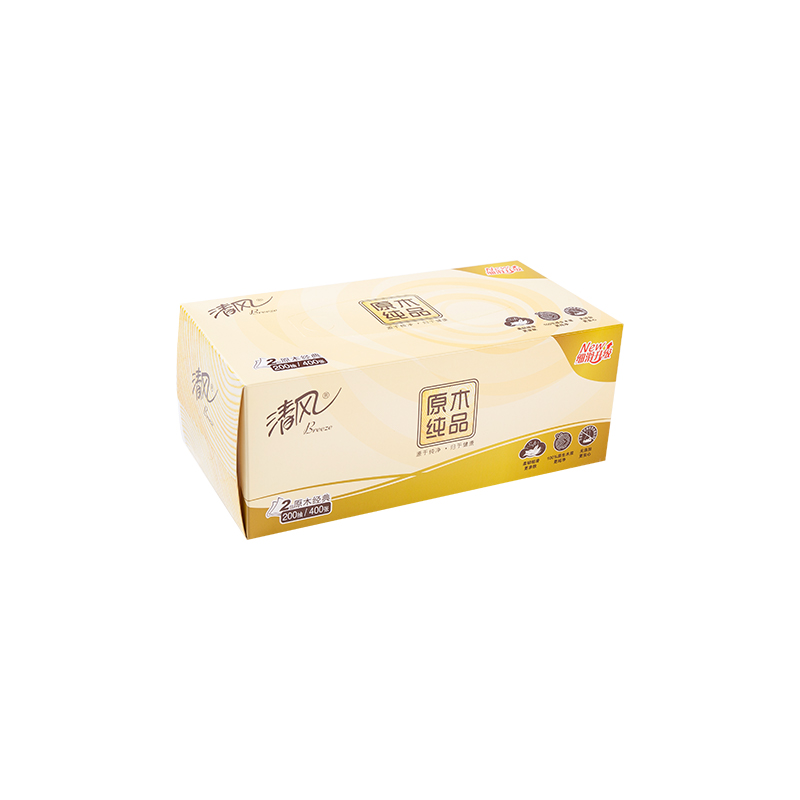
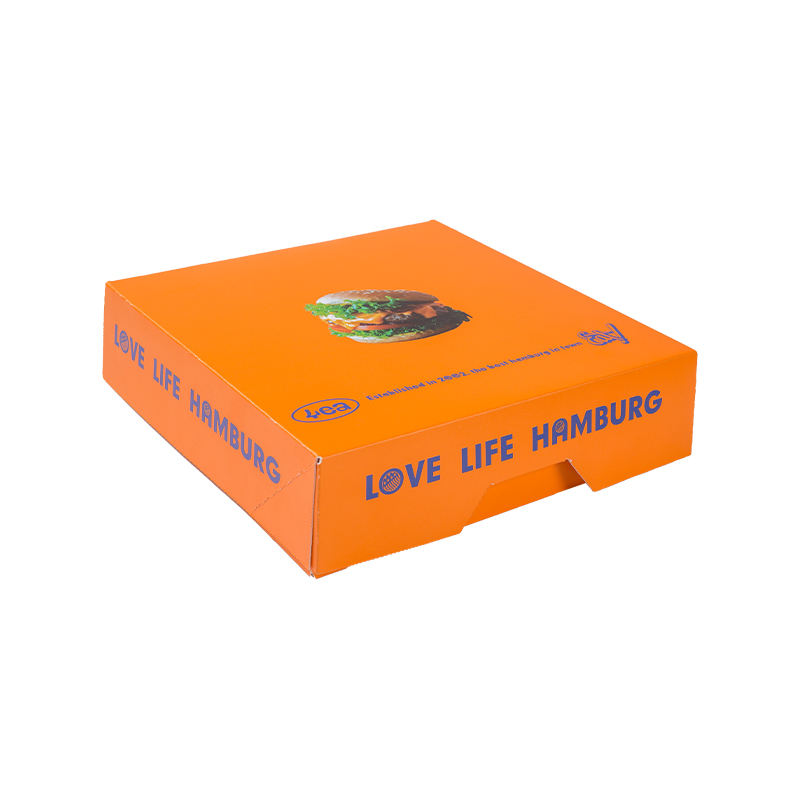
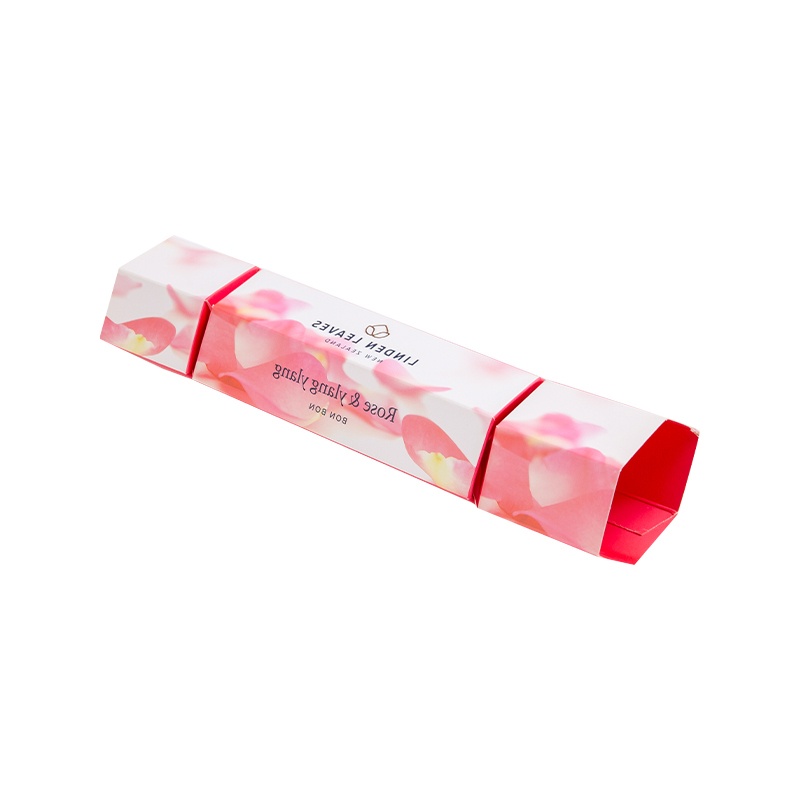
Suzhou New Century Color Printing Co., Ltd., established in 2000, is a premier manufacturing enterprise specializing in high-precision paper color printing and corrugated box production. Located in the Suzhou National High-tech Industrial Development Zone, our facility covers 26,000 square meters and is strategically positioned near major logistics hubs including Shanghai Port and Taicang Port. As a governing unit of the Jiangsu Printing Industry Association, we maintain a robust technical force and a sound management system, evidenced by our ISO9000, ISO14000, and GMI certifications. Our annual sales exceeding 100 million yuan are supported by advanced printing equipment and over 230 specialized employees. For the 2026-2026 market, the Printed Paper Carton for Daily Use is transitioning from a passive containment vessel to an active, data-driven component of the supply chain, requiring advanced material science and digital integration.
Advanced Material Science and Barrier Performance Metrics
The structural integrity of a Printed Paper Carton for Daily Use is fundamentally defined by its bursting strength and moisture vapor transmission rate (MVTR). For 2026-2026, the industry is moving away from traditional plastic laminates toward aqueous-based barrier coatings. These coatings must maintain a Cobb 60 value of less than 30 g/m2 to ensure moisture resistance in paper cartons during high-humidity transit. When analyzing What is the best material for daily use cartons, engineers prioritize high-yield kraft liners with a minimum ring crush test (RCT) value of 1.5 kN/m. This ensures that the Printed Paper Carton for Daily Use provides sufficient stacking strength (BCT) to withstand vertical loads in automated warehousing environments without the need for excessive internal reinforcement, thereby optimizing the material-to-volume ratio.
RFID and NFC Integration for Smart Inventory Tracking
The most significant trend for 2026 is the embedding of RFID tags in paper cartons for real-time traceability. Unlike external labels, integrated NFC technology for daily use packaging is printed directly using conductive inks or embedded between plies of corrugated board. This allows for automated inventory management of printed cartons without line-of-sight scanning. To maintain high-precision GMI certified printing, the electronic components must be thin enough to avoid interference with the offset or flexographic printing cylinders. This smart integration enables "first-expired, first-out" (FEFO) logic in retail settings, significantly reducing waste for perishable daily necessities and providing consumers with authenticated product origin data via smartphone interaction.
Color Management and Ra Surface Finish Standards
A Printed Paper Carton for Daily Use must balance functional durability with high-fidelity visual communication. Utilizing advanced West German and Japanese printing presses, we achieve a color deviation (Delta E) of less than 2.0 across large production runs. The Ra surface finish of printed paperboard is critical for the application of smart UV varnishes; a surface roughness of less than 2.5 um ensures that QR codes and data matrices remain machine-readable at high scanning speeds. Furthermore, the ink adhesion of paper cartons is verified through ASTM D3359 tape tests, ensuring that anti-counterfeiting printed features do not delaminate under abrasive handling conditions. This technical precision is essential for maintaining brand integrity in the competitive Yangtze River Delta and international export markets.
Sustainability and Circular Economy Compliance
The shift toward recyclable printed paper cartons is no longer optional but a regulatory requirement under global ESG frameworks. How to improve paper carton recyclability involves the use of vegetable-based inks (soy inks) and water-soluble adhesives that facilitate the "de-inking" process in pulping mills. For the 2026 market, Printed Paper Carton for Daily Use designs are being optimized for mono-material construction, where the tensile strength of recycled paper fibers is augmented by long-fiber virgin kraft additions. This ensures the durability of eco-friendly packaging remains consistent with traditional petroleum-based alternatives. At Suzhou New Century, our GMI and export container licenses guarantee that every customized daily use carton meets international hazardous substance restrictions and social responsibility standards.
| Technical Parameter |
Standard 2024 Carton |
Smart 2026-2026 Trend |
| Edge Crush Test (ECT) |
5.0 - 7.0 kN/m |
8.5 - 10.0 kN/m (Reinforced Fiber) |
| Data Integration |
Static QR Code |
Active RFID / Dynamic NFC |
| Coating Type |
PE Lamination |
Aqueous / Bio-polymer Barrier |
| Printing Precision (Delta E) |
< 3.0 |
< 1.5 (GMI Standards) |
| Recyclability Rate |
75% - 85% |
> 98% (Mono-material) |
Mechanical Validation and Load Distribution Analysis
To ensure the safety of goods during transit, the Printed Paper Carton for Daily Use undergoes rigorous mechanical validation. Shock resistance of corrugated boxes is measured via drop tests (ISTA 3A standards), ensuring the contents remain undamaged at impact velocities of 3.5 m/s. The load distribution in daily use packaging is calculated using finite element analysis (FEA) to determine the optimal flute profile (A, B, or C flute) for specific product weights. Suzhou New Century's commitment to "keep improving product quality" drives us to refine these structural designs of paper cartons, ensuring that our customers in the home textile and daily necessities sectors receive a high-performance, smart-enabled packaging solution that maximizes economic growth and consumer satisfaction.
Industrial Hardcore FAQ
Q1: What is the benefit of GMI certification for my printed cartons?
A1: Graphic Measures International (GMI) certification ensures that the print facility monitors and controls every variable of the printing process, guaranteeing color consistency and print quality across different batches and global locations.
Q2: Can smart RFID tags survive the pulping and recycling process?
A2: Modern "Green RFID" tags are designed with aluminum antennas and silicon-free chips that are easily separated during the centrifugal cleaning stage of standard paper recycling, minimizing environmental impact.
Q3: How does a "Cobb 60" test impact the storage of daily use goods?
A3: The Cobb 60 test measures how much water the paper surface absorbs in 60 seconds. A low Cobb value prevents the carton from softening and collapsing in humid warehouses or refrigerated transport.
Q4: Why move from PE lamination to aqueous coatings?
A4: Aqueous coatings are water-based and allow the paper to be easily repulped. PE (Polyethylene) lamination creates a plastic film that is difficult to separate, often resulting in the carton being rejected by standard recycling facilities.
Q5: What determines the "Bursting Strength" of a corrugated box?
A5: It is primarily determined by the quality and grammage (GSM) of the facial and inner liners. High-quality long-fiber kraft paper provides the highest resistance to internal and external puncture forces.
Technical References
- ISO 2759:2014 - Board — Determination of bursting strength.
- TAPPI T 810 - Bursting strength of corrugated board.
- ISTA 3A - Packaged-Products for Parcel Delivery System Shipment 70kg or Less.









 Français
 Español
 عربى
عربى