At the point of sale, where over 82% of purchasing decisions are made, presentation is not aesthetic — it is commercial strategy. A well-engineered PDQ display box puts your product directly in the path of a buying decision, at eye level, fully branded, and ready to self-merchandise without any retail staff involvement.
82%
of purchase decisions made in-store at point of sale
3x
higher unit velocity for products in dedicated display units vs shelf-stacked
64%
of shoppers report noticing countertop display units before shelf products
40%
average lift in impulse purchase rate attributed to PDQ-style POS displays
What Are PDQ Display Boxes and How Are They Used in Retail?
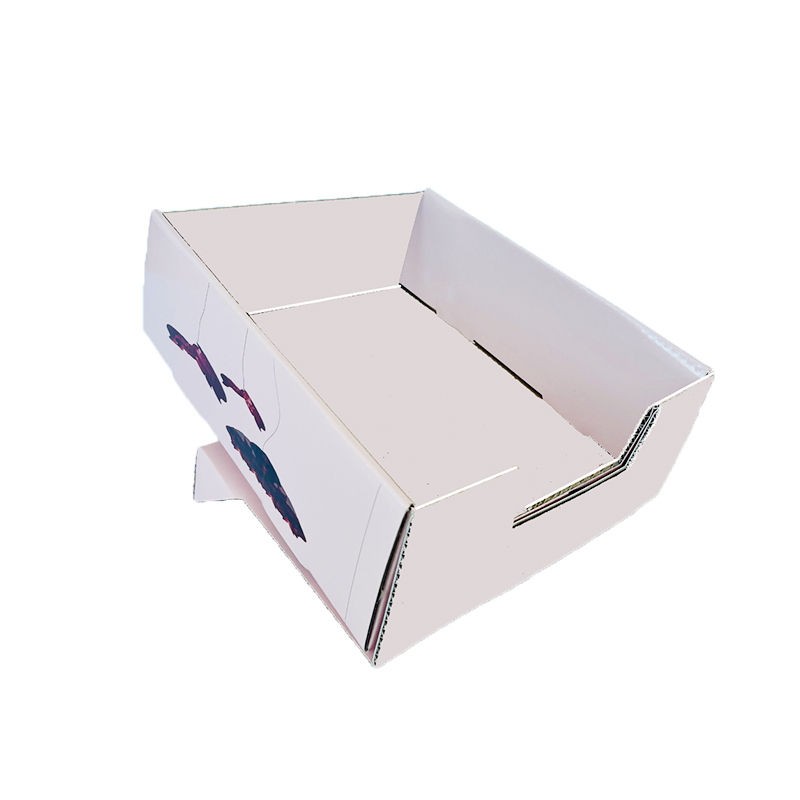
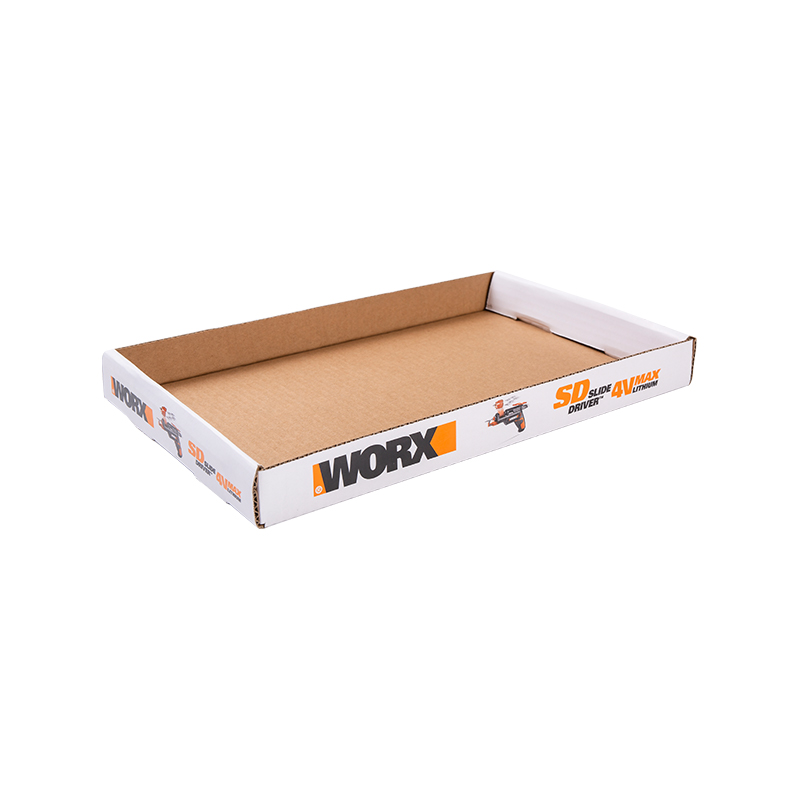
A PDQ display box — an abbreviation for Pretty Darn Quick — is a pre-filled, ship-ready retail display unit that arrives at the store already loaded with product and requires no repacking or separate shelving to become a functioning point-of-sale display. The retailer opens the outer shipper, places the inner tray on a countertop or shelf, and the product is immediately shopable.
Definition
A PDQ display box is a factory-loaded corrugated or folding carton display unit combining shipping container and retail fixture in a single structure, designed to eliminate in-store merchandising labor while maximizing branded product visibility at point of purchase.
In fast-moving consumer goods (FMCG), cosmetics, confectionery, personal care, health supplements, and impulse-buy categories, PDQ display boxes are the dominant format for countertop promotions, checkout lane placements, and end-of-aisle secondary displays. Their versatility makes them equally effective in grocery chains, pharmacies, specialty retail, and convenience stores.
How PDQ Display Boxes Improve Product Visibility and Drive Sales
PDQ display boxes improve sales performance through three compounding mechanisms: placement advantage, brand immersion, and frictionless shopper access.
-
Placement Advantage
A countertop PDQ display box positions product at a 60 to 70 centimeter viewing height — the primary visual field during checkout interactions — compared to a midshelf position at 90 to 130 centimeters that requires active scanning behavior from the shopper.
-
360-Degree Brand Surface
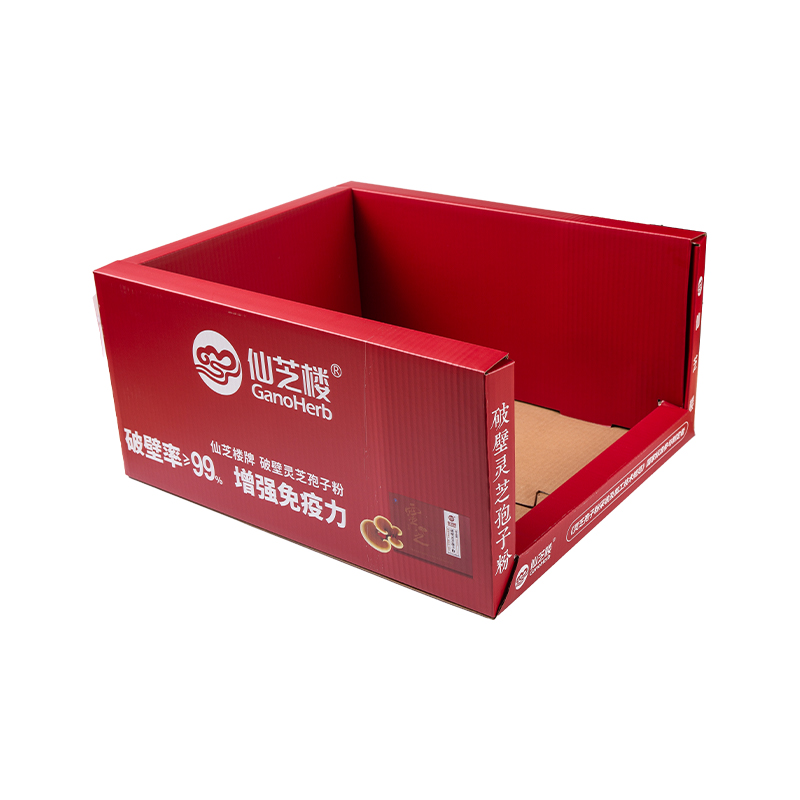
Every panel of a PDQ tray — front, sides, and rear — is a printable brand communication surface. High-resolution flexographic or digital printing allows full-color photography, QR codes, promotional messaging, and product benefit claims to surround the product from all sight angles.
-
Zero Replenishment Friction
Because the display ships pre-filled, store associates replace an entire depleted unit with a new pre-loaded one in under 60 seconds — maintaining display integrity without individual product facing or stacking.
-
Impulse Purchase Architecture
Research by the Point of Purchase Advertising International (POPAI) confirms that secondary display placements at checkout and end-of-aisle increase unit velocity by an average of 3x versus primary shelf placements alone.
-
Structural Product Separation
PDQ trays physically separate individual product units, preventing jumbling and maintaining a neat, premium presentation throughout the sell-through cycle — a critical factor in high-traffic retail environments.
Best Materials for PDQ Display Boxes: Durability and Print Quality
Material selection determines both the structural performance and the visual output of a PDQ display box. The right substrate balances load-bearing capacity during shipping with surface quality for premium graphics reproduction.
| Material |
Print Quality |
Load Strength |
Best Application |
Finish Options |
| SBS Folding Carton (350–400 gsm) |
Excellent |
Medium |
Cosmetics, confectionery, small FMCG |
Gloss, matte, soft-touch, foil |
| E-Flute Corrugated |
Very Good |
High |
Countertop displays, heavy units |
Litho-laminate, flexo print |
| B-Flute Corrugated |
Good |
Very High |
Floor stands, heavy product displays |
Flexo, digital wrap |
| Kraft Board (Uncoated) |
Limited |
High |
Eco-positioning, natural brand aesthetic |
1-2 color flexo, stamp |
| Litho-Laminated Corrugated |
Excellent |
Very High |
Premium cosmetics, electronics accessories |
Full process color, gloss UV |
For cosmetic and personal care brands, SBS board with a soft-touch matte laminate and spot UV highlight is the industry benchmark — delivering a tactile premium that reinforces brand positioning at the moment of consideration. For FMCG and food categories, E-flute corrugated with litho-laminate printing combines structural robustness with photographic-quality graphics.
Designing Effective PDQ Display Boxes for Cosmetics and FMCG
An effective PDQ display box design follows a visual hierarchy that communicates brand identity, product benefit, and purchase motivation within a two-second attention window — the average dwell time a shopper gives an unfamiliar countertop display.
01
Brand Block First
Place the primary logo and brand color at the highest visible point of the tray. Brand recognition must occur before product identification in the visual scan sequence.
02
Single Hero Message
Limit the primary front panel to one benefit claim of five words or fewer. Copy-dense displays lose 73% of passing shopper attention within the first second, according to Nielsen retail studies.
03
Color Contrast Hierarchy
Use the brand primary color as background on the header panel and a high-contrast neutral for product display wells. Contrast ratios above 4.5:1 between text and background increase readability at retail distance by 60%.
04
Product Window or Open Tray
Where packaging regulations allow, open-front tray configurations that expose the product directly outperform closed-front designs by an average of 28% in unit pick-up rate.
05
Structural Finishing Matches Brand Tier
Luxury and prestige products require gloss UV, foil stamping, or soft-touch laminate. Mass-market and value products perform equally well with standard gloss — matching finish to price tier prevents consumer cognitive dissonance.
06
QR and Digital Integration
Incorporating a QR code linking to product tutorials, reviews, or loyalty programs on the rear panel converts a physical display into a digital acquisition channel with no incremental cost.
PDQ Display Boxes vs Regular Retail Packaging: Key Differences
Regular retail packaging is designed around the individual product unit. A PDQ display box is designed around the retail transaction — the entire system from warehouse to shopfloor to shopper hand.
PDQ Display Box
- Ships and displays as a single integrated unit
- Designed for countertop, shelf, and end-cap placement
- Holds multiple units in a configured display arrangement
- Full brand communication surface across all panels
- Eliminates in-store merchandising labor
- Optimized for impulse and secondary purchase occasions
- Typically replaced as a complete pre-filled unit
Regular Retail Packaging
- Designed for single-unit consumer communication
- Requires separate shelving, facing, and arrangement
- One unit per package — no multi-unit display logic
- Brand surface limited to product box dimensions
- Requires associate time for shelf replenishment
- Optimized for planned purchase shelf browsing
- Individual units replaced one at a time
Frequently Asked Questions
Are PDQ display boxes suitable for both countertop and shelf retail placements?
PDQ display boxes are specifically engineered for both placement types. Countertop PDQ trays are dimensioned for cash-wrap and pharmacy counter surfaces — typically 200 to 300mm wide and 150 to 250mm deep. Shelf-format PDQ trays use shallower profiles sized to standard retail gondola shelf depths of 300 to 400mm. Both formats share the same pre-filled, ship-ready construction logic.
What is the minimum order quantity for custom PDQ display boxes?
Minimum order quantities for custom PDQ display boxes vary by substrate and print process. Folding carton PDQ trays with digital printing typically begin at 500 to 1,000 units, making them accessible for challenger brands and promotional runs. Litho-laminated corrugated PDQ displays for larger format deployments generally require 2,000 units or more to achieve cost-efficient plate amortization across the run.
How do PDQ display boxes support new product launches in retail?
New product launches benefit significantly from PDQ display box deployment because they concentrate brand communication and trial-purchase opportunity in high-traffic secondary locations outside the established category aisle. A shopper who would not browse the supplement aisle may encounter and purchase a new supplement product from a branded PDQ tray positioned at the pharmacy checkout — a reach extension no primary shelf placement achieves.
Can PDQ display boxes be used for both domestic and export retail distribution?
PDQ display boxes built on corrugated substrates are fully compatible with standard international pallet and container shipping configurations. Export-specification PDQ units incorporate reinforced base panels and interlocking shipper lids that protect display integrity across multi-modal freight journeys. Folding carton PDQ trays for export markets should specify minimum 350 gsm SBS board with moisture-resistant laminate to account for humidity variation during container transit.









 Français
 Español
 عربى
عربى