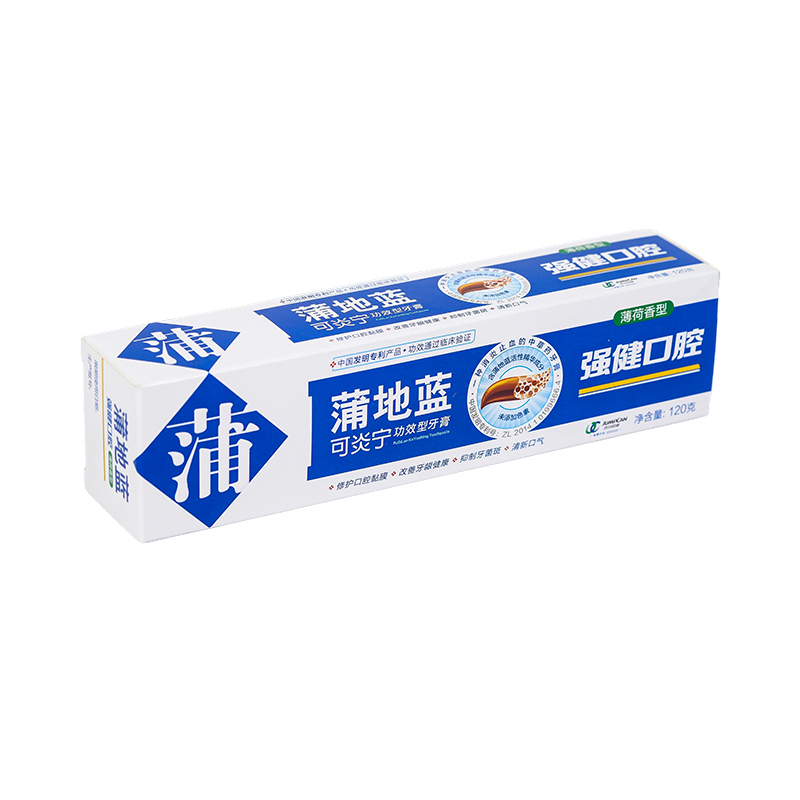
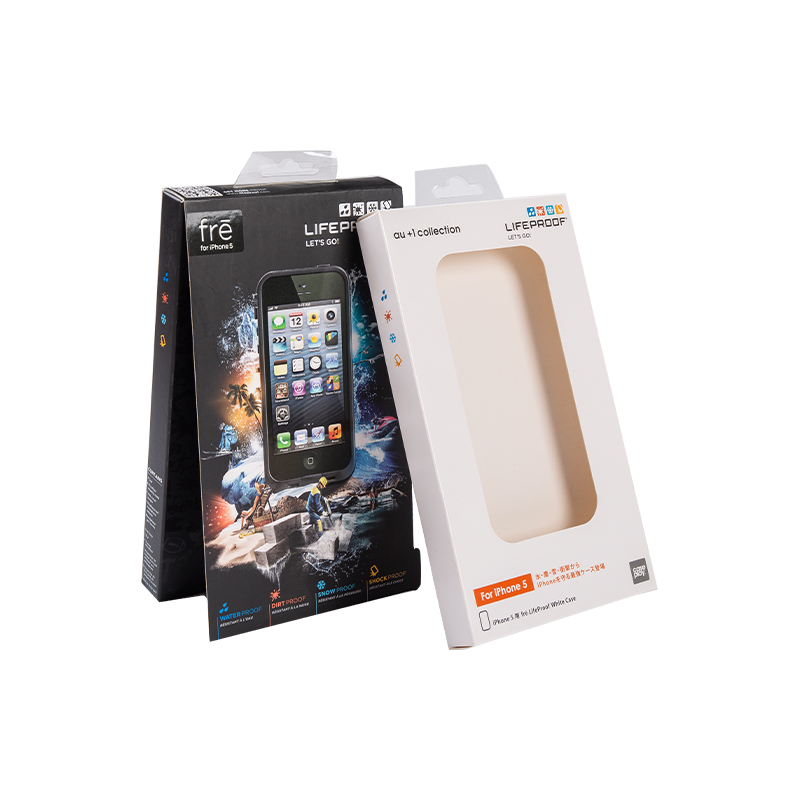
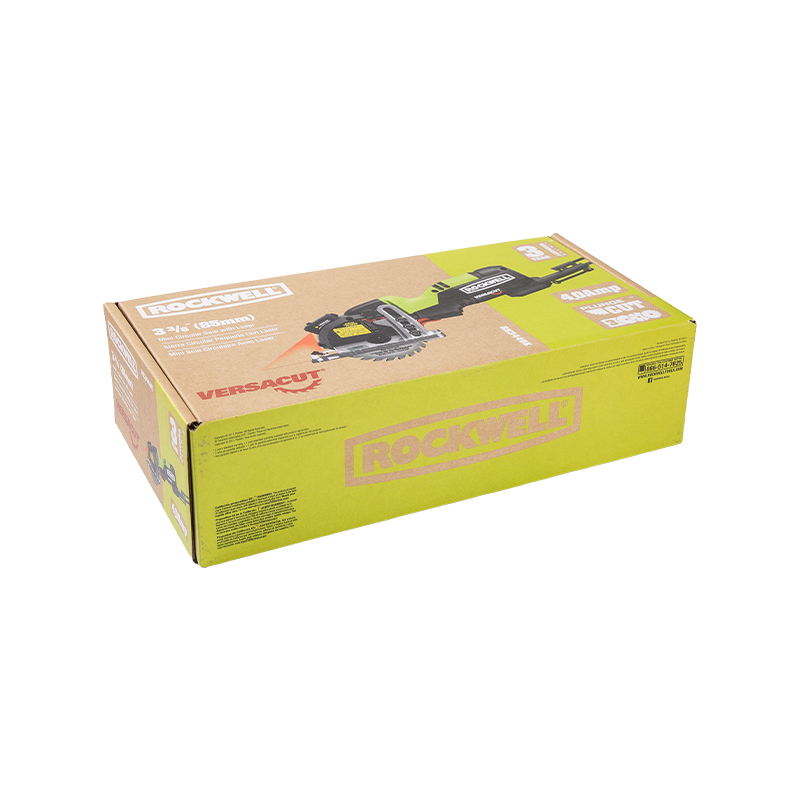
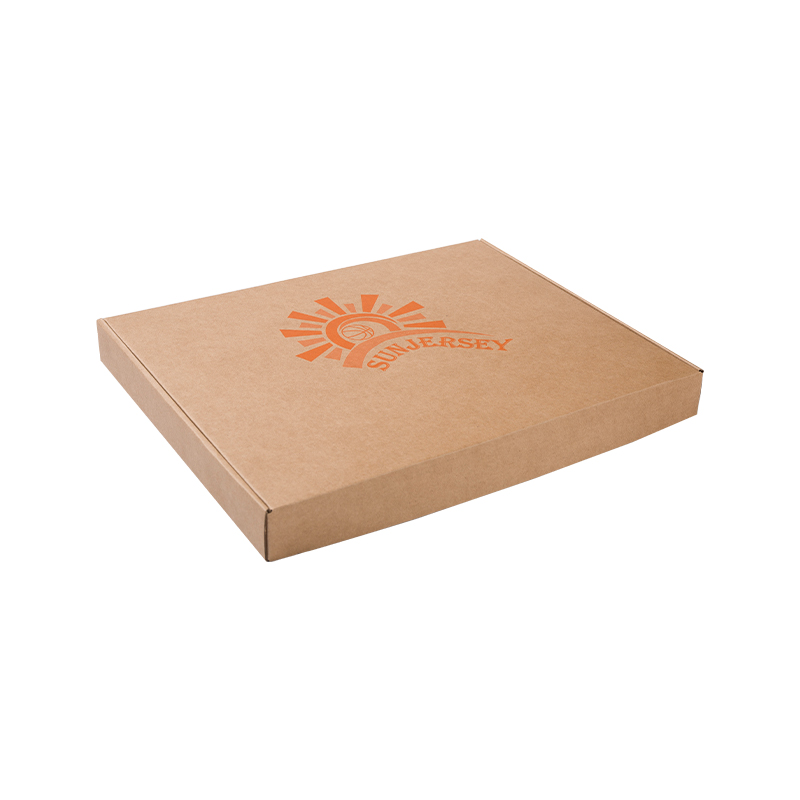
Choosing the right daily necessities carton packaging box is one of the most consequential decisions a product brand can make. From protecting goods during transit to driving purchase decisions on retail shelves, carton packaging performs multiple jobs simultaneously — and getting it right means higher margins, fewer returns, and stronger brand recall.
Why Carton Packaging Is the Backbone of Daily Necessities Retail
Daily necessities — cleaning products, personal care items, home textiles, kitchenware — are among the highest-volume consumer categories globally. According to Smithers Pira, the global corrugated and folding carton market exceeded $280 billion in recent years, with fast-moving consumer goods (FMCG) driving the largest share. In this competitive space, packaging is not neutral: studies show that 72% of consumers say packaging design influences their purchase decision.
Carton boxes specifically dominate this segment because they combine structural strength with a printable surface area that no shrink wrap or plastic clamshell can match. They stack efficiently in warehouses, display cleanly on shelves, and communicate brand identity the moment a customer reaches for the product.
72% of consumers influenced by packaging design
$280B+ global carton packaging market value
30% reduction in damage with corrugated over standard
6-color CMYK+ printing now standard for premium cartons
Material Options: Matching the Box to the Product
Material selection determines the durability, weight, cost, and printability of every carton. There is no single best material — the right choice depends on product weight, transit distance, retail environment, and branding requirements.
- Ideal for heavier daily goods (detergents, bulk home textiles)
- Single, double, or triple-wall options available
- Superior compression strength for stacking
- BCT (Box Compression Test) rated for pallet loads
- Best for e-commerce and shipping applications
- Ideal for retail-facing packaging of lighter goods
- Solid Bleached Sulfate: brilliant white for high-resolution printing
- Folding Box Board: excellent stiffness-to-weight ratio
- Supports lamination, embossing, and spot UV finishing
- Standard for personal care and cosmetic-adjacent lines
Moisture resistance is an often-overlooked factor for daily necessities. Products stored in bathrooms or kitchens require wax coating, PE lining, or moisture-barrier treatments — ask your supplier about burst strength ratings alongside standard basis weight specifications.
Design Principles That Make Carton Packaging Work Harder
Structural design and graphic design must be planned in unison. A visually stunning box that collapses on the shelf fails the brand just as badly as a structurally sound box with illegible typography.
Define the dieline first
Every graphic element must be mapped to the unfolded box template (dieline) before color or imagery is finalized. Panels, tuck flaps, and gussets each carry different visibility — prioritize the primary display panel and spine.
Apply brand color with precision
Spot colors (Pantone) guarantee consistency across print runs. CMYK approximations can drift by up to 15 Delta E units between batches — unacceptable for household brands where shelf coherence is critical.
Optimize for retail fixture formats
Whether the product lives on a pegboard, gondola shelf, or endcap display, the box dimensions must accommodate the fixture. SKU rationalization — designing one box to serve multiple retail formats via label changes — reduces tooling costs significantly.
Integrate sustainability signals
FSC certification marks, recycled content callouts, and "100% recyclable" statements are now expected by major retail buyers. Including these in the design from the outset avoids costly reprints later.
Printing Technologies and Finish Options
Printing quality is the single most visible differentiator between a private-label carton and a premium retail product. The right print process depends on run volume, color complexity, and surface treatment requirements.
| Print Method |
Best Run Volume |
Color Quality |
Typical Use |
| Offset Lithography |
5,000+ units |
Excellent (Pantone accurate) |
Retail folding cartons, cosmetics |
| Flexography |
10,000+ units |
Good (improving with HD plates) |
Corrugated shipping cartons |
| Digital Inkjet |
50–5,000 units |
Very good (no plate cost) |
Short-run customization, proofs |
| Gravure |
100,000+ units |
Outstanding |
Ultra-high-volume FMCG brands |
Surface finishes — matte lamination, gloss varnish, soft-touch coating, spot UV, foil stamping, and embossing — are applied post-print and dramatically affect perceived product value. A matte-laminated carton with spot UV on the logo consistently scores higher in consumer tactile preference studies than an uncoated equivalent.
Customization for Retail: Beyond the Standard Box
Customization in daily necessities carton packaging boxes goes far beyond printing a logo. Structural customization — custom inserts, die-cut windows, tear strips, easy-open perforations, and integrated hang tabs — adds functional value that consumers notice and remember.
Retailers including Walmart and Target now require suppliers to meet Packaging and Labeling Standards that govern barcode placement, panel hierarchy, and shelf-ready packaging (SRP) compliance. Working with a packaging manufacturer experienced in these requirements eliminates costly rejection at distribution centers.
Minimum order quantities (MOQs) have fallen sharply with digital printing. Brands launching new SKUs or testing regional markets can now order 200–500 custom cartons without committing to 50,000-unit offset print runs. This de-risks product launches and enables rapid iteration on packaging design based on real sales data.
Durability Standards Every Buyer Should Know
Durability is quantified — not guessed. Before finalizing any carton specification for daily necessities, verify these four parameters with your supplier:
- Bursting Strength (Mullen Test) — measures puncture resistance; essential for transit cartons carrying liquid or fragile goods
- Edge Crush Test (ECT) — measures stacking strength; the standard metric for corrugated shipping containers
- Cobb Value — measures water absorption over 60 seconds; critical for products stored in humid environments
- Grammage (GSM) — the basis weight of the board; heavier GSM is not always better — the ratio of GSM to stiffness (measured in mN) determines efficiency
Next Steps: Specifying Your Carton Packaging Project
Bringing a new daily necessities carton to production requires a clear brief. The following checklist ensures your packaging supplier can deliver an accurate quote and timeline without back-and-forth delays:
- Product dimensions and weight (packed)
- Required carton quantity and target unit cost
- Distribution method (retail shelf, e-commerce, pallet shipping)
- Printing color count and Pantone references
- Surface finish preferences
- Required certifications (FSC, food-safe, moisture resistance)
- Retail account requirements (if applicable)
- Desired lead time and port of loading
With these specifications in hand, an experienced carton manufacturer can turn around a structural prototype in 7–10 business days and a production-ready sample within 3 weeks — giving you everything needed to confirm the design before committing to a full production run.









 Français
 Español
 عربى
عربى