Cardboard wine boxes packaging serves two purposes at once: protecting fragile glass bottles during transit and presenting the product in a way that reflects the brand behind it. For wine exporters, e-commerce sellers, and winery brands, the packaging choice affects breakage rates, shipping costs, and how the product is perceived before the bottle is ever opened. This guide covers the main box types used across the wine trade, where each is typically applied, the protective properties worth evaluating, and the customization options available for brands looking to strengthen shelf and unboxing presentation.
Primary Function Protection + Branding
Common Materials Corrugated + Kraft Board
Typical Use Cases Export, Retail, Gifting
01Types of Cardboard Wine Boxes Packaging
A useful types of cardboard wine boxes packaging comparison starts with construction method, since the board structure determines both strength and the visual options available for branding.
Corrugated Wine Boxes
Built from fluted board layered between liner sheets, offering strong corrugated wine shipping box strength suited to export and freight applications where stacking and rough handling are expected.
Kraft Paper Wine Box
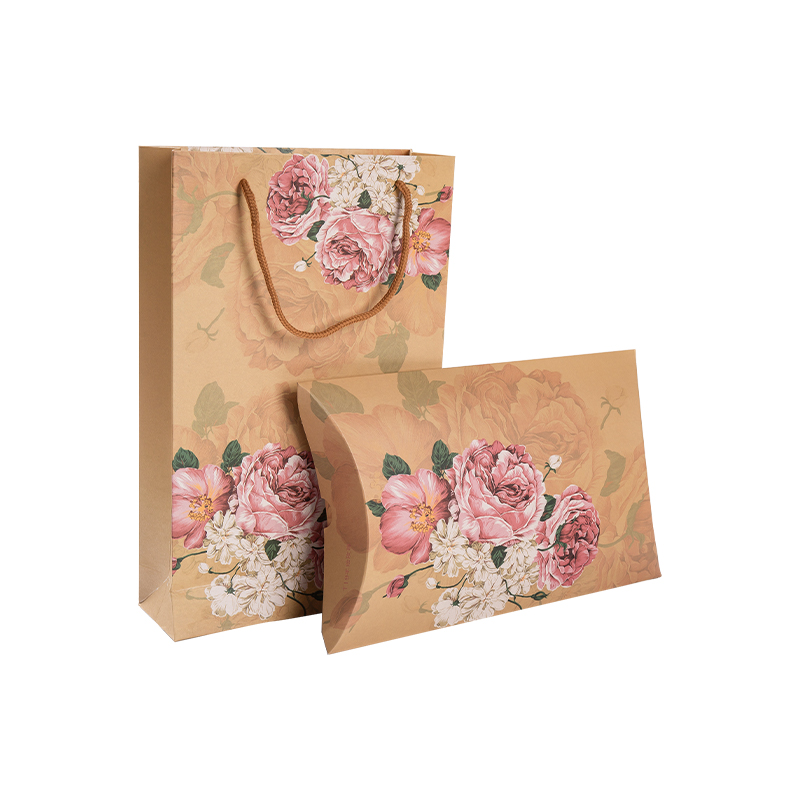
Made from unbleached kraft board, this option is associated with a natural, minimal aesthetic and is frequently marketed as kraft cardboard wine box eco packaging for brands emphasizing sustainability.
Luxury Wine Packaging Box
Constructed with rigid board and premium finishing techniques, positioned for gifting and retail display where luxury wine gift packaging box design is the primary purchase driver.
Custom Printed Wine Box
Any of the above structures can be produced as a custom printed wine box for branding, applying full-color graphics, logos, and label information directly onto the box surface.
Wine gift boxes packaging typically prioritizes presentation over shipping durability, since gift boxes are usually handled once at point of sale or delivery rather than moving through a multi-stage freight chain. This distinction matters when specifying a box for cardboard wine boxes packaging programs that need to serve both retail display and outbound shipping from the same production run.
02Applications of Cardboard Wine Boxes Packaging
Cardboard wine boxes packaging is specified differently depending on whether the primary requirement is transit protection, retail presentation, or brand storytelling.
Export and International Shipping
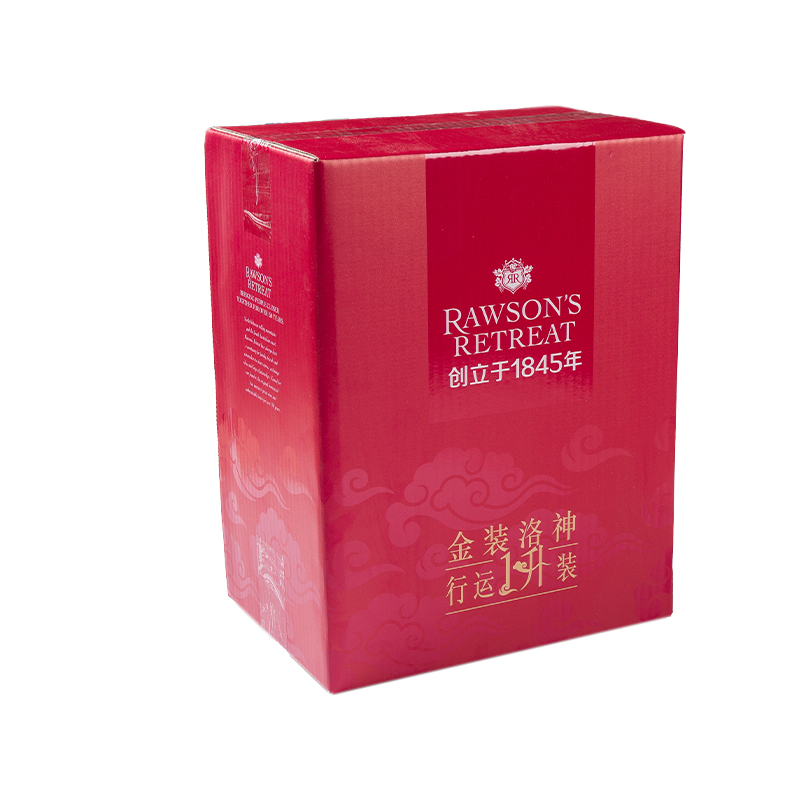
Cardboard wine boxes for export shipping need to withstand extended transit times, multiple handling points, and variable stacking conditions in shipping containers. Wine export packaging in this category typically uses double-wall or triple-wall corrugated construction, along with internal dividers that keep bottles separated and reduce glass-on-glass contact during transport.
Retail Display and In-Store Presentation
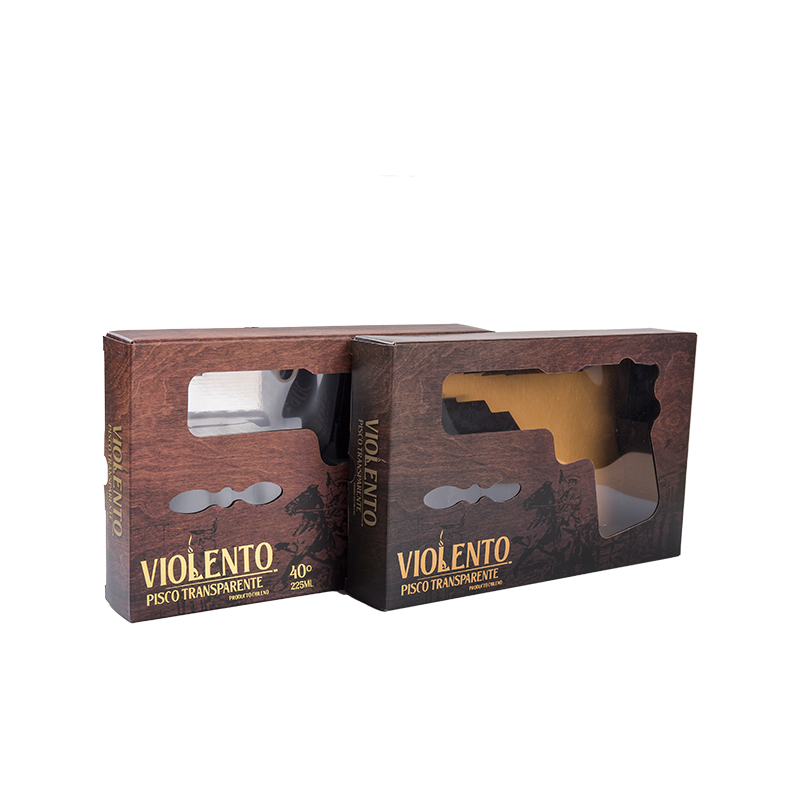
Wine packaging boxes for retail display serve a dual role: protecting bottles on the shelf while also functioning as part of the point-of-sale presentation. Retail Wine Packaging in this context often incorporates die-cut windows or partial-opening designs that let the label remain visible without fully exposing the bottle to handling damage.
Gifting and Direct-to-Consumer Sales
Custom wine gift boxes for branding are central to direct-to-consumer and seasonal gifting programs, where Gift Packaging for Wine needs to create a strong unboxing impression alongside adequate protection for a single bottle or small set shipped directly to a recipient.
Cardboard wine boxes packaging refers to corrugated or kraft board containers engineered to protect glass wine bottles during handling and transit while supporting branded print and finishing options.
E-commerce and Direct Shipping
Corrugated wine box for e-commerce delivery applications share requirements with export packaging but at a smaller scale, typically single or dual-bottle formats designed to survive parcel carrier handling. E-commerce Wine Shipping Boxes usually include molded pulp or corrugated inserts to prevent bottle movement inside the outer box during transit.
Winery Branding and Promotional Packaging
Winery promotional packaging box solutions extend beyond standard shipping needs into event packaging, tasting room gift sets, and limited-edition releases. Winery Branding Packaging in these cases is often treated as a marketing investment, using premium print finishes to reinforce brand positioning at points where customers interact directly with the product.
03Key Performance Properties Buyers Should Evaluate
Selecting the right cardboard wine boxes packaging comes down to evaluating compression strength, shock resistance, moisture performance, and material sustainability against the intended shipping and handling conditions.
Compression Strength
Resistance to crushing under stacked pallet weight during storage and freight transport.
Shock Resistance
Board and insert design that absorbs impact from drops and rough handling.
Moisture Resistance
Coatings or board treatments that maintain structural integrity in humid conditions.
Material Sustainability
Recyclable or responsibly sourced board suited to eco-conscious brand positioning.
Compression and Stacking Strength
Cardboard wine box compression strength test results are typically referenced when evaluating how a box performs under warehouse stacking and container loading. Compression Strength Packaging depends heavily on flute profile and wall count, with double-wall and triple-wall corrugated constructions offering greater load-bearing capacity than single-wall board for export and bulk shipping scenarios.
Shock and Impact Protection
Shock resistant wine packaging protection level is influenced as much by internal inserts and dividers as by the outer box material itself. Shock Resistant Wine Box designs commonly use corrugated or molded pulp partitions that keep bottles from contacting each other or the box walls directly, distributing impact force away from the glass.
Moisture and Environmental Resistance
Moisture resistant corrugated wine box performance becomes important for shipments passing through humid climates or extended storage periods. Moisture Resistant Corrugated Box treatments, such as water-resistant coatings on the board surface, help maintain structural strength that would otherwise degrade if the board absorbs ambient moisture.
Sustainability and Material Sourcing
Eco friendly wine packaging material standards are an increasingly common evaluation criterion for buyers responding to consumer and retailer sustainability expectations. Eco Friendly Packaging Material options generally rely on recycled or FSC-sourced board and minimize plastic components such as laminated coatings or non-recyclable inserts, though buyers should confirm specific certifications with suppliers rather than assuming sustainability claims without documentation.
| Box Construction |
Wall Type |
Best Suited For |
| Single-Wall Corrugated |
Standard |
Local retail, short transit |
| Double-Wall Corrugated |
Reinforced |
E-commerce, regional shipping |
| Triple-Wall Corrugated |
Heavy-duty |
Export, bulk freight |
| Rigid Kraft Board |
Premium |
Gifting, retail display |
04Customization and Branding Considerations
Custom cardboard wine box printing options allow brands to differentiate on shelf and reinforce identity throughout the unboxing experience, which is particularly valuable in a category where packaging often communicates quality before the product itself is tasted.
- Select the base structureChoose the box construction and material that meets protection requirements before layering on branding elements.
- Apply custom printingCustom Printing Packaging Box work typically covers full-color graphics, brand messaging, and required label or compliance information.
- Add premium finishingFoil stamped wine packaging design ideas and Embossed Logo Packaging treatments add tactile and visual distinction for premium positioning.
- Confirm OEM production detailsBranded wine box OEM packaging solutions should be finalized with confirmed dielines, color proofs, and finishing samples before full production runs.
Foil Stamping Wine Box treatments add metallic or reflective accents to logos and key design elements, commonly used to signal premium positioning without requiring a full structural upgrade. Luxury wine packaging embossing techniques create raised or recessed surface detail that adds tactile quality to the unboxing experience. OEM Wine Packaging Design programs typically combine these finishing techniques with structural customization, allowing brands to develop a packaging identity that carries consistently across export, retail, and gifting formats. Wine box branding for premium positioning works most effectively when print, finish, and structure are considered together rather than as separate decisions layered onto a generic box.
FAQ
What is cardboard wine boxes packaging?
Cardboard wine boxes packaging refers to corrugated or kraft board containers designed to hold and protect wine bottles during shipping, storage, retail display, or gifting, often combined with custom printing for branding.
Are cardboard wine boxes strong enough for shipping?
Yes, when the construction matches the shipping requirement. Double-wall or triple-wall corrugated boxes with proper internal dividers are commonly used for export and long-distance shipping, while single-wall board is generally reserved for shorter transit or retail use.
Can wine boxes be customized?
Yes, cardboard wine boxes packaging can be customized with full-color printing, foil stamping, embossing, and structural design changes such as die-cut windows or partial-opening formats to support specific branding and retail presentation goals.
What materials are used in wine packaging boxes?
Common materials include corrugated fiberboard for shipping strength, kraft paper board for a natural aesthetic, and rigid board for premium gift packaging, often combined with protective inserts made from corrugated or molded pulp.
Are cardboard wine boxes eco friendly?
Cardboard wine boxes are generally more recyclable than plastic or foam packaging alternatives, and options made from recycled or responsibly sourced board can further support sustainability goals, though specific eco credentials should be confirmed with the supplier.
What is the best packaging for wine bottles?
The best packaging depends on the use case: reinforced corrugated boxes with internal dividers suit shipping and export, while rigid or kraft board boxes with premium finishing suit retail display and gifting applications.
Final Thoughts
Choosing the right cardboard wine boxes packaging requires balancing protective performance against branding and presentation goals for the specific use case, whether that is export freight, retail shelving, or direct-to-consumer gifting. Compression strength, shock resistance, and moisture performance should guide the base construction choice, while custom printing and finishing techniques determine how effectively the packaging communicates brand quality. A well-specified box protects the product and supports the brand at the same time, rather than treating these as competing priorities.









 Français
 Español
 عربى
عربى