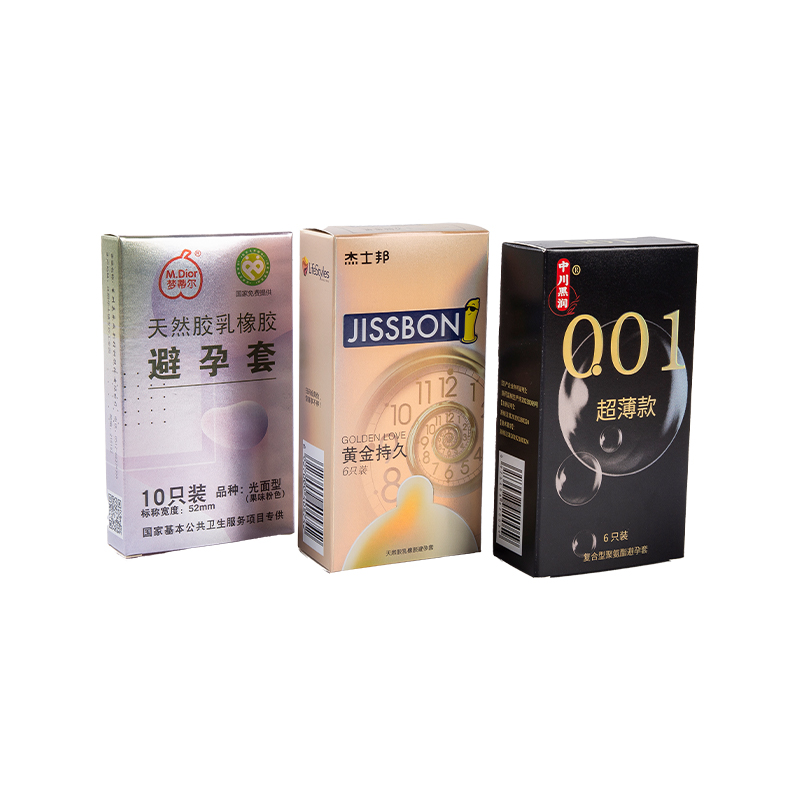
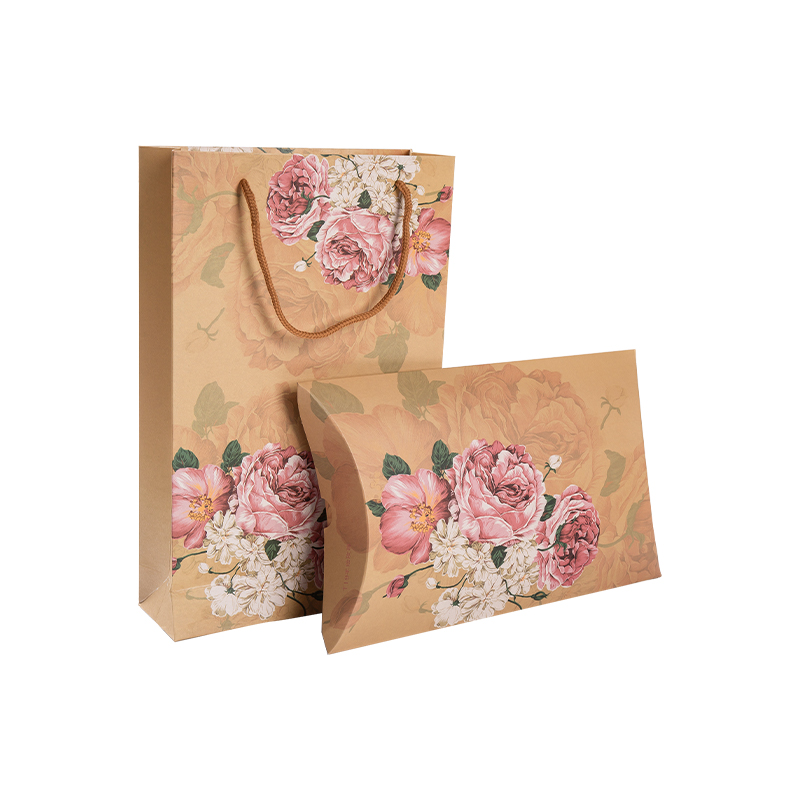
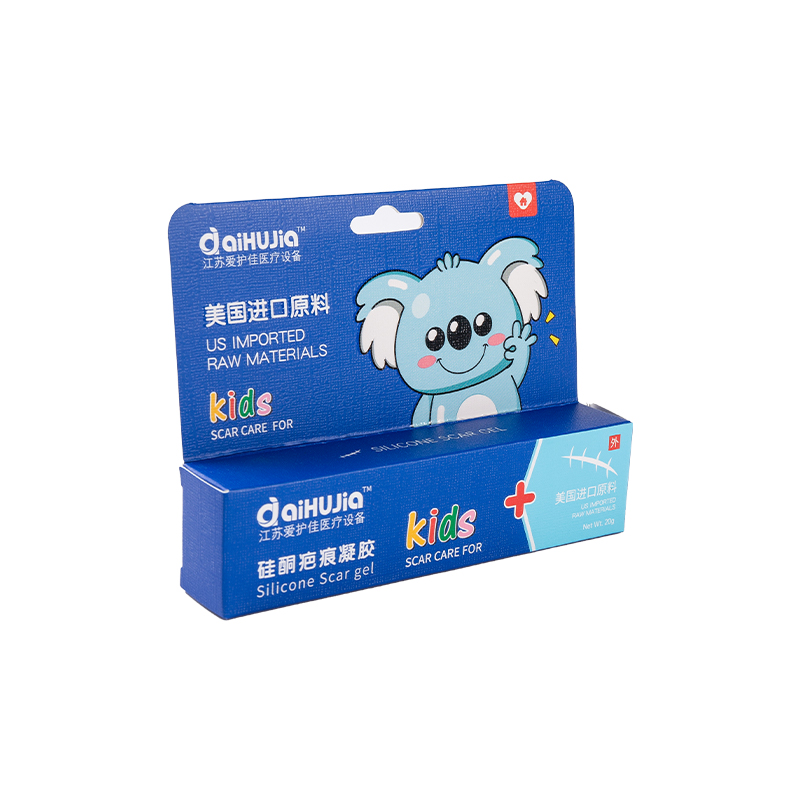
Effective Daily Necessities Packaging Carton Boxes must prioritize structural integrity and moisture resistance to protect high-turnover consumer goods during multi-stage logistics. For industrial-scale distribution, utilizing double-wall corrugated fiberboard (BC flute) is the standard recommendation to ensure a stacking strength that exceeds 500kg, preventing product deformation in high-density warehousing.
Material Selection and Strength Standards
The durability of packaging depends heavily on the GSM (grams per square meter) of the paperboard and the flute type. Daily necessities, ranging from heavy liquid detergents to lightweight home textiles, require specific board grades to balance cost and protection.
| Material Grade |
Wall Type |
Ideal Application |
| Single Wall (B-Flute) |
3mm thickness |
Lightweight household items, tissues, and small plastics. |
| Double Wall (BC-Flute) |
6-7mm thickness |
Heavy bottled liquids, glass containers, and bulk textiles. |
| Kraft Linerboard |
High burst strength |
International shipping and long-term storage in humid environments. |
Structural Design for Logistics Efficiency
The architecture of Daily Necessities Packaging Carton Boxes directly impacts the speed of fulfillment and the safety of the contents. Engineering the box for the specific "Edge Crush Test" (ECT) value ensures that the bottom layers do not collapse under the weight of the pallet.
- RSC (Regular Slotted Container): The most efficient design for daily goods, featuring flaps of equal length that meet at the center, minimizing paper waste during manufacturing.
- Die-Cut Customization: For premium home textiles or fragile necessities, die-cut inserts prevent internal movement, reducing the need for plastic bubble wrap.
- Atmospheric Protection: Applying a PE (Polyethylene) coating to the outer liner provides a water-repellent barrier, which is critical for goods transported in non-climate-controlled shipping containers.
Technical Specifications for Industrial Packaging
To maintain quality control across large production runs, manufacturers must adhere to measurable physical parameters. These metrics provide a data-driven approach to selecting the right packaging solution.
- Bursting Strength: Measured in kilopascals (kPa), typical industrial cartons for household goods should range between 12kg/cm² to 18kg/cm².
- Moisture Content: Standard export-grade cartons are maintained at a moisture level of 8% to 12% to prevent the board from becoming brittle or overly soft.
- Compression Strength: Calculated using the McKee formula, this determines the maximum load a box can support before the vertical walls buckle.
Environmental and Sustainability Requirements
As global regulations shift toward circular economies, Daily Necessities Packaging Carton Boxes are increasingly evaluated on their recyclability. Transitioning to FSC-certified (Forest Stewardship Council) materials ensures that the wood pulp is sourced from responsibly managed forests.
| Sustainability Factor |
Technical Implementation |
| Recyclability |
Use of starch-based adhesives instead of synthetic glues for easy pulp breakdown. |
| Ink Safety |
Switching to Soy-based or Water-based inks for printing product information and barcodes. |
| Material Reduction |
Optimizing box dimensions to eliminate "void space," reducing the overall carbon footprint per unit. |
Standard Dimensions and Palletization
Maximizing the "cube utilization" of a shipping container requires cartons designed around standard pallet sizes (such as 1200x1000mm). For daily necessities, modular box sizes that allow for interlocking stacking patterns significantly improve load stability during transit. For example, a box sized 400x300x300mm allows for exactly 10 units per layer on a standard Euro pallet, ensuring zero overhang and 100% surface contact for weight distribution.









 Français
 Español
 عربى
عربى