
Article Directory
Picture a 180 g jar of hand cream hanging from a peg hook on a coated paperboard carton. A shopper brushes past, the carton tilts, the slot stretches at the corner, and within moments the edge tears. The jar drops, the shelf display collapses, and store staff add damaged packaging to the daily write-off list. Packaging engineers call it hanger tear-out, and it ruins far more merchandise than most brands realise.
The conclusion you need first: hanging box durability is determined before the box ever reaches the hook. Board grade, hanger cut geometry, die-cut precision, surface finish, humidity, and transport stress all act together. Ignore any one of them, and no amount of visual design will keep the box on the peg.
The hanger slot concentrates the full product weight through a small strip of board. That makes material selection the single biggest durability decision you will make.
For lightweight products up to roughly 300–400 g, a well-formed folding carton board of 300–350 g/m² is usually sufficient. Stiffness, not just weight, carries the load. For heavier items, or for products whose shapes press against the carton wall, E-flute or B-flute corrugated is the safer route because it resists both crushing and bending.
If you are weighing the two options, it helps to review how corrugated board strength is measured and how flute profiles behave under load before you lock in a specification.
Two boards at the same grammage can differ in bending stiffness by 30 percent or more depending on fibre type, refining, and sheet formation. If your product weight is close to the upper limit for the board, ask your supplier for a stiffness value instead of relying on grammage alone.
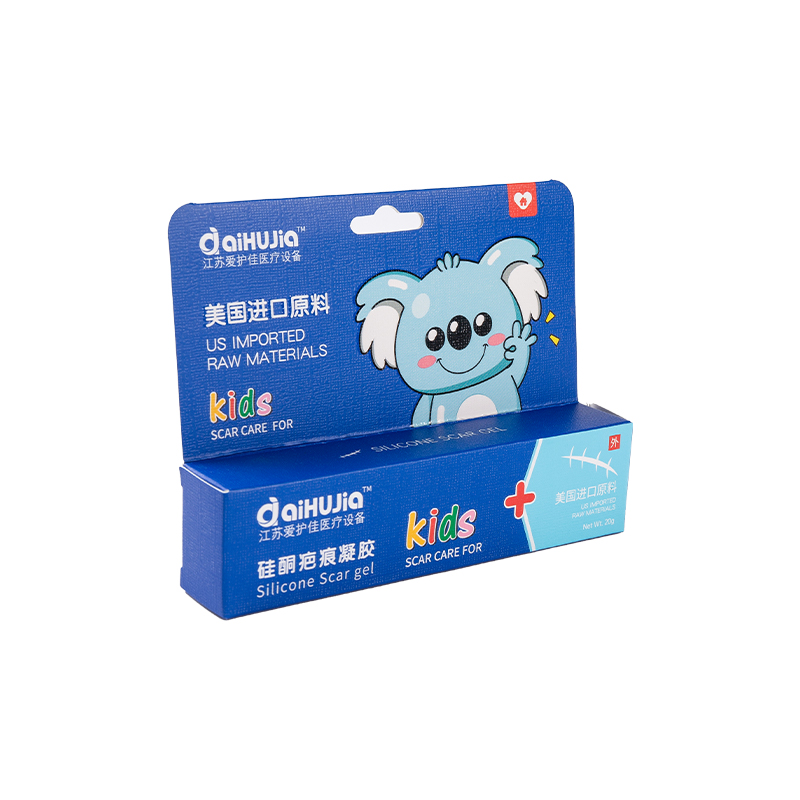
For retail cartons that also face moisture and repeated handling, a PP-laminated hanging-hole supermarket carton provides a practical balance: the polypropylene film protects the printing and creates a moisture barrier that keeps the slot area stiff through humid weather and cold-chain deliveries.
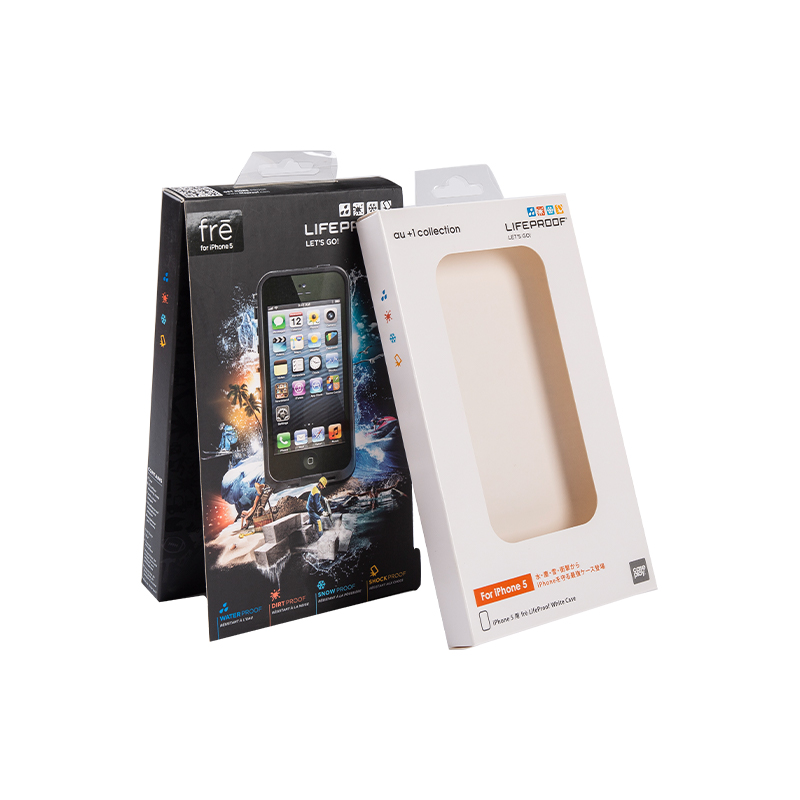 Wholesale Printed PP Retail Product Packaging Box Hanging Hole Packaging PackagiSuZhou New Century Is China Wholesale Printed PP Retail Product Packaging Box Hanging Hole Packaging Packaging Carton Suppliers, Printed ...View Product →
The shape, position, and cutting quality of the hanging slot determine how the box behaves under the repeated pulls of shoppers and store staff.
Round and oval slots distribute stress evenly. Sharp-cornered keyhole cuts concentrate stress and act as tear starters. The slot must also be slightly wider than the hook cross-section, with a clearance of about 2–3 mm typical, so the box slides on and off without forcing. Too tight and the slot rips during removal; too loose and the box sways or slips off the hook.
The material between the slot and the top edge of the box is the main load path. Too little, and the box tears under the products own weight. A useful starting point is at least 8–12 mm for light cartons, increasing with product weight. Some designs add a reinforcing fold, a glued flap, or a second crease line above the slot to distribute the force over a wider area.
Clean, nick-free cuts are essential because a nick acts as a pre-existing tear point. Crease depth must match the board caliper: a crease that is too shallow cracks the cover layer, while one that is too deep weakens the hinge. The finished slot position should hold a tolerance of about ±0.5 mm. A slot out of position by even 1 mm can sit unevenly on the hook stem and tear after a few pulls.
When the geometry is right, a supermarket carton with a hanging hole should survive the full display cycle without the slot enlarging or cracking at the corners.
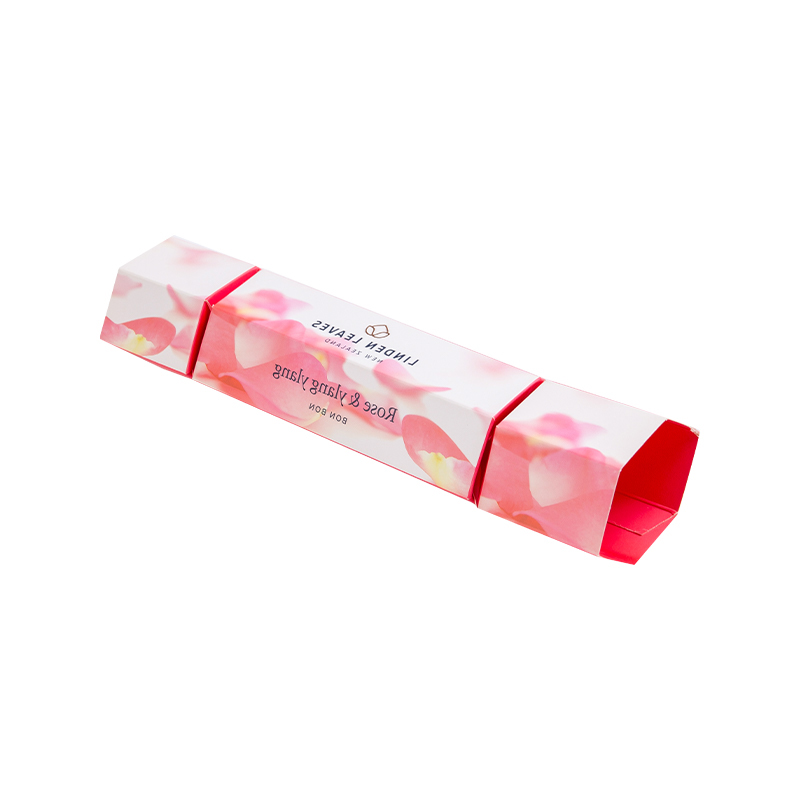
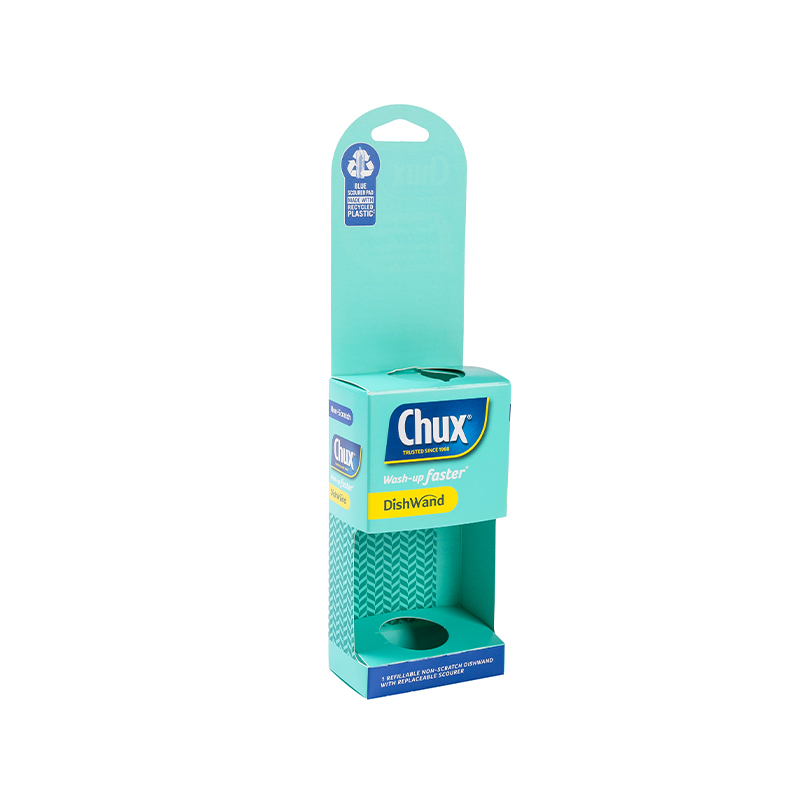 Wholesale Gift Tab Retail Packaging Box Packaging Carton With Hanging Hole And CSuZhou New Century Is China Wholesale Gift Tab Retail Packaging Box Packaging Carton With Hanging Hole And Clear PVC Window Suppliers, Gi...View Product →
Surface finish does more than sell the product. It protects the board around the hanger area. Lamination with matte or gloss polypropylene film adds a vapour barrier and resists scuffing, which matters because surface abrasion can wear printing down to raw fibre and open a path for moisture ingress. UV varnish, in contrast, gives rub resistance but very little moisture protection.
There is also a subtle handling issue: a very glossy finish is slippery. Boxes slide on hooks more easily and can be knocked off-angle by shoppers, which increases stress on the slot. A slightly matte finish can actually help the box stay seated on the peg.
For retailers and brand owners working on store-ready display packaging, these finishing decisions are as important as the flute choice or grammage.
Durability on a shelf is not the same as durability in a warehouse or a shipping container. The environment surrounding the box changes its mechanical behaviour.
Paper is hygroscopic. At high relative humidity it absorbs moisture and loses stiffness. A carton that passes quality inspection at 50 percent relative humidity can be visibly softer at 75 percent, a common condition in humid stores, coastal warehouses, and sea-freight containers. Moisture is the most frequently overlooked cause of hanging-box failure.
During distribution, boxes bounce, vibrate, and carry the weight of other boxes stacked above them. If the shipper layout puts stacking pressure directly on the hanger area, the slot can be crushed before the product reaches the store. Edge protectors, layer pads, or a shipper design that transfers the load to the side walls prevent this kind of hidden damage.
Shoppers rarely pull a hanging box straight up. They grab the bottom edge and pull at an angle, which multiplies the force on the slot. A slot engineered only for vertical lift-off will fail sooner under angled pull conditions, so the reinforcement around the slot must be robust enough for real-world handling.
The evolution of hanging hole packaging for retail has been driven by exactly these practical considerations: retailers need formats that stay functional through distribution, stocking, and shopper interaction.
Rather than relying on samples that were stored in a dry office, define the durability criteria in writing and confirm them with a production-trial run. The table below summarises the factors that matter most and the specifications to check.
| Factor | Typical failure | Specification to control |
|---|---|---|
| Board grammage and stiffness | Box bows; slot stretches under load | 300–350 g/m² solid board or E/B-flute corrugated with a stated stiffness value |
| Slot geometry | Corner tearing from stress concentration | Round or oval profile; 2–3 mm hook clearance |
| Edge distance | Tear-out of the top edge | Minimum 8–12 mm from slot to top edge, scaled to product weight |
| Die-cut tolerance | Misaligned slot; uneven loading | ±0.5 mm on slot position |
| Surface finish | Moisture softening; print scuffing | PP lamination or a moisture-resistant coating |
| Transport environment | Crushed hanger area in transit | Shipper layout with side-wall load transfer and edge protection |
Ask your supplier how they control creasing depth, how they manage die-cut tooling tolerances, and whether they can run a simple hang-and-pull test on a filled box. A factory that prints, laminates, and die-cuts in-house, as Suzhou New Century Color Printing does, can keep those parameters consistent across the whole production run rather than shifting responsibility between subcontractors.
The final point is simple: a hanging box is a loaded structure, not a printed envelope. Choose the board for the weight, shape the slot for the hook, protect the surface from moisture, and design the shipper for the road. Get those four decisions right, and the box will do its job quietly for the entire retail life of the product.
Gift tag retail packaging box carton with hanging hole and t... View More
Printed PP retail product packaging boxes are a high-quality... View More
Printed Colorful Candy Packaging Carton Box is a high-qualit... View More
The Gold and Silver Card Hand Cream Skin Cream Carton is a b... View More
No. 88, Zhiying Street, High-tech Zone, Suzhou City, Jiangsu Province, China.
+(86)-512-6575-0991
+(86)-13776090470

Copyright © SuZhou New Century Color Printing Co., Ltd. Custom Printed Colored Corrugated Boxes





 Français
 Español
 عربى