
Article Directory
A merchandiser walks the oral care aisle with a pegboard restocking list. Three toothpaste packs hang side by side. One has torn at the hole and sags forward. Another is scuffed from transit. The third still looks clean and sits straight on the hook. That third pack keeps the space; the other two get pulled.
That scenario is why the first conclusion of this guide is simple: the right retail hanging box packaging is selected by retail performance, not by packaging aesthetics alone. Board stiffness, hanging hole geometry, print toughness, and fixture compatibility decide whether your product stays on the shelf and on the shopping list.
If those four factors seem basic, the failure rate in stores says otherwise. Tear-outs, crooked hangs, and scuffed printing are common causes of markdowns and returns, and all of them are preventable at the design and material stage. For a closer look at how hanging-hole cartons are evolving in retail and environmental performance, the material choices below are the practical starting point.
The single most reliable rule: choose the box material after you know the maximum product weight, not before. The hole is the weak point, but the board is what keeps the whole package rigid.
For products under 200 g — lip balms, small cosmetic units, stationery, small hardware — a 250 to 300 gsm white card is usually enough. It prints well, creases cleanly, and keeps unit cost low. Do not expect it to hold much more; beyond this weight the card will bow and the hole will slowly deform under repeated hanging.
Products in the 200 to 500 g range (toothpaste multi-packs, hand creams, larger personal care items) need 350 to 400 gsm board. The stiffness gain matters more than the thickness itself: bending resistance increases roughly with the cube of board thickness, so a small grammage step changes sagging behavior noticeably.
Above 500 g — power tool accessories, bulk packs, hardware kits — switch to E-flute micro-corrugated board. The fluted layer provides crush resistance and keeps the box straight on a hook. If the product is heavy but small, combine the corrugated board with a reinforced hole or a glued plastic hang tab.
One structural option that solves many of these problems at once is a one-piece carton with a punched hanging slot. Our supermarket carton with a hanging hole is an example of a single-board design that keeps the top panel rigid enough for daily pegboard use.
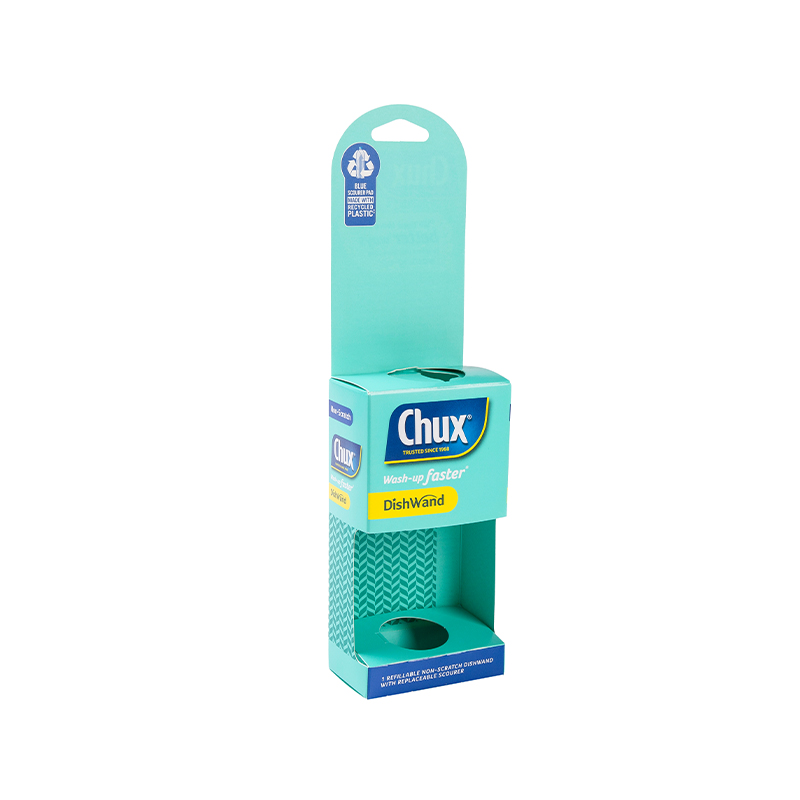 Wholesale Gift Tab Retail Packaging Box Packaging Carton With Hanging Hole And CSuZhou New Century Is China Wholesale Gift Tab Retail Packaging Box Packaging Carton With Hanging Hole And Clear PVC Window Suppliers, Gi...View Product →
Material choice is a trade-off between printing surface, rigidity, and resistance to handling. The table below groups the most common options for retail hanging boxes.
| Material | Grammage | Suitable product weight | Main advantage | Watch out for |
|---|---|---|---|---|
| White card | 250–300 gsm | Up to 200 g | Sharp printing, low cost | Sags if overloaded |
| White card | 350–400 gsm | 200–500 g | Good stiffness, smooth print surface | Requires clean die-cutting for the hole |
| E-flute corrugated | 350–450 gsm combined | Above 500 g | High strength and crush resistance | Thicker walls; print detail slightly reduced |
| PP-laminated board | 300–400 gsm | 200–500 g | Moisture resistant, scuff resistant | Film adds cost; must be well bonded |
If the product will be exposed to moisture — in a bathroom, near a sink, or in humid retail conditions — a film-laminated or PP hanging-hole supermarket packaging carton gives the printed surface an added protective layer that plain card does not have.
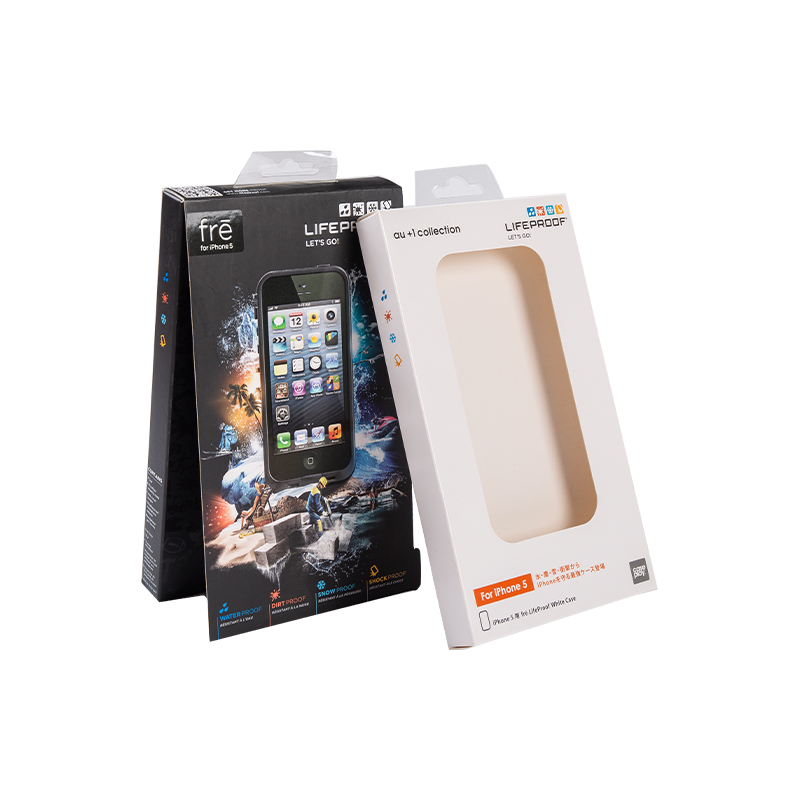 Wholesale Printed PP Retail Product Packaging Box Hanging Hole Packaging PackagiSuZhou New Century Is China Wholesale Printed PP Retail Product Packaging Box Hanging Hole Packaging Packaging Carton Suppliers, Printed ...View Product →
The hanging hole is the part of the box most likely to fail. A punched hole that is perfectly fine on a desk may tear after two weeks on a pegboard, especially when customers lift and replace the product repeatedly.
Standard retail pegboard hooks use a 1-inch (25.4 mm) spacing between holes. The punched opening in the box should be slightly larger than the hook diameter, but the distance from the edge of the hole to the top of the box should be at least 10 to 15 mm for typical cardboards. That edge distance, not the hole size, is what prevents tear-out. Insist on a die-cut tolerance around ±0.5 mm for this dimension.
For products above 300 g, consider a double-layer fold at the top panel, a glued reinforcement patch, or a plastic hang tab. These additions add pennies, but they prevent returns from stores that reject torn packaging. Ask your supplier for a physical sample and test it on the exact hook model your retailer uses.
Good print matters twice for hanging boxes: it attracts attention at the point of sale, and it must still look sharp after shipping, stocking, and weeks on a hook.
Offset printing gives the sharpest detail and the most controlled color, which is why most customized branded boxes run this way. Flexo is efficient for long runs and large solid areas, but for small text and fine gradients offset remains the safer choice. If your quantities are moderate, ask your supplier how box printing is planned for color consistency across your order.
Matte film suppresses glare and feels premium, but gloss film is more resistant to scuffing in rough handling environments. If you want both, combine a matte film with spot UV on the logo: the contrast looks deliberate, and the varnish protects the most visible area. For cosmetic products, soft-touch lamination adds perceived value, but verify that it will not mark easily under repeated handling.
For hanging boxes, the finish must also respect the hole area. A thick varnish or film that peels at the punched edge will be the first defect a store inspector notices.
Retailers do not redesign their fixtures for one brand. The box must fit the existing pegboard or display rail, respect the spacing of adjacent hooks, and keep the product readable at arm's length.
Before production, confirm three numbers: the hook diameter, the pegboard hole spacing, and the clearance between hooks in the planogram. Then verify that the product, once packed, does not push the box away from the backboard; a heavy product on a low-quality box hangs like a lever and can pull the hole through the board.
When the same product needs to work on a shelf, a hook, and a display endcap, look at efficient retail display solutions such as PDQ boxes. A well-designed hanging panel can also be perforated so the pack converts into a free-standing display unit. For stock that works both ways, a supermarket display box that goes straight onto the shelf reduces the need for additional fixtures.
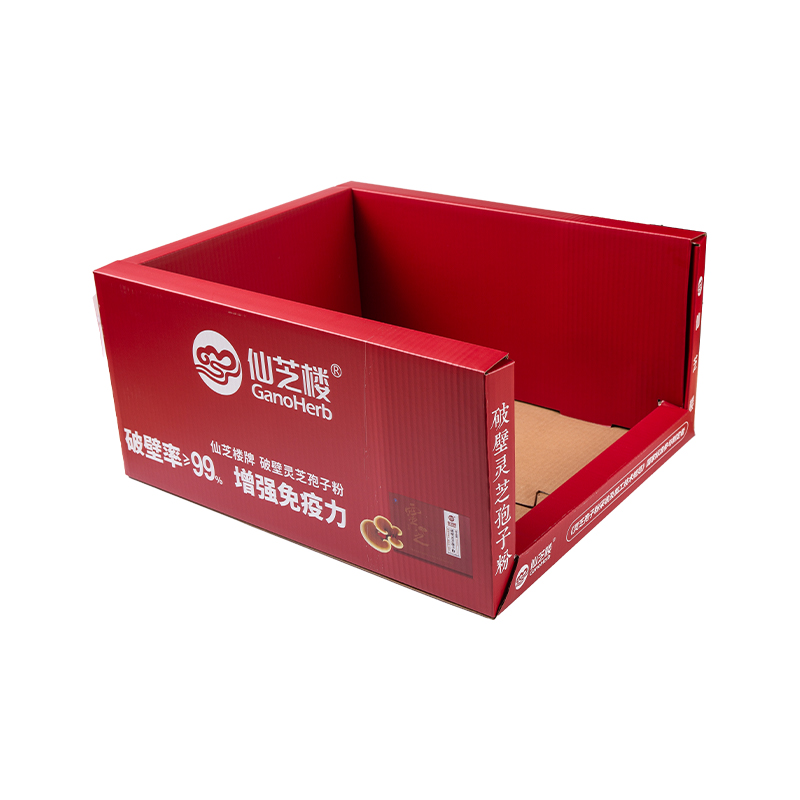 Wholesale Supermarket Display Printing Packaging Boxes Suppliers, Factory, CompaAs China Supermarket Display Printing Packaging Boxes Suppliers Factory And Company, Suzhou New Century Color Printing Co., Ltd Professio...View Product →
The difference between a good hanging box order and a costly one is usually visible before mass production.
Retail hanging box packaging is a small piece of the supply chain, but it is the piece that protects your product at the exact moment the purchase decision happens. Choose the board for the weight, design the hole for the hook, protect the print with the right finish, and verify the whole package with a physical sample. Those four steps will keep your product hanging straight, clean, and visible long after the display is stocked.
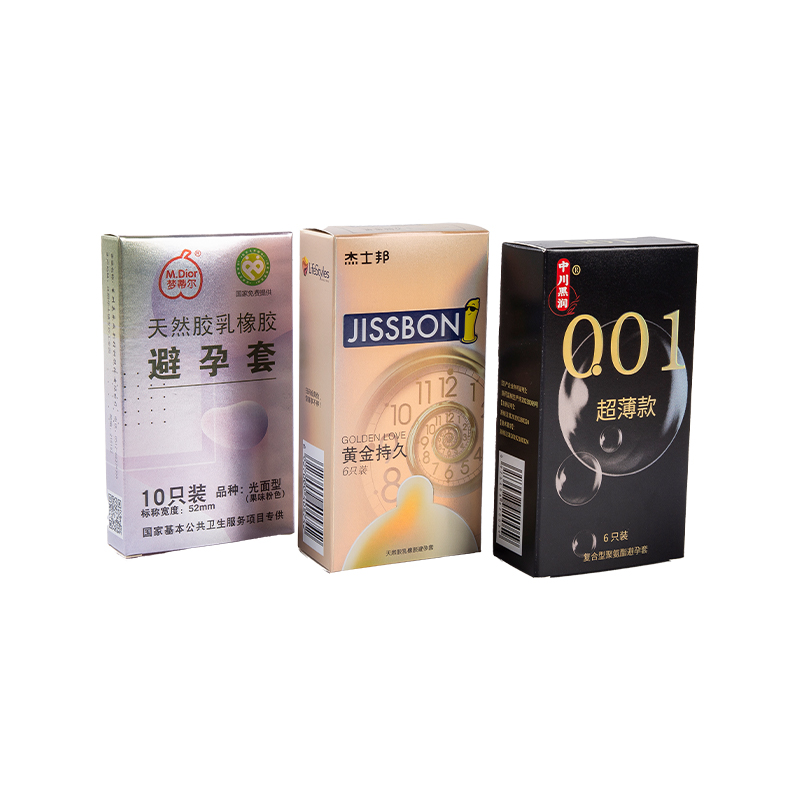
Adult product packaging boxes are designed to meet a variety... View More
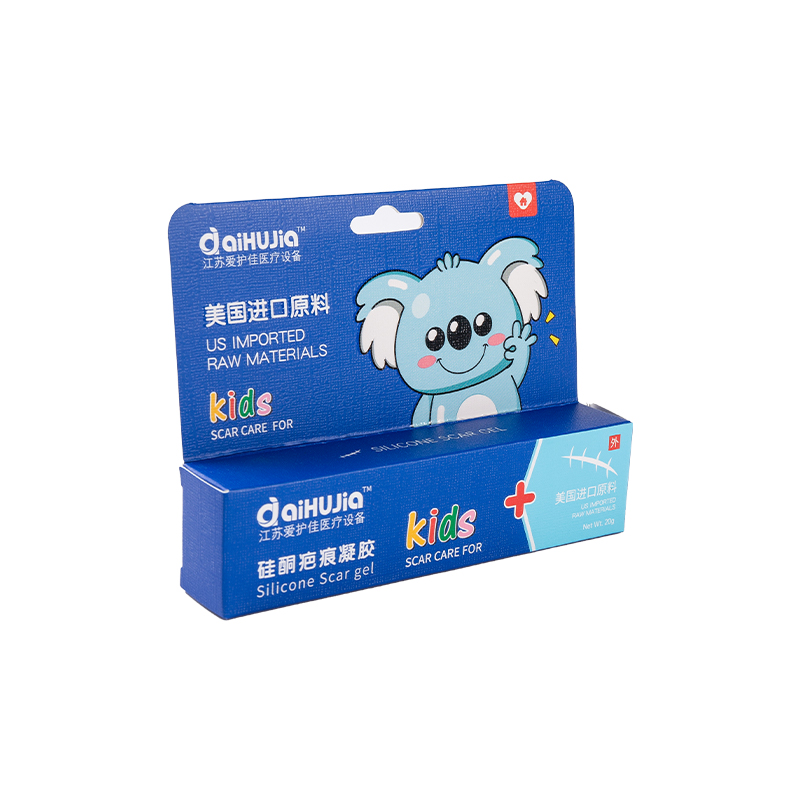
Gift tag retail packaging box carton with hanging hole and t... View More
Printed PP retail product packaging boxes are a high-quality... View More
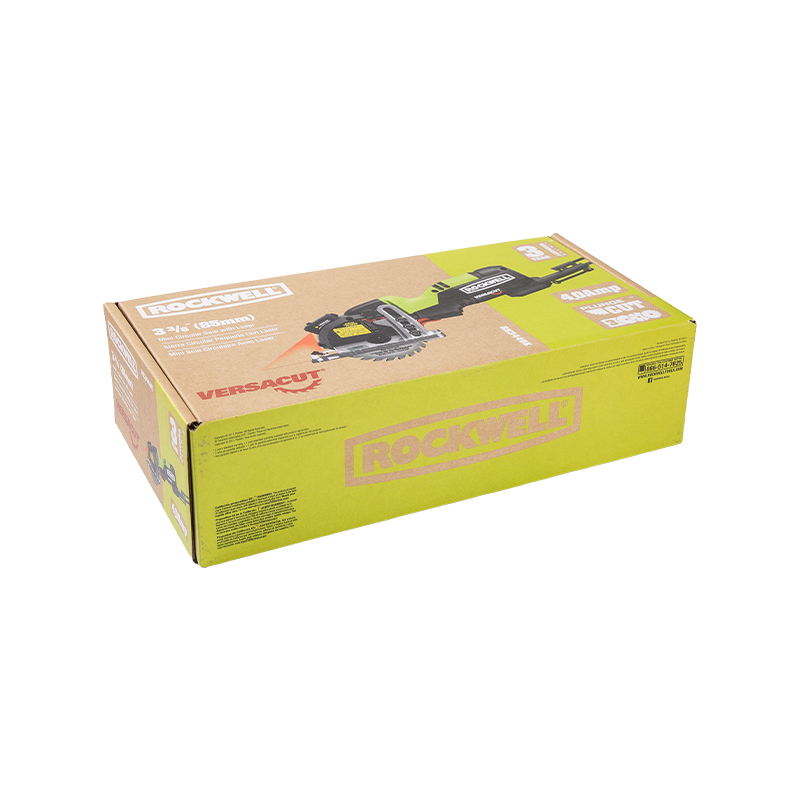
Our custom designed home appliance packaging cartons provide... View More
No. 88, Zhiying Street, High-tech Zone, Suzhou City, Jiangsu Province, China.
+(86)-512-6575-0991
+(86)-13776090470

Copyright © SuZhou New Century Color Printing Co., Ltd. Custom Printed Colored Corrugated Boxes





 Français
 Español
 عربى
عربى