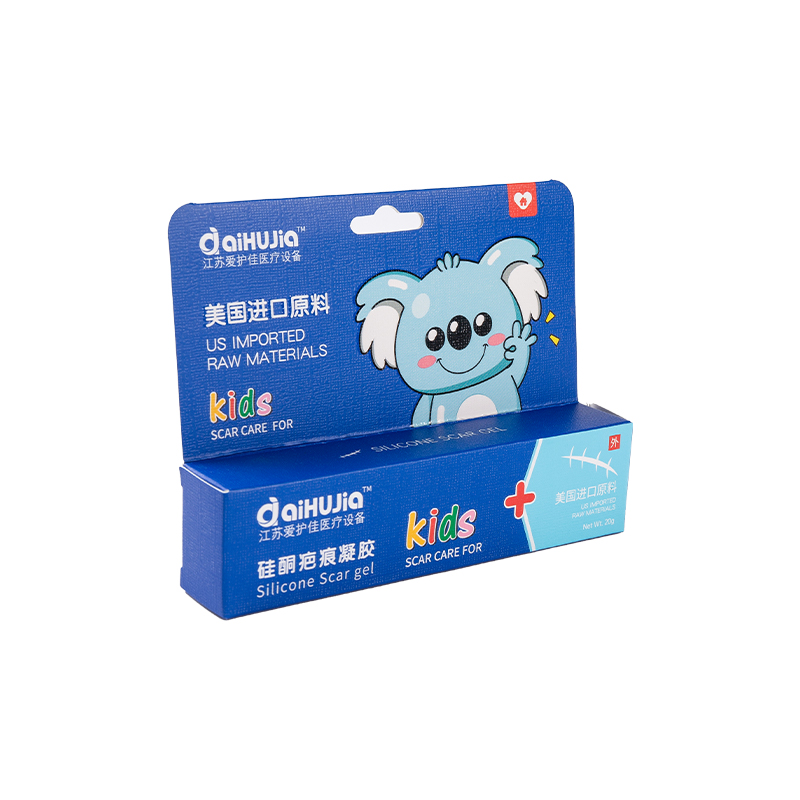
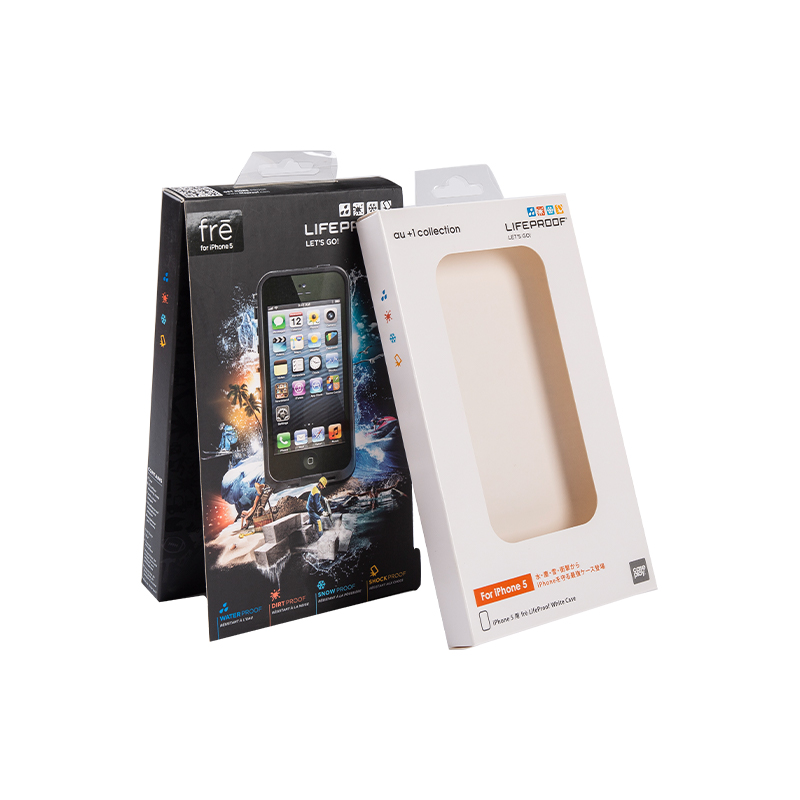
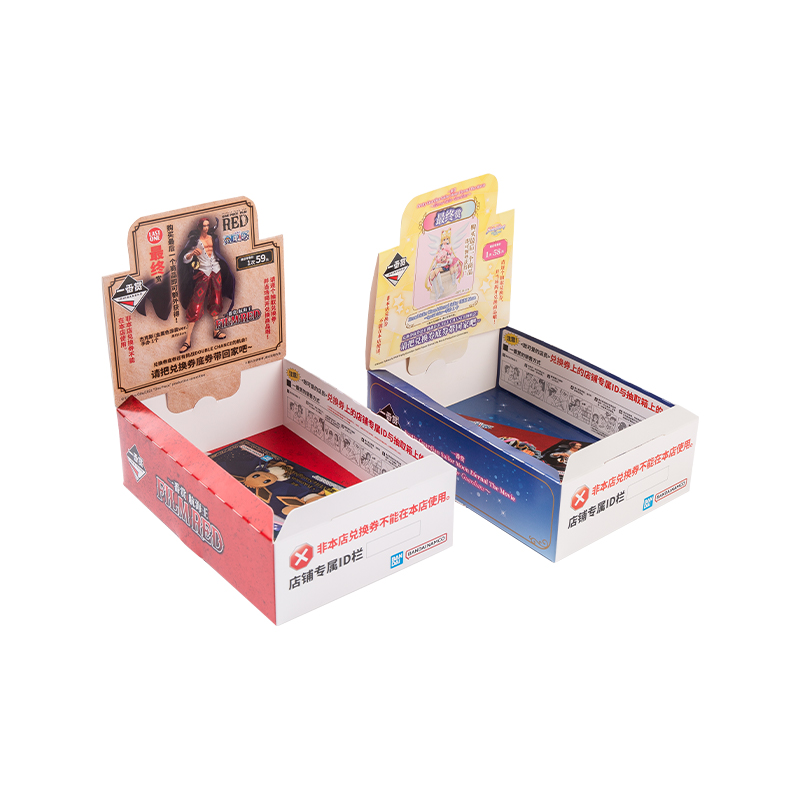
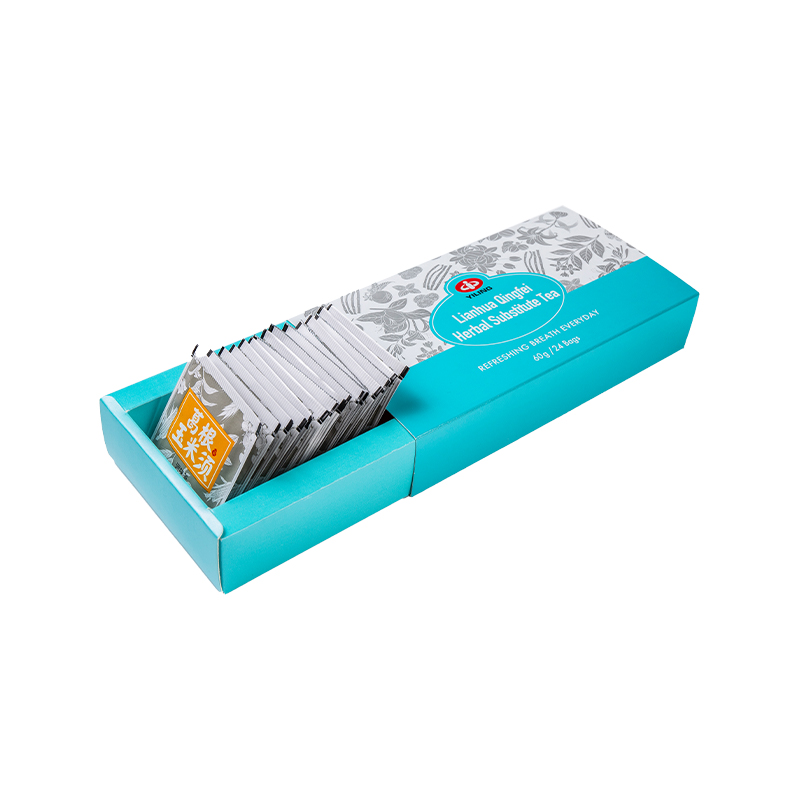
Retail hanging box packaging is a folding carton built with a euro slot or hanging tab so the finished package can move straight from the production line onto a pegboard, hook, or display rack — no secondary display packaging required. That single structural feature is why retail hanging box packaging has become a default choice for hardware, electronics, beauty, and household products sold through pegboard-driven retail.
01
A hanging box is packaging and merchandising fixture combined: the euro slot carries the product's full weight on a hook, while the printed carton carries the brand's full visual presentation.
01What Is Retail Hanging Box Packaging?
The structure is a folding carton with a die-cut hanging hole, hanging tab, or euro slot sized to standard pegboard and slatwall hooks. Board thickness, tab reinforcement, and slot placement are chosen based on product weight and the display orientation the retailer expects.
Structure and Display Function
Die-cut hanging hole or euro slot
Reinforced hanging tab for heavier items
Direct compatibility with pegboard, hooks, racks
Protection and Presentation
Product protection during shipping and shelf life
Brand graphics and product information printed in place
No separate display packaging needed at retail
02Applications by Product Category
Hanging box packaging fits any small or medium product sold on a hook rather than a shelf. The structural priority changes by category, even when the hanging mechanism stays the same.
Hardware and tools: small hand tools, fasteners, and DIY accessories, where hole reinforcement and load capacity matter most.
Electronics and accessories: cables, peripherals, and small devices, where product protection and clear windows matter most.
Beauty and personal care: accessories and small tools, where brand graphics and product information matter most.
Household products: kitchen, cleaning, and home improvement accessories sold in high volume.
Small consumer goods: stationery, craft supplies, and other lightweight packaged items.
Relative Load Demand on Hanging Hole by Category
Approximate hanging-hole load demand by product category, used to set board thickness and tab reinforcement.
03Retail Environments and Display Impact
The same hanging structure performs differently depending on where it is displayed. Pegboard and hook systems remain the core use case, letting a single box design serve supermarket aisles, convenience store endcaps, and specialty hardware or electronics stores alike. Promotional and seasonal programs also rely on hanging boxes because a new graphic run can go straight onto existing hooks without changing the fixture.
100%Vertical wall and pegboard space usable versus flat shelf storage
1Package handles both protection and display — no secondary packaging
4+Retail formats served by one hanging box design
04Key Features That Determine Performance
Four features decide whether a hanging box performs on the shelf: hanging tab and die-cut precision, board material and structural strength, printing and branding quality, and — where relevant — a product window for direct visibility. Getting the euro slot size and tab position wrong is the most common point of failure, since it directly affects hook compatibility and load-bearing capacity.
Box Feature
Primary Function
Key Consideration
Hanging tab / euro slot
Hook compatibility, load bearing
Size and reinforcement
Board material
Structural strength
Thickness vs product weight
Printing and branding
Brand presentation
Colors, finish, barcode placement
Product window
Direct product visibility
Die-cut or film window
05How to Choose the Right Hanging Box
1
Confirm product size and weight to set internal space and hanging load.
2
Select a box structure — folding carton, window box, or multi-compartment design.
3
Check hanging system compatibility against the retailer's euro slot and hook standards.
4
Confirm printing and brand requirements, including finish, color count, and product information.
06Evaluating a Reliable Supplier
A dependable retail hanging box packaging supplier should demonstrate consistent board and printing quality, accurate die-cutting and folding across production runs, real custom design capability, and documented quality control at bulk volumes. Buyers who skip these checks most often run into weak hanging holes, inconsistent dimensions, or packaging that ignores the target retailer's display requirements — mistakes that surface only after the product is already on the hook.
Frequently Asked Questions
What is the difference between a hanging tab and a euro slot?
A hanging tab is a reinforced flap for lighter items on a simple hook, while a euro slot is a standardized die-cut hole sized to fit common pegboard and slatwall hook systems used across most retail chains.
Which products are best suited to retail hanging box packaging?
Small to medium products sold by weight class rather than shelf footprint — hardware, electronics accessories, beauty tools, household items, and stationery — are the most common fits.
How does hanging box packaging affect retail space utilization?
It shifts product storage from flat shelf space to vertical pegboard and wall space, letting retailers display more units in the same footprint.
What causes most hanging box packaging failures at retail?
Underestimating hanging hole strength relative to product weight is the most frequent cause, followed by ignoring a specific retailer's hook and display requirements.









 Français
 Español
 عربى