
Article Directory
A packaging manager for a consumer goods brand clips a filled hanging box onto the test pegboard, steps back, and looks along the shelf. The box tilts a few degrees to one side. The hanger slot has a slightly frayed edge, and the crease across the top panel folds unevenly, making the whole carton look unbalanced. The printed artwork was approved weeks ago, and the colour pass looked correct on press. Yet here, in the final retail condition, the box fails. The cause is not design or print. It is the quality of the die cutting.
Die cutting is the process that defines every functional edge of a hanging box. It creates the slot that connects the carton to the store fixture, the creases that form the box shape, and the perforations that control how the package opens. For brands that rely on pegboard display, die cutting is where packaging design truly succeeds or fails.
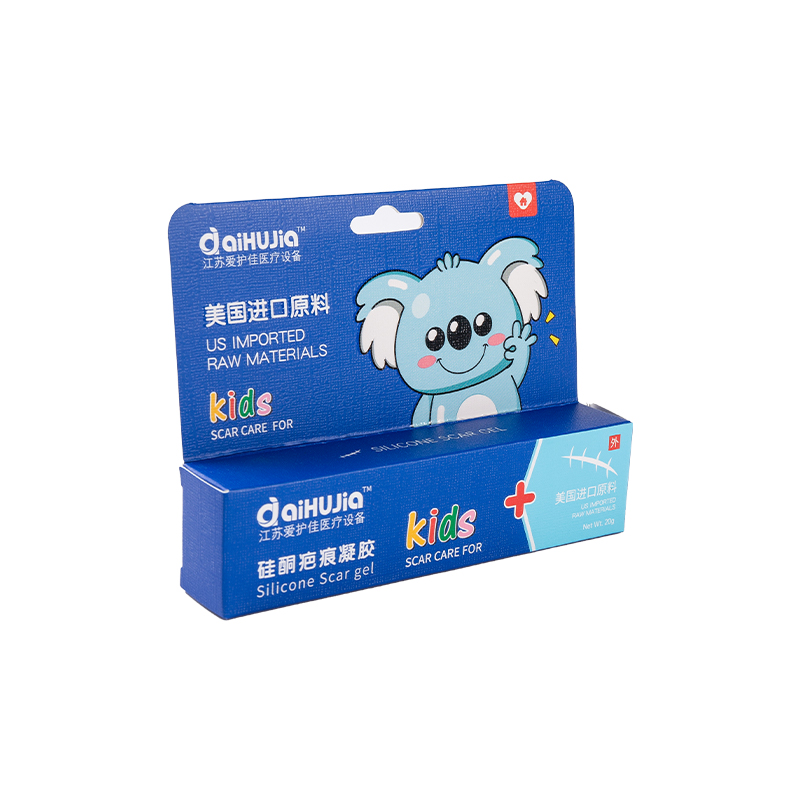
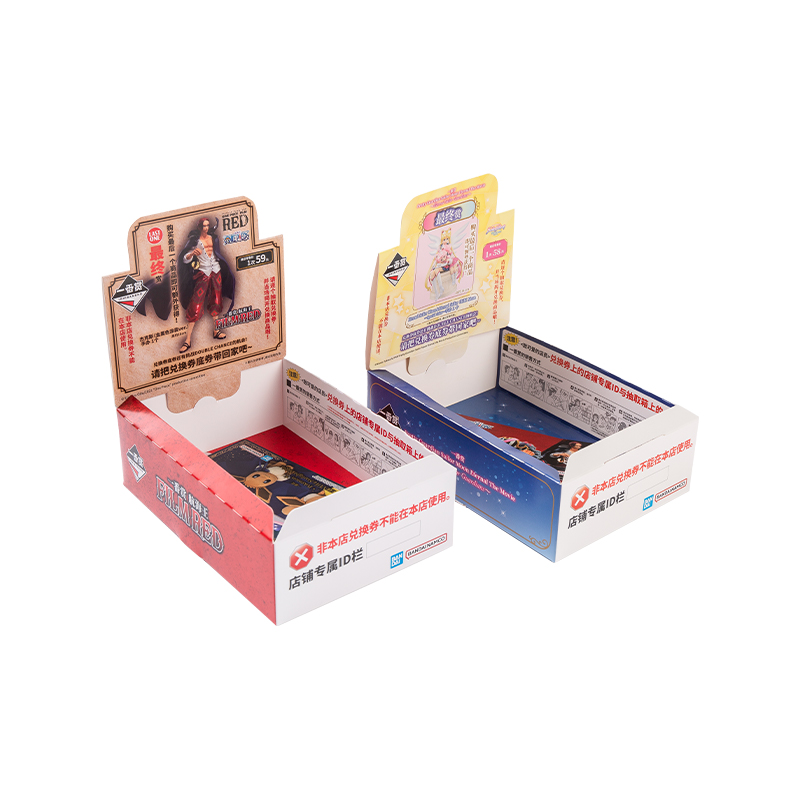
Hanging boxes are used in supermarkets, convenience stores, pharmacies, and discount retailers, where brands use peg hooks to present products such as batteries, cosmetics, hand tools, pet accessories, confectionery, and everyday household items. These packages must hold the product securely, communicate the brand clearly, and carry the product’s weight on a metal hook or clip strip for days or weeks at a time.
Die cutting shapes the flat printed sheet into a carton blank with all the functional features:
Each feature serves a different purpose, but they all share one non-negotiable requirement: accuracy. If any of them drifts from the approved specification, the finished box behaves differently in the store. This is why the growing industry discussion of hanging-hole packaging cartons and environmental protection is closely tied to die-cutting discipline: as designs lean toward lighter materials and simpler structures, precise cutting becomes even more important.
The hanger slot is the most visible die-cut feature on a hanging box. When the slot is clean, with sharp edges and a stable width, the box slides smoothly onto the hook and stays in position. When the slot is rough, oversized, or micro-cracked, the package shifts, tilts, or even drops when the product is stocked.
Die cutting achieves a clean slot through a steel rule blade that is bent to match the slot’s exact shape, mounted in the die board, and pressed against the carton board under controlled pressure. The blade must cut through the full board thickness without cutting too deeply into the backing or leaving uncut fibres along the edge. Blade sharpness, cutting depth, and stripping tooling all affect the result.
As the slot must also resist repeated handling, some designs use reinforced materials around the hanging area. For higher-strength retail packs, a laminating film can be applied before cutting; this is the logic behind our PP hanging-hole supermarket packaging carton, where the laminated surface improves tear resistance while the die-cut geometry around the slot stays clean and dimensionally stable.
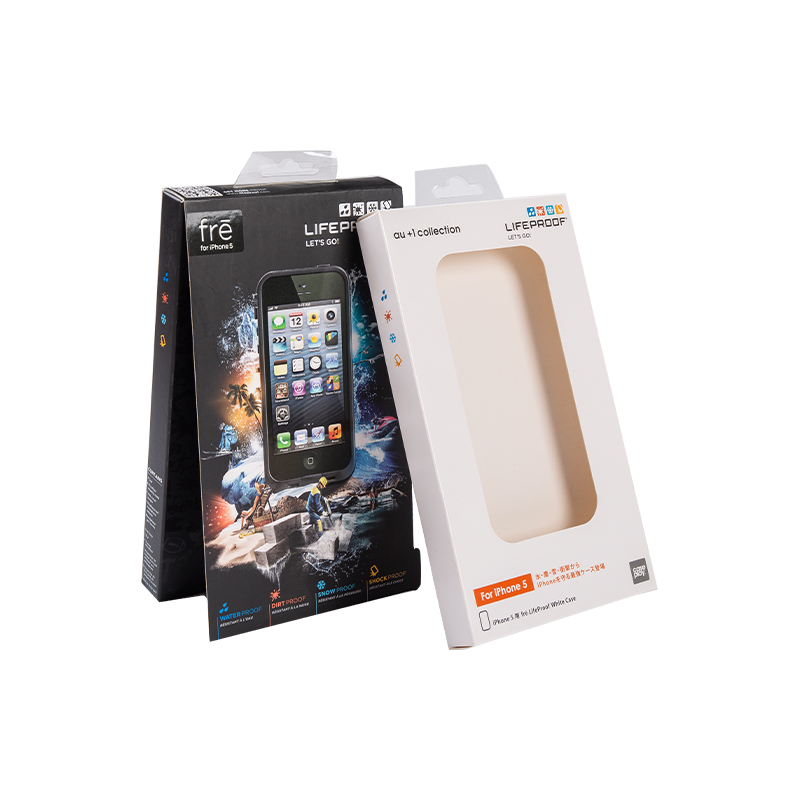 Wholesale Printed PP Retail Product Packaging Box Hanging Hole Packaging PackagiSuZhou New Century Is China Wholesale Printed PP Retail Product Packaging Box Hanging Hole Packaging Packaging Carton Suppliers, Printed ...View Product →
A hanger slot catches the eye, but crease lines determine whether the carton actually performs. Creases define where the box folds, how flat the panels lie, and how rigid the final structure is. In hanging box production, creasing deserves the same attention as cutting.
A crease that is too shallow forces the board to resist folding, which often leads to cracking of the outer paper layer and a box that springs open. A crease that is too deep weakens the board, allowing the panels to collapse and reducing the box’s stiffness on the hook. Both defects are easy to miss during quick sample reviews, but they become obvious after the box has been hanging for a few hours.
In a well-executed hanging box, creases are visible on every fold line, the front and back panels align within a small tolerance, and the hanger slot is positioned symmetrically relative to the top edge. The crease above the slot does double duty: it folds cleanly while supporting the mechanical load of the product. If the crease position shifts even slightly, the front panel can bow or the box can lean, which directly affects how consumers judge product quality.
The structural behaviour of printed cartons has been analysed in detail across different product categories, and much of that knowledge applies to hanging boxes. A practical review of structural design features of printed paper cartons for daily-use products can help a brand anticipate crease-related failures before committing to the production die.
Hanging boxes are mass-produced in large batches, and the first-piece approval is meaningless unless the same quality is repeated throughout the run. That comes down to tolerance control. Small changes in cut dimensions create visible problems at the point of sale.
| Feature | Typical Control Range | Problem When Outside Range |
|---|---|---|
| Hanger slot width | ±0.3 mm | Box rattles on hook or is difficult for staff to install |
| Crease-to-slot distance | ±0.5 mm | Top panel misaligns, weight distribution becomes uneven |
| Window cutout | ±0.5 mm | Transparent film misaligns with the printed opening |
| Perforation strength | Blade depth control | Ragged opening if too deep, difficult opening if too shallow |
The acceptable range depends on material, carton size, and the hook type used by the retailer. A supplier that holds these tolerances across a full production run is more dependable than one that only delivers an accurate first sample. In practice, this means the factory should check slot widths and crease positions during production, not only at the sampling stage.
This tolerance mindset applies across die-cut packaging formats, not just hanging boxes. Experience from die-cut tolerance quality control in PDQ display boxes shows that dimensional consistency is what keeps retail packaging functioning under repeated handling and on different fixtures. The same standards are used by our production team on fine-detail cut work, such as the 400g white card lollipop PDQ paper display box, where locking tabs and slot positions fall within a tight band.
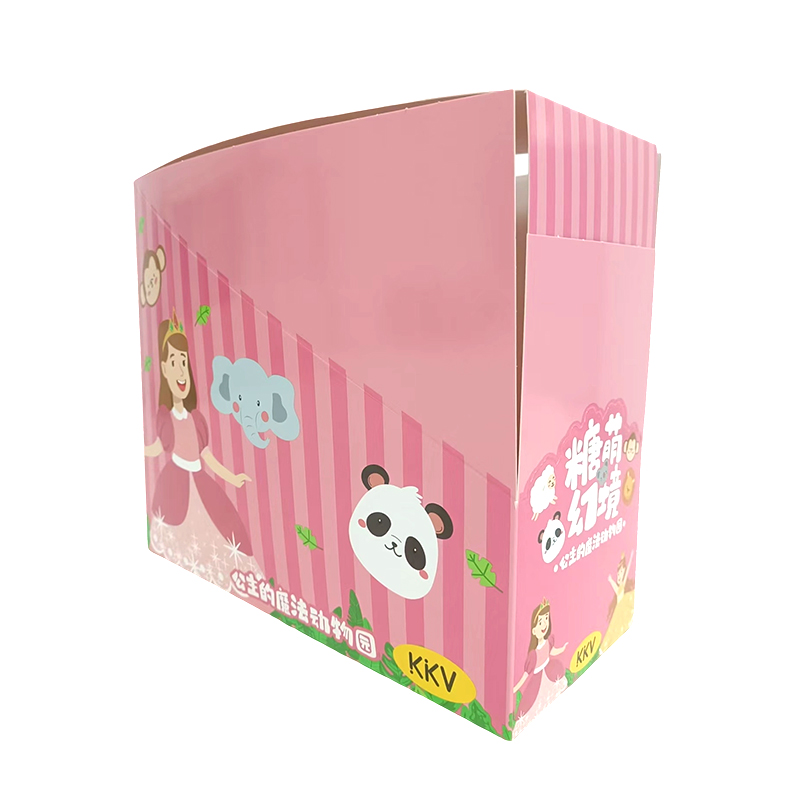 Wholesale 400g white card printing and re-brightening film, lollipop PDQ paper dSuZhou New Century Is China Wholesale 400g white card printing and re-brightening film, lollipop PDQ paper display box Suppliers, 400g wh...View Product →
Hanging boxes are normally converted from folding carton board, white card stock, or micro-flute corrugated board. Each material responds differently to the die-cutting process, and the die setup must be matched to the material that will be used in the actual production batch.
It is worth asking the supplier how the die will be adjusted when the board or surface finish changes. A die that works well on uncoated white card may produce chipped edges or cracked creases on a laminated board. This becomes a practical concern for branded retail packs, where visual quality and structural reliability must be delivered at the same time. A supermarket-ready design, such as the supermarket carton with hanging hole, typically combines a coated or laminated surface with careful die-cut tuning so the printed area stays protected and the hanging area remains clean.
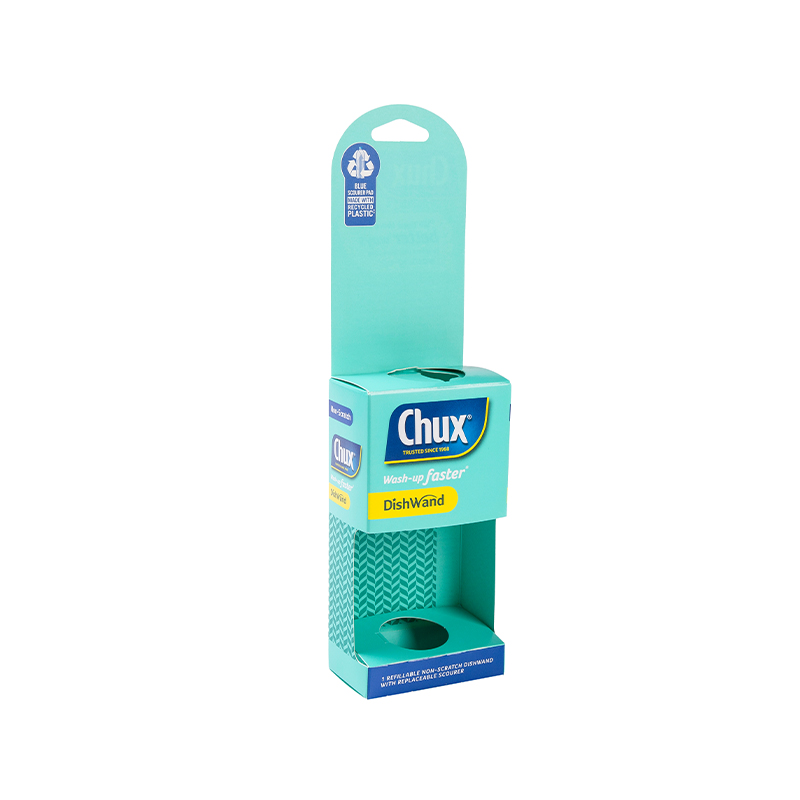 Wholesale Gift Tab Retail Packaging Box Packaging Carton With Hanging Hole And CSuZhou New Century Is China Wholesale Gift Tab Retail Packaging Box Packaging Carton With Hanging Hole And Clear PVC Window Suppliers, Gi...View Product →
A supplier’s ability to control die cutting is visible in the finished carton. When reviewing samples or preparing for a production audit, brands should check the following points:
These checks take little time but prevent costly surprises in the store. A hanging box that fails on the pegboard damages the brand in front of the shopper, and the root cause is often a die-cut detail that was missed during the sample review.
A hanging box succeeds when it does its job quietly. The shopper sees the brand, the product, and the price. The box hangs straight, stays stable, and survives the handling of store staff and curious customers. All of that depends on the skill behind the die-cutting process. From blade geometry and crease depth to tolerance control and material-specific setup, die cutting is what turns a printed sheet into a package that performs on the retail floor.
For brands planning a new hanging box, the practical recommendation is to evaluate die-cutting capability as seriously as the visual design. The print gets the attention, but the die cut wins the sale.
Printed PP retail product packaging boxes are a high-quality... View More
Gift tag retail packaging box carton with hanging hole and t... View More
The outer packaging box is designed for blind boxes, prize r... View More
Electronic Products Packaging Design Carton Boxes Packaging ... View More
No. 88, Zhiying Street, High-tech Zone, Suzhou City, Jiangsu Province, China.
+(86)-512-6575-0991
+(86)-13776090470

Copyright © SuZhou New Century Color Printing Co., Ltd. Custom Printed Colored Corrugated Boxes





 Français
 Español
 عربى
عربى