
Article Directory
Custom printed packaging boxes are folding cartons or corrugated containers manufactured to a specific product's dimensions, weight, and brand requirements. They combine structural engineering, print quality, and cost control. The correct choice depends on how the package will be handled, displayed, and opened.
The framework below follows five steps: define the physical profile, select printing and finishing, choose structural features, confirm compliance and protection, then audit the supplier. Use it when briefing a packaging manufacturer or comparing quotations.
Board grade and flute profile are decided by compression and drop requirements, not by how the design looks on screen. A beautiful box that buckles under stacking pressure is a wasted investment.
Light, rigid products such as cream jars, tea tins, and phone accessories belong in 300-400 gsm white card folding cartons. Add a PET window when the buying decision depends on seeing the product. Midweight products up to about 5 kg, including electronics and food deliveries, need E-flute or B-flute corrugated for crush resistance without sacrificing print quality. Heavy products from 5 kg upward take C-flute or BC double-wall corrugated, usually with locked corners and die-cut dividers.
Fragility is a separate axis from weight. A 2 kg glass bottle of aromatherapy oil needs a stronger insert than a 3 kg cast-iron tool. Dividers, foam pads, or molded pulp inserts stop internal movement, while edge protectors resist external stacking pressure.
| Board or flute grade | Suitable net weight | Typical applications | Main limitation |
| 300-400 gsm white card | up to 0.5 kg | cosmetics, tea, tissue, small gifts | low stacking strength |
| E-flute corrugated | up to 4 kg | takeaway food, display cartons, cards | limited cushioning depth |
| B-flute corrugated | up to 8 kg | electronics, beverage multipacks | thicker blanks reduce storage efficiency |
| BC double-wall | 8-20 kg | power tools, appliances, bulk shipping | higher material cost and freight weight |
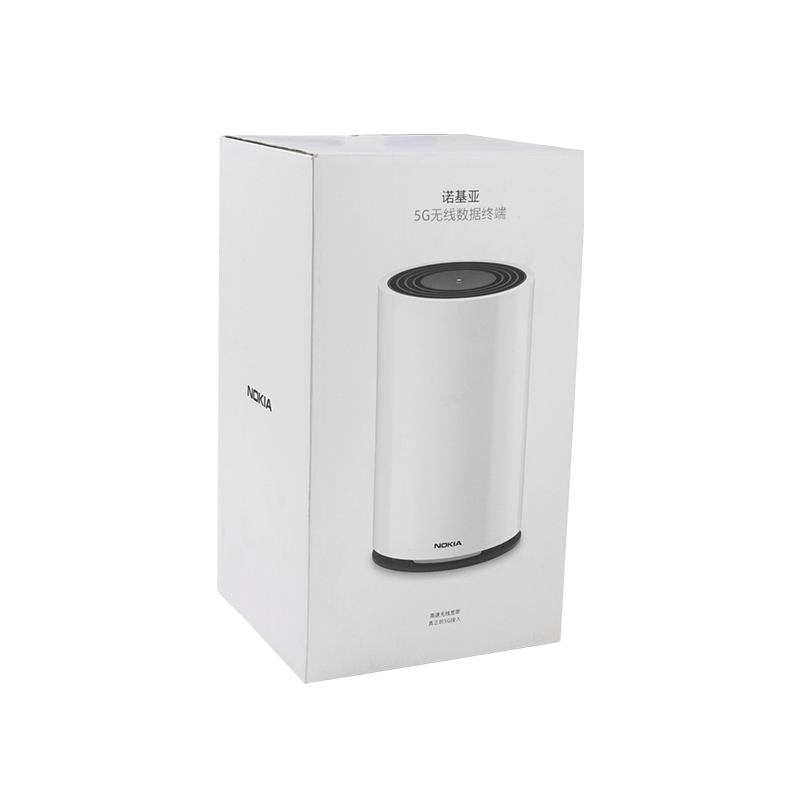 Customized Carton Packaging for Electronic ProductsThis packaging solution addresses fragile electronics with internal dividers and edge protection, while the finish aligns with retail shelf expectations for durability and perceived quality.View Product →
The surface finish communicates the price-quality relationship a consumer expects at the shelf, during unboxing, or at a gift exchange. Decide the finish after the retail context, not before it.
Mass-market daily goods suit a matte film with local UV: durable, low-glare, and fingerprint-resistant at high volume. Premium cosmetics and aromatherapy lines respond better to silver card with nano UV or hot stamping, which delivers metallic depth and a soft-touch feel. Food brands must prioritize food-safe inks and coatings, because a stunning varnish is worthless if it fails migration tests or delays production.
| Finishing combination | Visual and tactile effect | Best product fit | Cost position |
| Matte film + hot stamping | soft-touch surface, metallic logo | aromatherapy, chocolate, gift sets | high |
| Partial screen UV + hot stamping | raised gloss contrast on matte field | wine, premium cosmetics | high |
| Silver card + nano UV + PET film | mirror-like metallic depth | face masks, serums, luxury creams | highest |
| Matte film + local UV | subtle contrast, scratch-resistant | daily consumer goods, household items | mid |
Definition: nano UV printing deposits ultra-thin, UV-cured ink layers that dry immediately, allowing fine line detail and raised glossy effects on coated board. Combined with reverse UV varnishing, it creates the matte-and-gloss contrast that premium unboxing relies on.
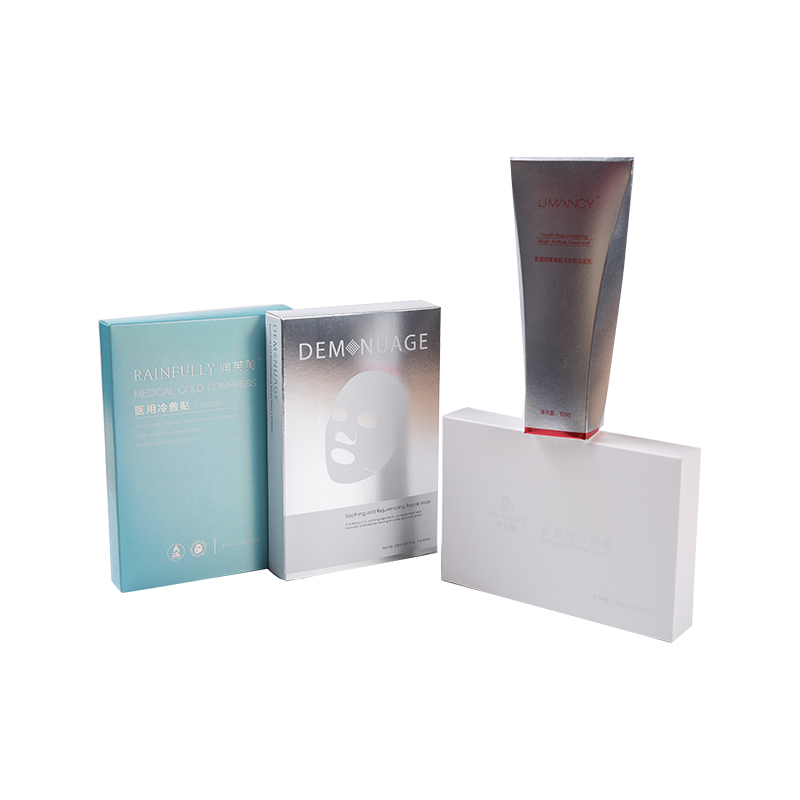 Nano UV Printed Silver Cardboard Mask CartonDesigned for premium mask presentation, this carton uses a reflective silver base and nano UV printing for sharp graphics, scratch resistance, and a high-end feel suited to cosmetics.View Product →
Structure determines assembly speed, product protection, and shelf visibility, so it must be decided before the artwork is finalized. Structure also decides cost per unit.
A PET transparent window turns a closed carton into a product showcase for food, cosmetics, and toys. Hanging holes or Euro-slots allow hooks on retail fixtures. Tearable perforation lets a shipping carton convert into a counter display and removes one packaging layer. For e-commerce, easy-open tabs reduce damage during unboxing and lower return rates.
Priority is visual impact: color accuracy, window visibility, and quick restocking. Board can be lighter because stacking height is low.
Priority is protection: stacking strength, puncture resistance, minimized void fill, and easy opening for the buyer.
Priority is experience: surface finish, unboxing sequence, internal fit, and structural rigidity that signals value.
Regulatory, safety, and protection demands differ by product category, so they must be verified before tooling begins. Compliance failures are more expensive than any packaging redesign.
Food packaging needs food-contact-grade board and inks, grease resistance for fried or oily items, ventilation for hot takeaway, and tamper-evident construction. Cosmetic packaging must avoid direct ink contact with creams and use coated board or silver card to block oil migration. Electronics packaging needs cushioning inserts, corner reinforcement, and in some cases anti-static materials. These requirements often add tooling cost, but skipping them creates field failures.
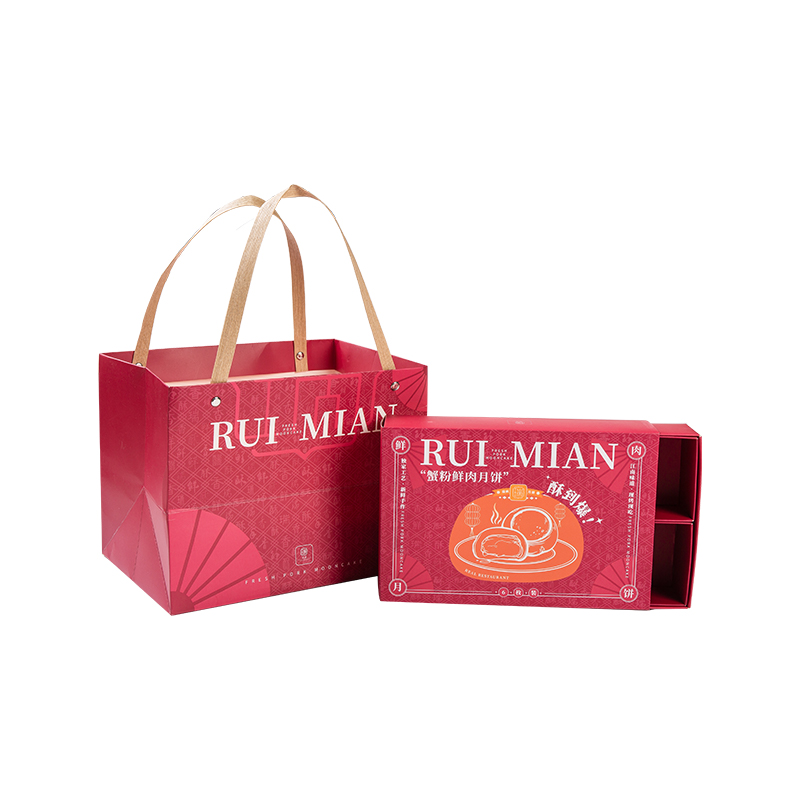 Fast-Folding Food Packaging Cartons with Custom ColorsThese cartons support food-grade safety and efficient assembly, with customizable colors to match brand needs, backed by a manufacturer capable of consistent large-scale production.View Product →
The supplier's machines, quality control, and geography determine whether your specification is reproduced consistently at scale. A great design file means nothing without a production line that can hold tolerances.
Prefer a manufacturer you can visit or whose capabilities are documented. SuZhou New Century Color Printing Co., Ltd., a council member of the Jiangsu Printing and Packaging Industry Association, runs a 26,000 sqm plant in Suzhou. Its equipment includes a German-made KBA seven-color online offset press and a fully computerized four-color water-based printing and slotting machine for corrugated board. The company was recognized by Stanley Black & Decker as its 2024 outstanding supplier, which indicates it has passed strict procurement audits.
For creams, masks, and serums up to about 0.5 kg, use 300-400 gsm white card, often upgraded to silver card with nano UV or matte film with hot stamping. The board is rigid enough for shelf display and light shipping, while the finish carries the premium price signal.
Only if the structural features cover both journeys: a tearable display carton with high stacking strength, a window or strong print panel for the shelf, and perforated easy opening for the buyer. Many brands run two versions because stacking and puncture requirements differ significantly.
MOQ depends on board, tooling, and finishing. Simple white card cartons start at lower quantities, while silver card with nano UV and hot stamping needs higher volumes to amortize make-ready and tooling cost. Ask the supplier for a quantity break table before finalizing the design.
Review the equipment list, request printed proofs, and run a pilot batch. Check whether reputable brands have audited the factory, as demonstrated by SuZhou New Century Color Printing's 2024 outstanding supplier recognition from Stanley Black & Decker, and confirm the logistics route to your warehouse.
Customizable Shapes Corrugated Paper Display Boxes & Car... View More
Printed PP retail product packaging boxes are a high-quality... View More
The Home Textile Products Packaging Carton is a specialized ... View More
Electronic Products Packaging Design Carton Boxes Packaging ... View More
No. 88, Zhiying Street, High-tech Zone, Suzhou City, Jiangsu Province, China.
+(86)-512-6575-0991
+(86)-13776090470

Copyright © SuZhou New Century Color Printing Co., Ltd. Custom Printed Colored Corrugated Boxes





 Français
 Español
 عربى