
Article Directory
A 0.8 mm shift in die-cut position is enough for a retail distribution center to reject a full order of folding cartons, even when the printed colors match the approved proof. Retail buyers measure that shift, log it against a chargeback, and hold the supplier responsible for the entire failed shipment. Retail box manufacturing quality standards exist to keep those failures measurable and preventable before the first pallet leaves the factory.
A retail box quality standard is a written specification that fixes the minimum acceptable performance of a box across five measurable categories: substrate materials, dimensional tolerances, print and surface finish, structural strength, and retail-ready or regulatory compliance.
A standard only becomes useful when it can be tested. "Consistent color" means nothing in a warehouse dispute; a reading such as Delta E of 2.0 or below means a spectrophotometer comparison that both sides can verify against the approved proof. The same principle applies to board weight, flute grade, crease depth, compression strength, and adhesive bond.
Retail quality agreements normally list these categories as checkpoints in the supplier's manufacturing plan:
Board grade sets the strength ceiling of a box before any printing or die-cutting starts, which is why material verification is the first check in a retail quality program.
Folding cartons typically use 300 to 450 gsm white card. Higher grammage produces stiffer creases and better stacking on a shelf; lower grammage suits lighter packs such as blister-backers and cosmetic cartons. Corrugated boxes are defined by flute grade, because flute geometry controls edge crush resistance and cushioning.
Folding Carton
Corrugated Box
A practical comparison of material acceptance criteria looks like this:
| Material attribute | Folding carton acceptance | Corrugated box acceptance |
| Board weight | 300 to 450 gsm white card | 125 to 250 gsm liner per side |
| Caliper check | +/- 0.03 mm per layer | Matches flute specification |
| Flute grade | Not applicable | E, B, C, or double wall |
| Strength test | Crease and fold performance | ECT and BCT |
| Typical retail use | PDQ, window, cosmetic boxes | Shipping, mailer, display |
Color consistency is the most visible quality gate in retail box manufacturing, and the accepted industry reference is Delta E of 2.0 or below between the approved proof and the production box.
Color is verified with a spectrophotometer on a printed control patch, not by comparing samples under office lighting. Multi-color registration is normally held to 0.15 to 0.3 mm; beyond that, white edges appear around text and fine lines. Surface finish adds separate acceptance criteria: lamination must not delaminate along the crease, UV coating must resist rub without fingerprinting, and hot-stamp foil must adhere without edge lifting.
Specialty surfaces raise the quality bar because the finish is part of the brand's shelf message. A supplier that runs silver cardboard nano UV printed mask cartons as a standard product demonstrates that its process control covers both color and surface layers. When sourcing, ask how the printer manages color across plates, proofs, and press curves; the method is explained in our guide to color consistency in printed paper cartons.
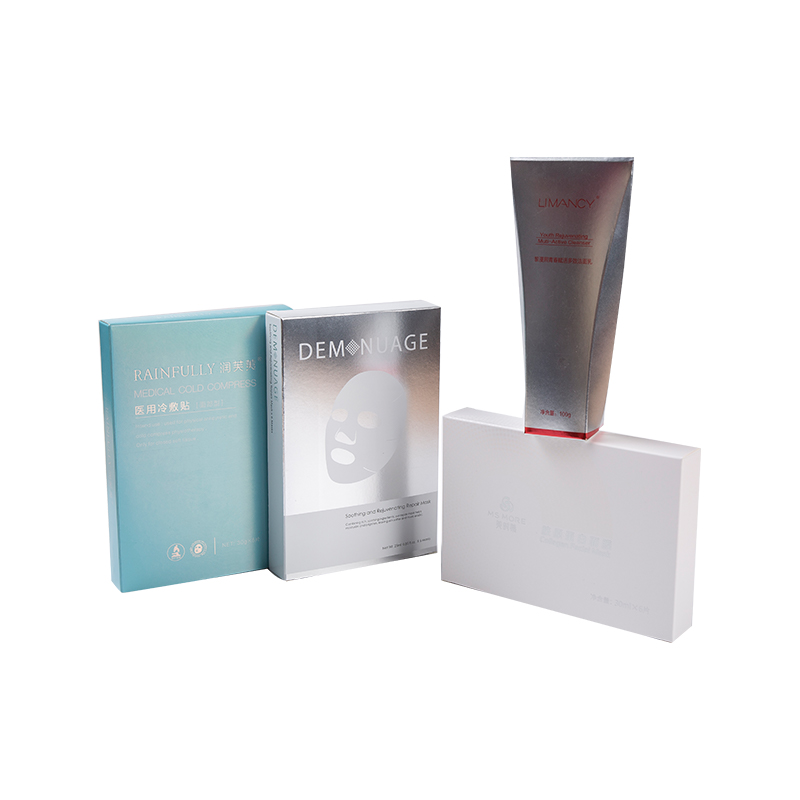 Wholesale Silver Cardboard Nano UV Printing Mask Paper Packaging Carton SupplierSuZhou New Century Is China Wholesale Silver Cardboard Nano UV Printing Mask Paper Packaging Carton Suppliers, Silver Cardboard Nano UV P...View Product →
Structural quality is verified by measurement and load testing, not by visual inspection, because a box can look flawless and still collapse on the retail floor.
Die-cut tolerance is the first structural checkpoint. Folding cartons are commonly held to +/- 0.5 mm on critical dimensions; display-critical features such as locking slots, window apertures, and hanging holes are often held to +/- 0.3 mm. Corrugated boxes allow +/- 1 mm, but interlocking panels and push-out tabs must still match the approved sample.
| Test parameter | Typical retail acceptance | Reference method |
| Die-cut dimensions | +/- 0.5 mm (folding carton) | Digital caliper |
| Crease score depth | Matches approved sample | Die-check gauge |
| Edge crush (ECT) | 5.5 to 7.5 kN/m by flute grade | ISO 3037 |
| Box compression (BCT) | Meets declared load | ISO 12048 |
| Glue joint strength | Fiber tear before separation | Manual pull test |
Compression requirements depend on pallet height and shipment distance, so they belong in the written standard rather than in a verbal agreement. The calculation framework is covered in our guide to ECT, HSC, and BCT in corrugated boxes.
Retail-ready packaging (RRP) standards require a box to move from shipping carton to shelf without rework, and that requirement adds quality criteria beyond print and strength.
A shelf-ready carton must open without tearing the printed surface, fold into a stable display without tools, stack without slipping, and present the brand face correctly on every visible panel. The quality verification focuses on folding time, stack stability at full load, and panel alignment so the display does not lean forward under product weight. Supermarket-ready direct display boxes are held to this standard throughout the run, because a display unit shares the sales floor rather than the warehouse aisle.
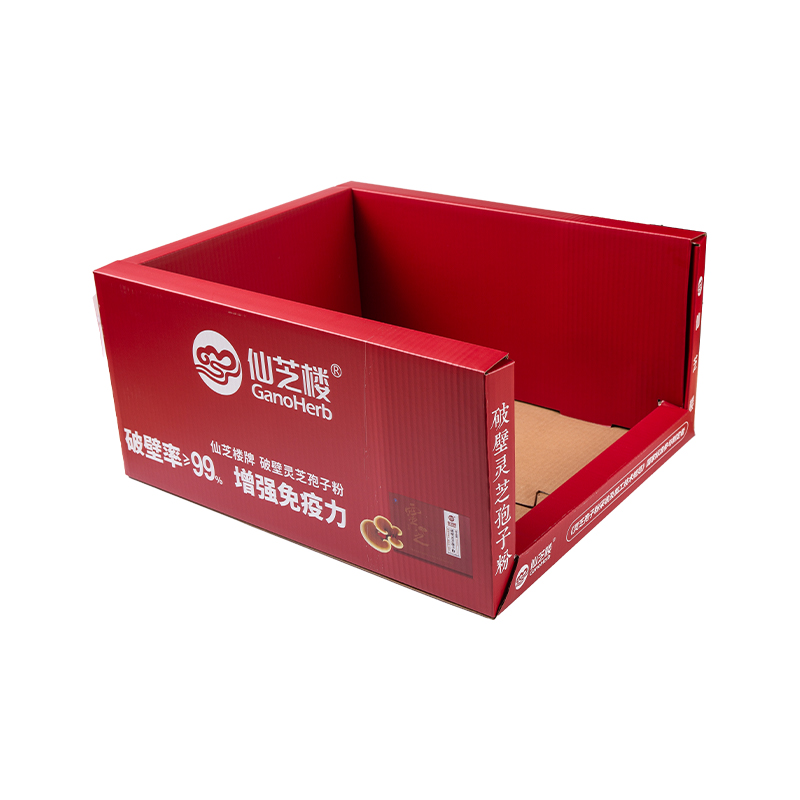 Wholesale Supermarket Display Printing Packaging Boxes Suppliers, Factory, CompaAs China Supermarket Display Printing Packaging Boxes Suppliers Factory And Company, Suzhou New Century Color Printing Co., Ltd Professio...View Product →
The supply chain definition is simple and strict: retail-ready packaging reaches the shelf with zero repackaging labor.
A packaging supplier audit should verify quality through records, measurements, and sample testing, not through a showroom of prototypes.
Every retail box manufacturer with a working quality system keeps measured evidence for each production batch. Run the following checks during an audit:
A supplier such as SuZhou New Century Color Printing Co., Ltd. runs both folding carton and corrugated lines under one quality system, which matters when a retail program combines a shelf-ready box with a transport container. For e-commerce retail brands, the shipping box belongs to the same standard: a corrugated e-commerce mailer box with weak ECT or loose dimensions raises the per-shipment cost and the damage rate at the same time.
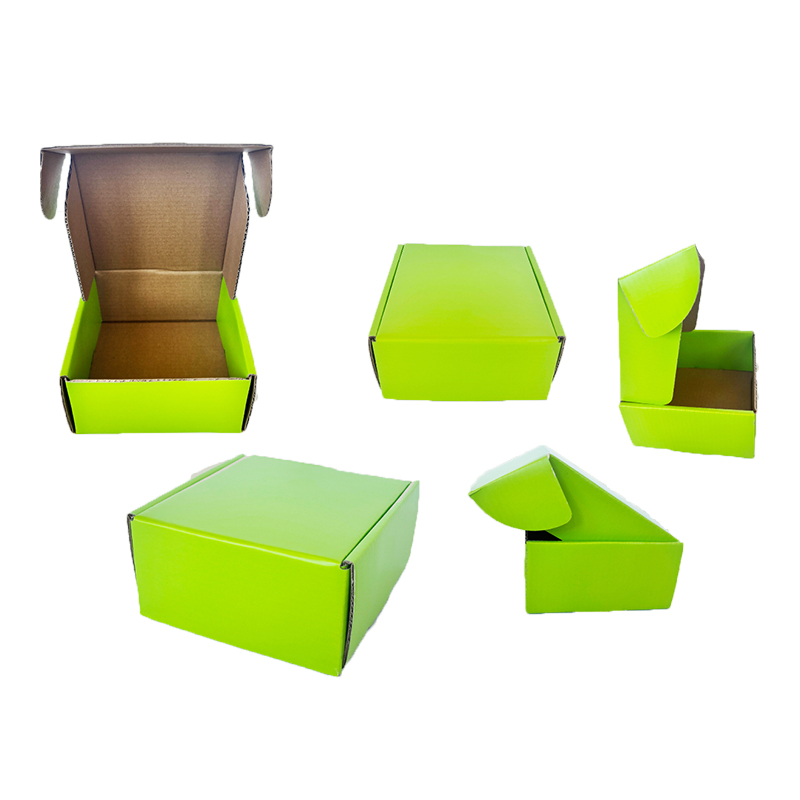 Wholesale E-Commerce Mailer Printing Corrugated Airplane Box Aircraft Shipping PSuZhou New Century Is China Wholesale E-Commerce Mailer Printing Corrugated Airplane Box Aircraft Shipping Paper Box Suppliers, E-Commerc...View Product →
Material and structural standards matter most, because a box that fails on the shelf costs more than a box that fails in print. Structural failures damage products, interrupt the supply chain, and generate chargebacks, while appearance issues remain visible but lower-risk problems.
For standard folding cartons, +/- 0.5 mm is the typical acceptance limit on critical dimensions. Display-critical features such as locking slots, window apertures, and hanging holes are often held to +/- 0.3 mm to guarantee stable assembly and alignment on the shelf.
Color quality is verified by spectrophotometer measurement against the approved proof. The accepted deviation is typically Delta E of 2.0 or below; readings above 3.0 normally trigger a shipment hold, a full inspection, and a rework decision.
Yes. Retailers increasingly request plastic-free materials, water-based coatings, and certified board sources. Because a switch to water-based coatings changes rub resistance and surface behavior, any approved material change must be retested before it enters production.
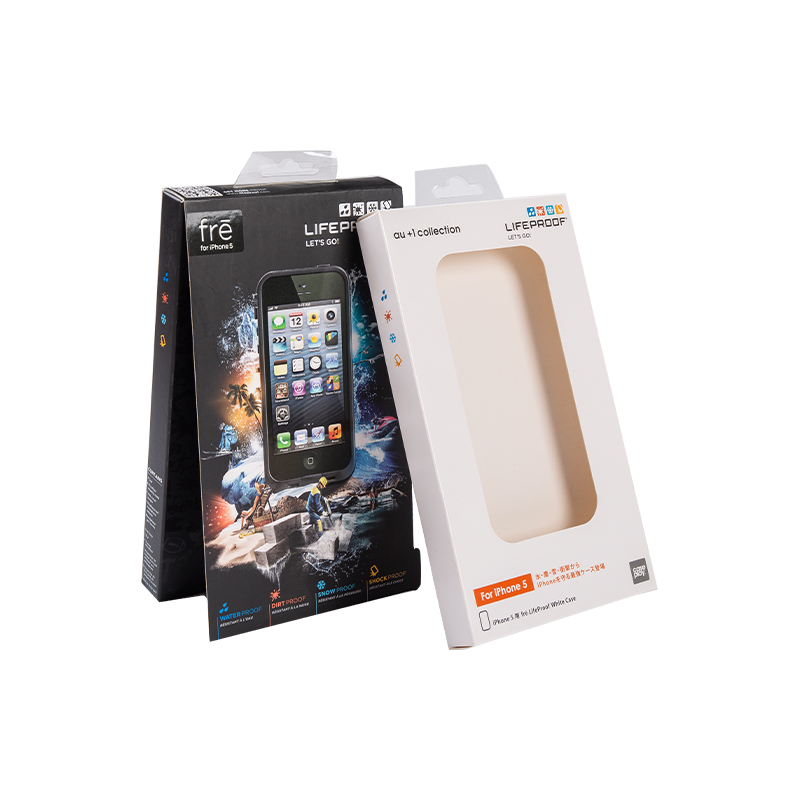
Printed PP retail product packaging boxes are a high-quality... View More
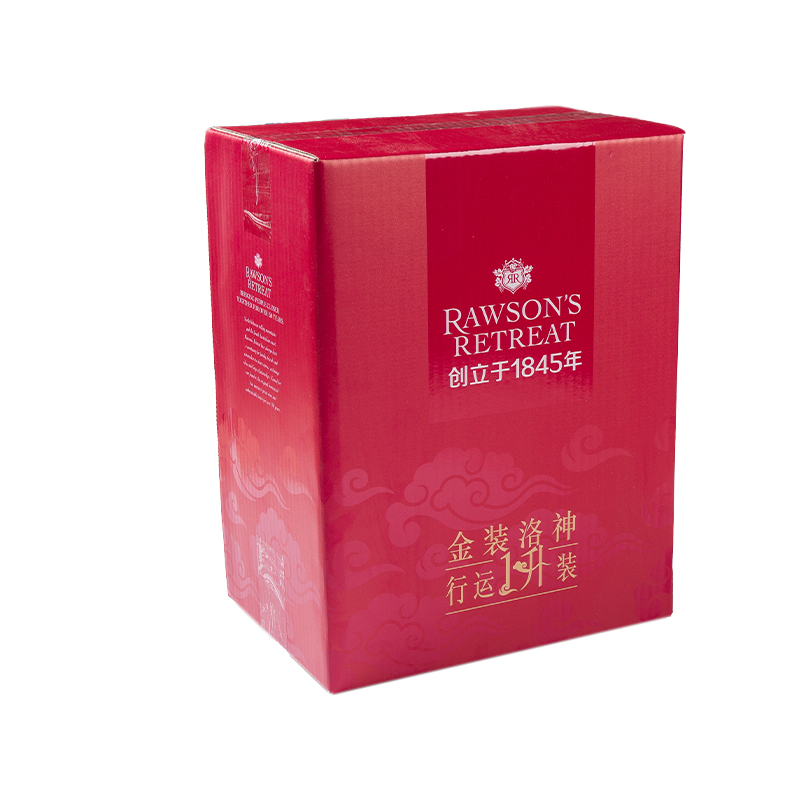
Our printed coloured 6 bottles cardboard wine boxes are engi... View More
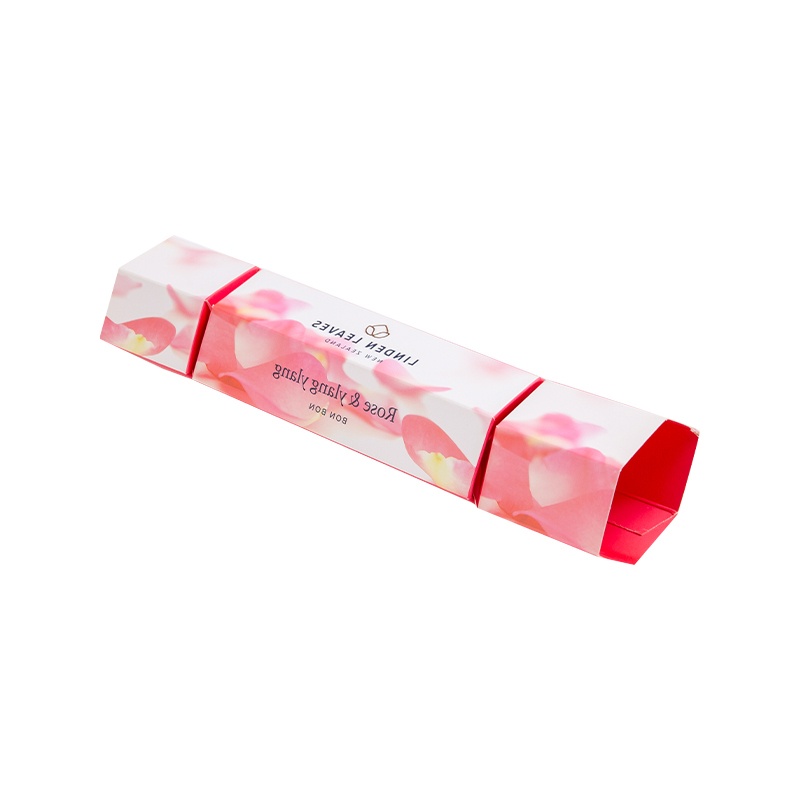
Printed Colorful Candy Packaging Carton Box is a high-qualit... View More
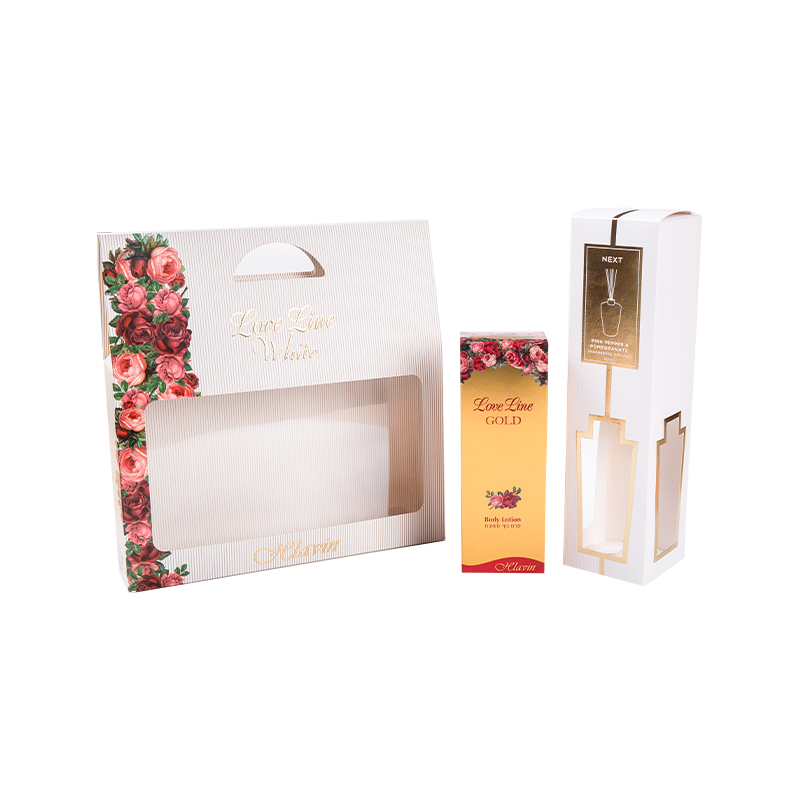
Specialty Embossed Paper Aroma Carton is a beautifully craft... View More
No. 88, Zhiying Street, High-tech Zone, Suzhou City, Jiangsu Province, China.
+(86)-512-6575-0991
+(86)-13776090470

Copyright © SuZhou New Century Color Printing Co., Ltd. Custom Printed Colored Corrugated Boxes





 Français
 Español
 عربى
عربى