
Article Directory
A consumer electronics brand once chose its custom packaging box supplier purely on unit price. The boxes landed three weeks late, with visible dot gain on every logo and creases that cracked during folding. Emergency reprint and air freight cost roughly four times the amount the company had saved in the negotiation. The same pattern repeats across industries because buyers compare quotes instead of production systems.
Evaluate the factory's in-house process range first, because every outsourced step adds lead time, cost variance, and another point of failure. SuZhou New Century Color Printing Co., Ltd. runs offset and flexographic printing alongside UV, nano UV, reverse UV, hot stamping, film lamination, and window-patching processes, which lets a single order move from paper reel to finished carton without multiple hand-offs. Buyers should map the processes their product actually needs and confirm which ones the candidate factory operates on site.
Select substrates by the product's weight, fragility, surface finish, and retail context, not by the lowest material quote. The material decision also drives structural choices: window patches, hanging holes, crash-lock bottoms, tear strips, and display-friendly folding patterns.
| Substrate | Common basis weight | Typical applications |
| White card | 250-450 gsm | Cosmetics, food, consumer goods, electronics |
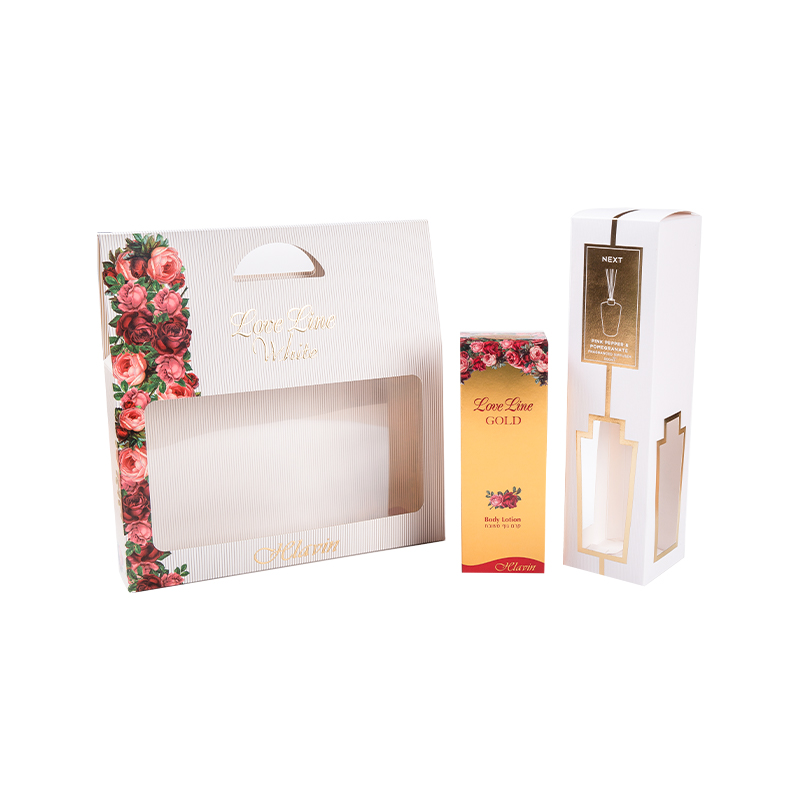
| Silver or gold card | 250-400 gsm | Premium cosmetics, aromatherapy, gift boxes |
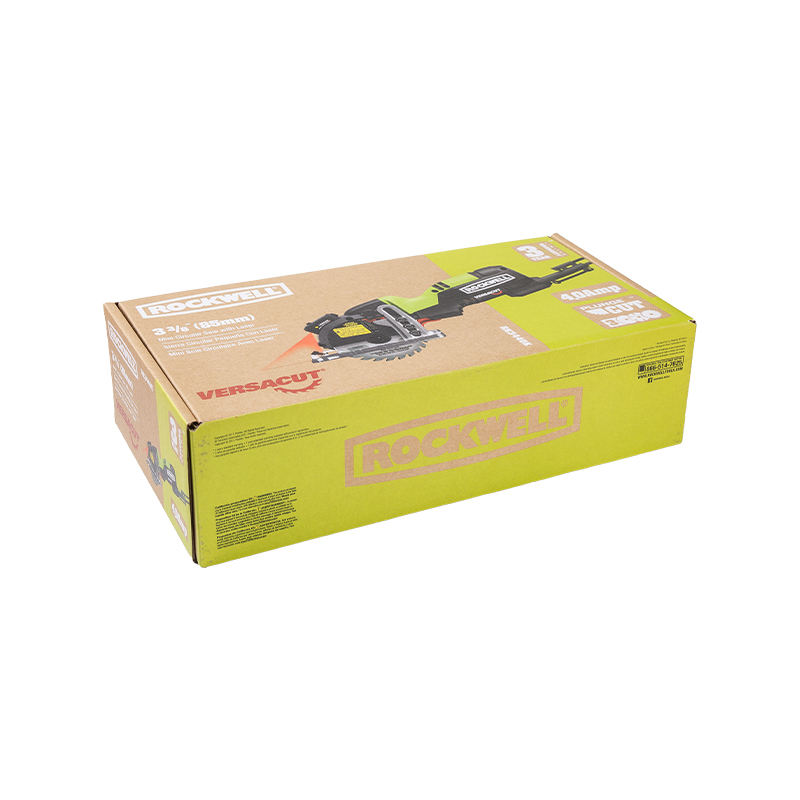
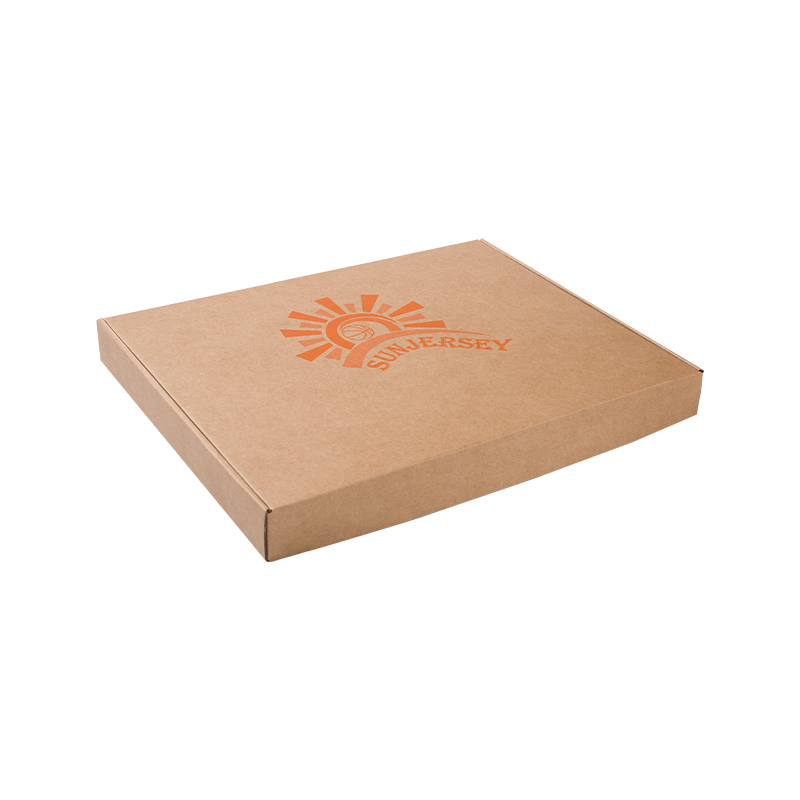
| Corrugated board | Single or double wall | Shipping cases, power tools, household appliances |
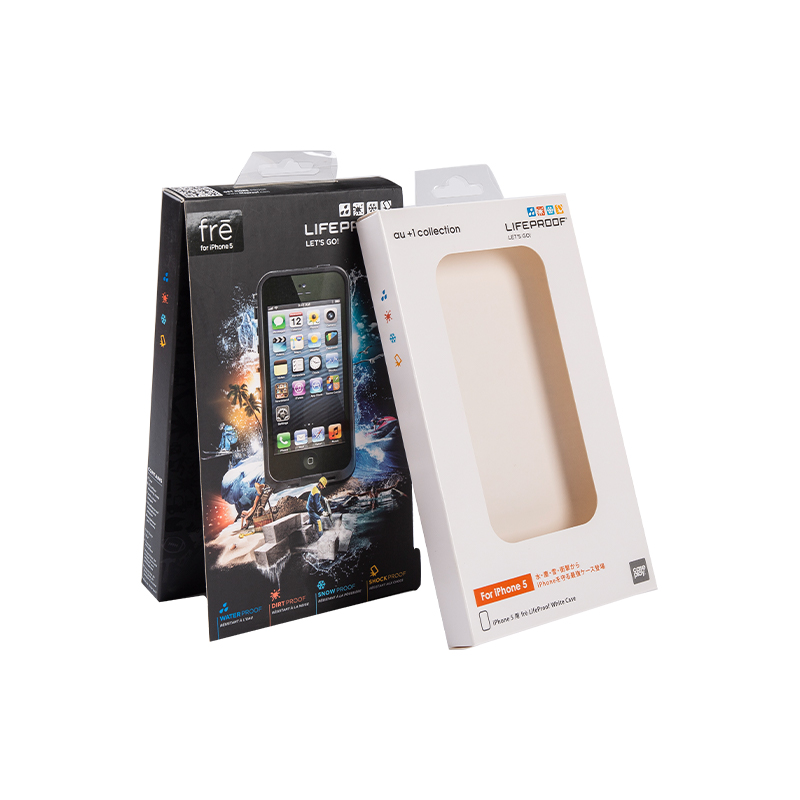
| PET film layer | 0.2-0.5 mm | Window cartons, visible retail display |
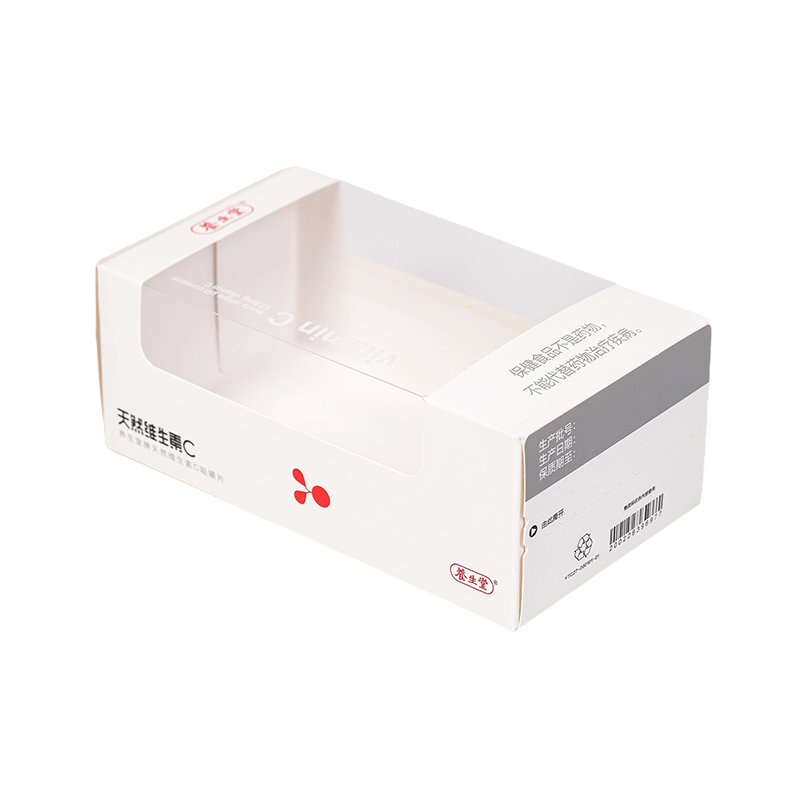 350g White Card Carton with Transparent Window and Security CodeThis carton combines a clear product view with anti-counterfeiting features, making it suitable for food, medicine, or cosmetics packaging where authenticity and tamper evidence matter.View Product →
A concrete example from this plant is the 350 g white card carton for daily necessities, available with a transparent PET window and a printed security code. The same facility can shift to a silver card nano UV carton when a beauty brand needs a higher tactile finish. Ask the manufacturer to recommend a substrate based on the distribution channel: a box that survives courier sorting is not necessarily the same box that maximizes shelf appeal.
For retail sell-through, the same logic applies to display packaging: a supermarket direct display box turns a shipper into a shelf-ready unit and removes the labor cost of restocking.
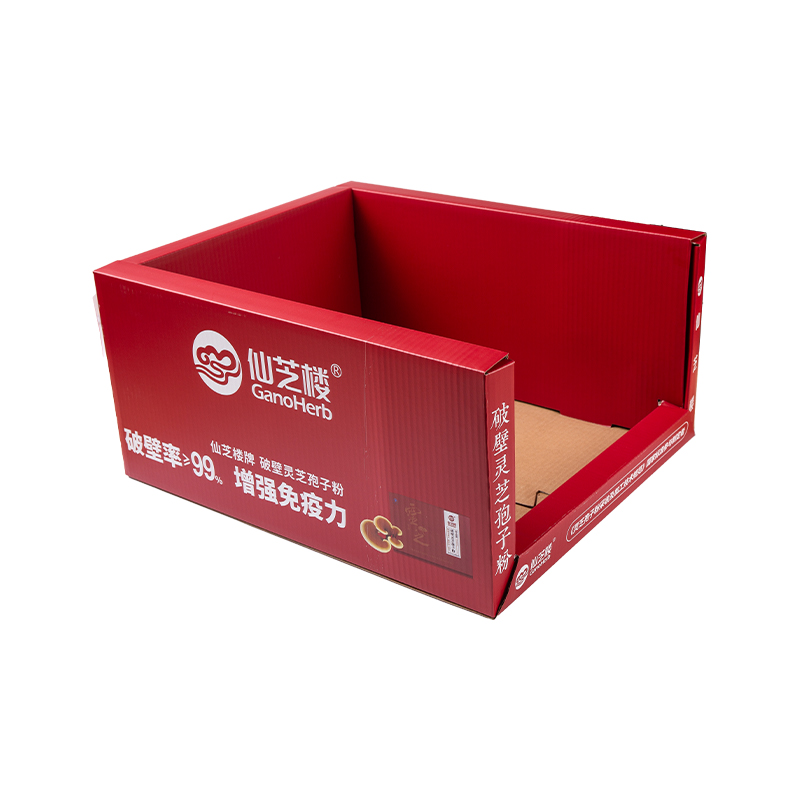 Supermarket Direct Display Colored Box for Shelf-Ready MerchandisingThis display box turns shippers into shelf-ready units, saving restocking labor and improving product visibility. Its sturdy construction supports stable stacking in busy retail environments.View Product →
Print consistency across batches is the most visible sign of a disciplined manufacturer. Color management should start at prepress with calibrated proofs, continue through press-side density monitoring, and conclude with a signed color target before mass production begins.
Equipment choices matter here. SuZhou New Century Color Printing operates a German-made KBA seven-color offset press and a four-color water-based printing and slotting line, which allows gloss, matte, UV, and metallic finishes to be applied in controlled sequences rather than through fragile secondary operations.
For a deeper look at what drives color consistency, review this guide on printing techniques and color consistency in printed paper cartons.
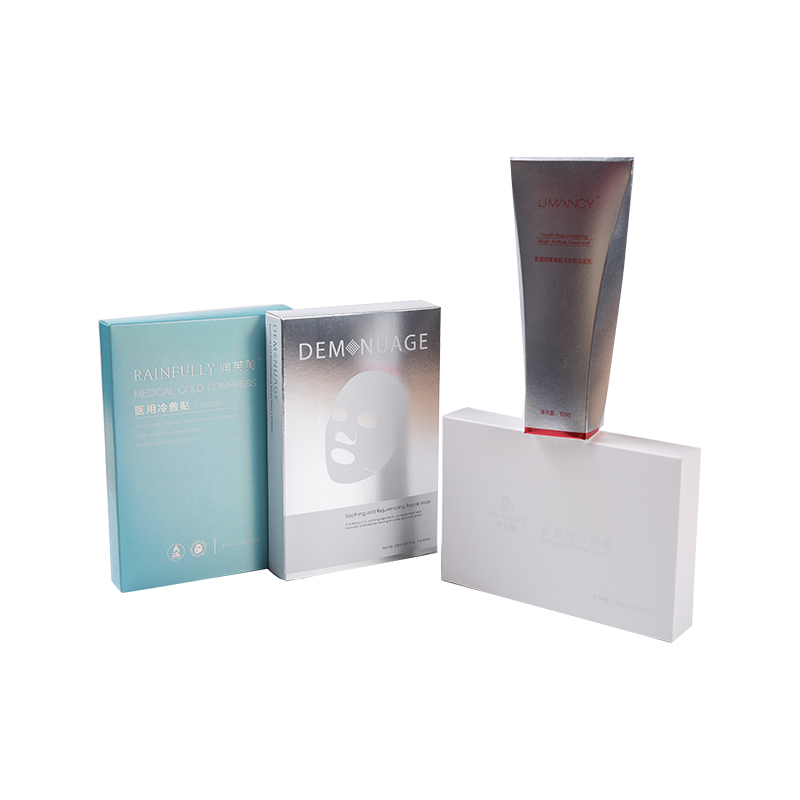 Silver Cardboard Nano UV Printed Carton for Premium Mask PackagingThis carton uses nano UV printing on silver board for sharp, scratch-resistant graphics, enhancing the high-end feel and brand image of mask products while protecting them during distribution.View Product →
The factory's location determines how quickly samples move, how flexible emergency reorders are, and what freight options you can actually use. SuZhou New Century Color Printing sits in the Suzhou National High-Tech Industrial Development Zone, about 90 km from Shanghai Hongqiao International Airport and 130 km from Shanghai Pudong International Airport, with four east China ports at 60 to 100 km.
Proximity to transport infrastructure converts into inventory flexibility: shorter transit legs allow later order cutoff times, smaller safety stocks, and a real option to switch from sea to air when a promotion date moves. Buyers should ask any shortlisted manufacturer for the actual driving distance to the nearest container port and airport, then factor that into their sourcing plan.
Calculate the fully landed cost per usable box: materials, tooling, proofs, freight, defects, reprints, and the cost of late arrival. In packaged goods procurement, the lowest quote rarely wins once these components are totaled.
A manufacturer's track record is testable evidence. SuZhou New Century Color Printing was named the 2024 Outstanding Supplier by Stanley Black & Decker, received a Best Quality Improvement Award, and won a 2024 Science and Technology Innovation Award; it also serves as a council member of the Jiangsu Printing Industry Association. Records like these indicate that quality procedures survive contact with real production schedules.
Buyers should also confirm the manufacturer's export readiness. A multi-language website and documentation in English, French, Spanish, and Arabic indicate that the plant regularly serves overseas clients, which shortens the communication loop when artwork files or inspection reports need clarification. Review the manufacturer's website to compare structures and materials before committing to a supplier.
Confirm the manufacturer's in-house process range, substrate options, sampling lead time, color management method, minimum order quantity, and defect handling policy. Request a physical proof produced under the same press and substrate conditions as the final run.
Plan on 15 to 25 working days from artwork approval to shipment for a standard folding carton with one or two finishing steps, including sampling and die-cutting. Complex structures with window patching or multi-station finishing can extend the schedule.
Require a production sample made on the exact press and substrate for the run, compare it against a signed proof under standard lighting, measure the color difference with a spectrophotometer, and agree on acceptability thresholds before approving production.
The largest risks are artwork changes after approval, substrate availability at the mill, and port congestion at the destination. A manufacturer located near multiple ports and international airports reduces the impact of each risk.
Our custom designed home appliance packaging cartons provide... View More
Customizable Shapes Corrugated Paper Display Boxes & Car... View More
Specialty Embossed Paper Aroma Carton is a beautifully craft... View More
Printed PP retail product packaging boxes are a high-quality... View More
No. 88, Zhiying Street, High-tech Zone, Suzhou City, Jiangsu Province, China.
+(86)-512-6575-0991
+(86)-13776090470

Copyright © SuZhou New Century Color Printing Co., Ltd. Custom Printed Colored Corrugated Boxes





 Français
 Español
 عربى